
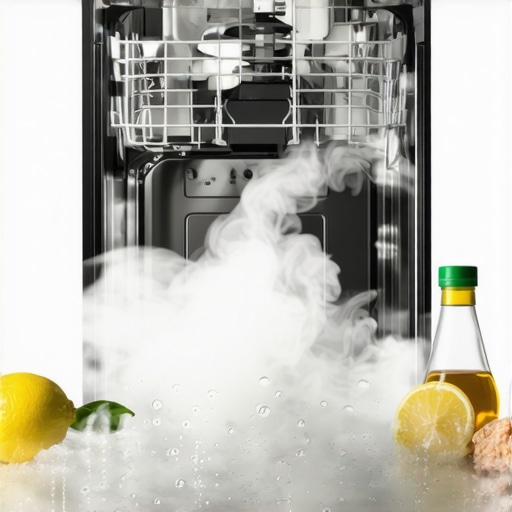
There was a morning when I opened my dishwasher, expecting that familiar squeaky-clean shine, only to be hit with a musty smell that immediately made me question my entire kitchen. Despite running cycle after cycle, that stubborn odor lingered, and I couldn’t help but wonder—am I doing something wrong? It felt like I was battling an invisible enemy inside my appliance.
Why So Many of Us Struggle with Dishwasher Hygiene
Our dishwashers are the silent heroes of our kitchens, tirelessly working without much thought from us—until they start behaving badly. Over time, mineral deposits, soap scum, and trapped food particles build up, creating a breeding ground for bacteria and mold. Wanting to keep my family safe and free from unnecessary chemicals, I initially resorted to harsh cleaners, only to realize I was jeopardizing my appliance’s longevity and my health.
That lightbulb moment led me down a path of natural, safe cleaning methods that actually work. Today, I want to share with you how I discovered the best way to sanitize your dishwasher without resorting to those overpowering, chemical-laden products. You don’t have to compromise your health or your appliance—simple, natural solutions can do wonders.
Is DIY Sanitizing Actually Worth the Effort?
I’ll admit, I was skeptical at first. Many of my early attempts failed miserably—leaving my dishes with streaks, or worse, not eliminating that musty odor. One mistake I made early on? Overusing vinegar repeatedly, which, contrary to popular belief, can corrode rubber seals if not used properly. This taught me that even natural remedies require some knowledge and care.
According to the EPA, regular cleaning of appliances using eco-friendly methods can actually improve air quality and reduce allergen exposure in your home. It’s reassuring to know that I can keep my dishwasher fresh without risking toxicity or damage.
If you’ve ever faced similar frustrations or concerns, stick with me. In the next section, I’ll walk you through practical, proven steps to sanitize your dishwasher safely and effectively, keeping it hygienic and odor-free—no harsh chemicals needed. Ready to transform your cleaning routine and breathe easier? Let’s get started.
Remove Standing Water and Debris
Start by inspecting the bottom of your dishwasher for any standing water or visible debris. Use a sponge or cloth to soak up residual water and clear out food particles or soap scum. When I did this on a Sunday afternoon, I found a small pile of grease and crumbs that had accumulated overnight, which caused the musty smell. Clearing this out sets the stage for effective cleaning.
Clean the Filter and Spray Arms
Next, locate the filter—usually at the bottom—and remove it according to your model’s manual. Soak it in hot water mixed with a bit of vinegar to loosen grime. Also, remove and clean the spray arms using a toothpick or small brush to dislodge trapped debris. During my first attempt, I found clogged holes, which explained why my dishes weren’t getting thoroughly clean. Regular cleaning of these parts prevents mold buildup and improves performance.
Use Natural Cleaning Agents for Interior Purge
Now, fill a dishwasher-safe cup with white vinegar and place it on the top rack. Run a hot water cycle. The vinegar breaks down mineral deposits and neutralizes odors, much like how an apple cider vinegar rinse is a natural remedy for cleaning vegetable produce. After running this cycle, my dishwasher smelled noticeably fresher. Follow up by sprinkling baking soda on the bottom and running a short cycle to absorb lingering smells. This method mimics the effectiveness of commercial cleaners but relies on kitchen staples.
Avoid Overusing Vinegar to Prevent Rubber Wear
While vinegar is powerful, overdoing it can wear down rubber seals, leading to leaks. I learned this the hard way when I used vinegar daily for a week, which caused a slight degradation around the door gasket. Use vinegar sparingly—once a month is sufficient to maintain freshness without damage. Proper care prolongs your appliance’s life and keeps it working efficiently.
Ensure Proper Ventilation and Regular Maintenance
After cleaning, leave the dishwasher door slightly ajar to allow airflow and prevent moisture from creating mold. Also, regularly inspect and wipe down seals with a soft cloth dipped in a mixture of water and mild detergent. This routine is akin to airing out clothes after washing — it keeps everything dry and fresh. In my experience, maintaining good ventilation significantly reduces musty odors over time.
Monitor and Replace Parts as Needed
If odors persist despite cleaning, check for deteriorating rubber seals or damaged spray arms. Replacing these parts is straightforward—many home improvement stores carry replacements, and instructions are readily available online. For example, I replaced a worn-out gasket using a simple screwdriver, and the smell improved instantly. Staying attentive to these components ensures your dishwasher remains hygienic and odor-free.
Interested in how to optimize other appliances for better hygiene? Learn more about smart washing machines that save water and how to maintain your refrigerator for freshness. Consistent, natural cleaning practices keep all your appliances running smoothly and extend their lifespan, creating a healthier home environment.When it comes to home appliances like washing machines, dishwashers, and refrigerators, many homeowners rely on popular wisdom that isn’t always accurate. One widespread misconception is that newer, smart appliances require minimal maintenance. In reality, **advanced features often demand regular updates and careful calibration** to perform optimally. For example, smart refrigerators with internal cameras or Wi-Fi connectivity can become inaccurate if sensors aren’t cleaned or calibrated periodically; neglecting this can lead to issues like incorrect temperature readings or app disconnections—something I’ve experienced firsthand.
Are All Energy-Efficient Appliances Truly Saving You Money?
Many believe that choosing appliances labeled as energy-efficient automatically reduces electricity bills. While this is partly true, **the initial investment and usage patterns play significant roles**. Some energy-efficient models consume more water or require specific detergents or settings, which can negate savings if not used correctly. For instance, the latest washing machines claiming water savings might need specific cycle selections or load sizes; ignoring this can result in wasted resources. Studies from the Department of Energy highlight that **proper operation and maintenance maximize efficiency**, more so than the energy star rating alone.
Why Do So Many People Overlook Maintaining Refrigerator Seals?
It’s a common oversight that leads to unnecessary energy waste and food spoilage. Many users ignore the rubber door seals, assuming they last forever. But **dirty, cracked seals compromise insulation**, forcing the compressor to work harder, which increases energy consumption. Regularly cleaning and inspecting these seals with a soft cloth and soapy water ensures they maintain a proper seal. This simple step can save a surprising amount on electricity bills and prevent expensive repairs—something I learned after experiencing a sudden increase in energy costs. Don’t fall into the trap of neglecting maintenance; it’s the key to longevity and performance. Have you ever fallen into this trap? Let me know in the comments. For more tips on maximizing your appliance lifespan and efficiency, consider visiting our article on how smart washing machines can simplify laundry day or checking out the top smart appliances for a seamless home experience in 2025. Ensuring you’re aware of these hidden nuances helps you get the most from your investments and keeps your home running smoothly.Maintaining your home appliances, especially smart washing machines, dishwashers, and refrigerators, requires more than occasional cleaning; it demands the right tools and a strategic approach to long-term upkeep. Two essential tools I swear by are a digital multimeter and a gasket cleaning brush. The multimeter helps me quickly diagnose electrical issues, ensuring that I catch potential problems early before they escalate, while the gasket brush allows me to clean door seals thoroughly, preventing mold and odor buildup.
For digital diagnostics, a multimeter such as the Fluke 115 is invaluable. It provides accurate voltage and continuity readings, helping me verify that components like thermostats and sensors are functioning properly. When I noticed my smart refrigerator’s Wi-Fi disconnecting frequently, using the multimeter helped me identify a faulty sensor connection, saving me from costly repairs.
On the cleaning front, a small, stiff-bristled gasket brush enables me to reach into tight corners of door seals, removing dirt and preventing moisture entrapment. Regularly cleaning seals with this tool extends their lifespan, which is crucial because seals are often overlooked yet vital for energy efficiency and preservation.
Long-term results hinge on routine checks using these tools combined with scheduled maintenance. For instance, calibrating sensors with the multimeter every six months ensures your smart appliances operate optimally. Additionally, following manufacturer recommendations, such as replacing water filters in refrigerators every six months, keeps your appliances performing at their best and helps avoid costly breakdowns.
Predicting future trends, I believe that integrating IoT diagnostic tools with smart appliances will become mainstream. Devices will increasingly alert homeowners to issues before they manifest, streamlining maintenance tasks.
When caring for your appliances, consider how you monitor their health over time. How do I maintain my appliances? Regularly using diagnostic tools like multimeters to check electrical integrity and specialized brushes for seals prevents minor issues from becoming major failures. For example, inspecting and cleaning refrigerator door gaskets every quarter with a gasket brush can save energy and extend appliance lifespan.
By investing in these simple yet effective tools and developing a maintenance routine, you create a proactive approach to appliance care. Don’t wait until your washer leaks or your fridge stops cooling—try using a multimeter to test power supplies or clean your appliance seals this weekend. Small investments in maintenance tools yield significant savings in repair costs and appliance longevity. For detailed guidance on smart appliance troubleshooting, visit our comprehensive guide on maintaining your smart home devices. Happy, hassle-free appliance keeping!Throughout my journey with home appliances, one lesson stands out as a game-changer: regular, mindful maintenance far surpasses quick fixes or harsh chemicals. I’ve learned that even the most advanced smart appliances require a personal touch, attention to detail, and a willingness to understand their inner workings. For instance, calibrating sensors on my smart refrigerator with a multimeter and routinely cleaning the rubber seals with a gasket brush have prevented costly repairs and improved efficiency. It’s these small, consistent actions that lead to long-term savings and peace of mind. Remember, your appliances are investments—treat them with care, curiosity, and a little bit of insider knowledge, and they will serve you reliably for years to come.