
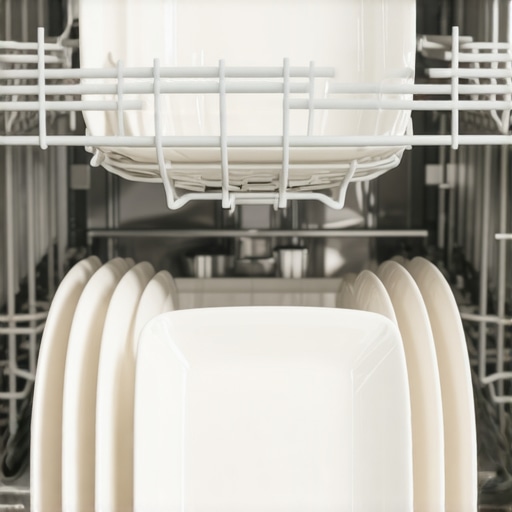
It was a typical evening when I realized I had spent years rinsing every plate, fork, and glass before loading them into my dishwasher — only to wake up to a cloudy deposit on my favorite coffee mug and a stubborn film on my stemware. That sinking feeling of wasted effort hit me hard. I had this deep-seated belief that rinsing was essential for spotless dishes. But everything changed when I read a startling fact: many modern dishwashers are designed to handle even heavily soiled dishes without pre-rinsing, saving time, water, and energy—something I desperately needed to hear.
Why We Believe Rinsing Is Necessary—and Why We Might Be Wrong
If you’re like me, you’ve probably grown up thinking that the dirtier your dishes, the more you need to rinse. It’s almost instinctual. But here’s the truth that might surprise you: rinsing can actually do more harm than good, especially with newer appliances. My early mistake was thinking I was protecting my dishwasher by pre-cleaning, but I was accidentally preventing it from doing its job effectively. Modern dishwashers, especially those with advanced sensors and powerful spray arms, are designed to thrive with minimal pre-washing. By rinsing, I was washing away the food particles that trigger the machine’s cleaning programs, causing unnecessary re-washing cycles and wasting water. Over time, I found that my dishes came out just as clean—and sometimes cleaner—when I let the dishwasher do its thing without a pre-rinse. So, what does this mean for you? Well, it’s about trusting your appliance and understanding its capabilities. Less rinsing means faster loading, less water used, and better energy efficiency. Plus, it’s kinder to your dishwasher’s components, reducing wear and tear. Curious if your appliance supports this? Check your dishwasher’s features and compatibility with smart technology for optimal performance.
Is Rinsing Actually Worth the Hype?
Now, I know what you might be thinking: “Isn’t it gross to skip rinsing? Won’t my dishes be disgusting?” That was my concern too. But let me share my own slip-up early on: I ignored the recommended user guidelines and relied solely on intuition, which led to incomplete cleaning. It wasn’t until after I eliminated pre-rinsing that I saw the real potential of my newer dishwasher models, especially ones equipped with AI-driven sensors and optimized spray patterns, like those highlighted in the latest innovations. By refusing to rinse, I learned that my dishwasher could handle a wide range of soil levels and still produce sparkling results. So, before you jump to conclusions, consider the type of dishes you’re loading, your appliance’s features, and whether you’re unintentionally sabotaging its performance. Ready to see how unclogging the rinse cycle can transform your dishwashing routine? Let’s dive into what you need to know about making this simple change.
Skip the Pre-Rinse Step and Let Your Dishwasher Do the Heavy Lifting
Start by sorting your dishes into categories—plates, glasses, utensils—so you can load efficiently. Remove large food scraps with a quick scrape, especially from stubborn leftovers like cheese or sauce. Don’t rinse these away; instead, load them directly into the dishwasher, making sure they are positioned for maximum water contact.
Position Dishes Correctly to Maximize Cleaning Power
Place heavily soiled items facing the spray arms, and avoid overloading your dishwasher to ensure water can circulate freely. Use the top rack for glasses and cups, and the lower rack for plates and pots. For tricky spots, like baked-on residue, soak them briefly or use an appropriate pre-treatment if your dishwasher’s sensors support targeted cleaning. During my own experience, I noticed that the dishes came out spotless without pre-rinsing when I adjusted the loading technique and used the correct cycle settings.
Adjust Settings and Cycles for Optimal Results
Select a heavy-duty cycle for heavily soiled loads, which typically includes higher water temperatures and longer wash times. Modern dishwashers with AI technology can automatically detect soil levels and adjust accordingly—check if yours has this feature here. Ensure your machine’s sensor calibration is accurate; if not, consider recalibrating via your user manual instructions or professional help more info. This calibration helps sensors distinguish between lightly and heavily soiled dishes, optimizing water and energy use.
My first attempt involved running a standard cycle with mixed loads; results were disappointing, with some glasses cloudy. Then I switched to a sensor-based cycle and loaded dishes more carefully, which dramatically improved cleaning outcomes. Consistency and proper loading are key factors in eliminating the need for pre-rinsing.
Tackle Stubborn Residues Without Rinsing
For hard, baked-on residues, pre-soaking is more effective than rinsing. Fill a container or the sink with warm water and a small amount of dish soap, then submerge the problematic items for 10-15 minutes. After soaking, load them carefully, ensuring the spray arms can reach all surfaces. During one mess-up, I tried to load a greasy skillet directly, but it came out less clean than after soaking—highlighting the importance of preparation over pre-rinsing. Remember, if your dishwasher struggles with certain stains, a targeted pre-treatment or using a cycle with increased spray pressure can help improve results.
Incorporate these steps, and you’ll find that your dishes become cleaner, your water bills decrease, and your appliance’s lifespan extends, all without the hassle of pre-rinsing. For even more insights on making your home appliances smarter and more efficient, visit this guide.Many homeowners operate their appliances under assumptions that seem logical but can be misleading. A common myth is that higher wattage always translates to better performance, yet expert analyses reveal that efficiency and smart technology integration are more critical than raw power—for instance, some energy-efficient washing machines outperform traditional high-wattage models by customizing cycles based on load complexity, as highlighted in recent studies on appliance optimization here. Another overlooked nuance concerns refrigerator humidity controls; many assume setting humidity to maximum ensures freshness, but advanced models with sensor-driven controls maintain optimal conditions automatically, preventing excess moisture that can accelerate spoilage here. A trap that catches many smart appliance users involves neglecting firmware updates—outdated software can lead to security vulnerabilities and degraded feature performance, as noted by cybersecurity experts in smart device reviews. Additionally, misconceptions about load capacity often cause users to overstuff dishwashers or washers, resulting in poor cleaning or potential damage; understanding your appliance’s maximum load specifications can prevent these issues. Have you ever fallen into this trap? Let me know in the comments. From selecting appliances with adaptive cycle technology to maintaining proper care routines, understanding these subtle details can significantly enhance your appliance experience. For comprehensive tips and latest trends, explore our ultimate guide to smart home appliances, ensuring your investments are future-proof. Remember, mastering these nuances isn’t just about better performance—it’s about smarter, more sustainable living.
Investing in the Right Maintenance Tools
Keeping your appliances in top shape demands more than just regular use—it requires the right set of tools. I personally rely on a set of high-precision screwdrivers and a microfiber cleaning cloth for delicate parts, which makes routine maintenance safer and more effective. An LED inspection light is invaluable for spotting hidden grease buildup or loose wires inside your appliances, ensuring that no issue goes unnoticed until it becomes costly. Additionally, a digital multimeter helps me quickly diagnose electrical issues without calling in a technician, saving both time and money. For filters and hard-to-reach areas, I recommend a flexible, pipe-cleaning brush, which I use to scrub out debris from dishwasher spray arms and refrigerator coils—these are often overlooked yet critical components for optimal performance. Incorporating these tools into your routine prolongs the lifespan of your appliances and prevents minor issues from escalating to major repairs.
Adopt Software for Smart Appliance Maintenance
Embracing technology extends beyond traditional tools. I utilize dedicated apps provided by appliance manufacturers to monitor performance and receive maintenance alerts—these apps often notify me when filters need replacing or if system diagnostics reveal potential problems. For example, the firmware update alerts ensure my devices run with the latest features and security patches, fostering reliability over time. Cloud-based scheduling tools also help me set reminders for tasks like cleaning filters or recalibrating sensors, which is crucial for appliances with adaptive features.
Long-Term Benefits of Regular Maintenance
Consistent care yields remarkable results over years. Well-maintained appliances operate more efficiently, using less energy and water—translating into lower utility bills. Moreover, proactive maintenance minimizes unexpected breakdowns, often costing hundreds in emergency repairs. A study highlighted in the future trends report predicts that automation and IoT-enabled diagnostics will become standard, making maintenance even more straightforward and predictive, for both refrigerators and washing machines. This evolution means staying ahead with regular checkups and software updates becomes essential to capitalize on these advancements.
How do I maintain appliances over time for longevity?
The key lies in establishing a routine: weekly visual inspections, monthly filter cleaning, and quarterly calibration of sensors or settings. Keep a maintenance log to track when parts like door seals or filters are last replaced—this way, you prevent neglect from turning minor wear into costly failures. Additionally, scheduling periodic professional inspections can catch issues that are hard to detect internally. For instance, a professional cleaning of refrigerator coils dramatically improves efficiency, as demonstrated in this detailed guide. With the right tools and a proactive mindset, maintaining your appliances ensures they serve you reliably for years to come. Try setting up a monthly maintenance checklist now and see the difference it makes in appliance performance!Over the years, I learned that trusting modern dishwasher technology—and ditching pre-rinsing—can save time, water, and energy while still delivering spotless results. Embracing this shift meant I had to confront my ingrained beliefs about cleanliness, often feeling uncertain at first but ultimately discovering that less is more in the realm of home appliances. The key was understanding my dishwasher’s capabilities, adjusting loading techniques, and selecting cycles smarter than ever before. Now, I view my kitchen routine through a new lens—focused on trusting my appliances and investing in routine maintenance to ensure they serve me well for years to come. This journey taught me that patience and a willingness to challenge old habits are essential for making the most of smart technology in everyday life. So, take that leap, experiment with your dishwasher settings, and enjoy the cleaner, more efficient home you deserve.