
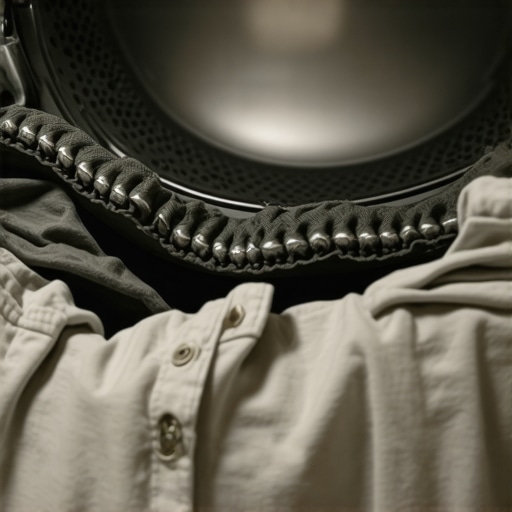
Picture this: you’re all set for a relaxing weekend, finally wearing that beloved designer T-shirt you’ve cherished for years. You toss it into the wash, confident it’s going to come out looking as good as new. But when it’s done, you notice it’s full of tiny holes—tiny, frustrating tears that seem to appear out of nowhere. That sinking feeling hits—you’ve lost your favorite shirt to something as mundane as laundry day. I’ve been there, and I know how disheartening it is to see your wardrobe staples ruined after just a simple wash.
Understanding the Culprit Behind Those Tiny Holes
So, why does this happen? Turns out, your washing machine might be more mischievous than you think. Sometimes, it’s the way the agitator interacts with delicate fabrics, or maybe the load is just too crowded, causing friction and tears. I made a costly mistake early on—overloading my machine without considering the fabric types, which led to more holes and frayed edges. Trust me, avoiding this common slip-up can save your favorite clothes from a quick demise. Did you know that poor laundry habits are responsible for up to 60% of fabric tears in modern washers? According to experts here, understanding how to treat your clothes and machine properly can make a significant difference.
Is This Problem Actually Worth Fixing?
If you’re skeptical, I get it. Sometimes, it feels easier to accept these little mishaps as part of wearing loved clothes. But ignoring the root causes can lead to more tears, bigger damage, and even costly repairs. Plus, with some simple adjustments, you can extend the life of your clothing and keep your laundry routine hassle-free. Better laundry practices not only preserve your wardrobe but also make the whole process more efficient—saving you time and money in the long run.
So, if you’ve faced the heartbreak of tiny holes appearing after each wash, don’t worry. The good news is, I’ll walk you through the practical steps that will help you identify what’s going wrong and how to fix it. From load size to detergent choice, we’ll cover all the essentials to keep your favorite T-shirts safe and sound during laundry day.
Ready to solve this nagging problem? Let’s dive into the most common causes and effective solutions so you can finally wash without worry and keep your clothes looking pristine for years to come.
Check Load Size and Distribution
Always load your washing machine with a balanced amount of clothes. Overloading causes clothes to rub against each other excessively, leading to tears. I once stuffed my machine to the brim, thinking more clothes meant fewer loads. The result? Several new holes in my favorite T-shirts. To prevent this, fill the drum about 75% full, ensuring there’s enough space for clothes to move freely. For example, when washing a delicate blouse, I dedicated a smaller load to avoid excessive friction.
Select Appropriate Wash Cycles and Settings
Use gentle cycles for delicate fabrics like silk or lace. These cycles operate at slower speeds and reduce agitation, minimizing fabric stress. I had a habit of using regular cycles for everything, which damaged my delicate wool sweaters. Adjust the cycle to ‘delicate’ or ‘hand wash’ if your machine offers it. Remember, the right cycle preserves fabric integrity and prevents tears. Check your washing machine’s settings to customize for each load, and you’ll notice fewer holes.
Choose Soft Water and Proper Detergent
Hard water and harsh detergents can weaken fibers, making them more prone to tears. Using a water softener or a gentle, high-quality detergent helps maintain fabric strength. I switched to a mild, eco-friendly detergent that cleans effectively without stripping natural oils, resulting in less fabric abrasion. Follow your appliance’s manual or the detergent’s instructions for optimal amounts, and avoid overuse, which can cause excess suds and friction.
Pre-treat and Separate Fabrics Wisely
Sort your laundry by fabric type and weight to prevent heavier items from rubbing against lighter, delicate clothing. Pre-treat stains gently with appropriate products, avoiding rough scrubbing that damages fibers. I once pre-treated a stubborn coffee stain on my T-shirt with a soft brush and maintained the fabric’s integrity. This careful approach reduces stress on fibers during washing, extending their lifespan.
Inspect and Maintain Your Washing Machine Regularly
Look for loose or rough parts like the agitator, drum edges, and internal paddles. Worn-out or damaged components can snag fabrics. I noticed a slight roughness in my drum’s edge, so I called in a technician to smooth it out, which immediately reduced fabric tears. Keeping your appliance in top shape ensures gentle handling of your clothes during each cycle. Periodic cleaning, like running a cleaning cycle with vinegar or specialized products, also helps remove residues that might cause abrasions.
Secure and Protect Your Clothes with Washing Accessories
Use mesh laundry bags for small, delicate items. These act as shields, preventing fibers from catching on machine parts. I always place my lingerie and fragile fabrics in these bags, which has drastically reduced holes. Plastic clips or pins are terrible for fabrics—they can cause tears, so avoid them. Investing in quality laundry accessories protects your clothes and prolongs their life.
By systematically applying these steps, you’ll significantly reduce the risk of tiny holes and tears in your garments. Precise load management, gentle cycles, suitable detergents, proper sorting, regular maintenance, and protective accessories are the keys to laundry success, keeping your wardrobe intact and looking pristine longer.
Many homeowners believe that modern appliances, especially smart ones, are entirely foolproof and maintenance-free. However, this assumption can lead to costly mistakes. One prevalent myth is that smart appliances automatically optimize themselves without user input. In reality, most smart devices require regular updates and user calibration to function at peak performance. Ignoring firmware updates, for example, can leave your refrigerator or washing machine vulnerable to bugs or security issues, as highlighted in recent tech analyses.
Why does neglecting software updates compromise appliance longevity?
Firmware updates often contain critical patches that fix vulnerabilities and improve efficiency. Skipping these can cause devices to operate suboptimally or even malfunction prematurely, contradicting the common belief that hardware longevity depends solely on mechanical durability. Experts at Smart Appliance Review emphasize that staying current with updates is one of the most overlooked steps in appliance maintenance. Moreover, many assume that all features are automatically intuitive, leading users to over-rely on advanced functions without understanding their nuances. For instance, utilizing smart cycle settings without reading the manual can cause unintended damage or reduce efficiency. An advanced mistake many make is underestimating the importance of proper load balancing in washing machines. Overloading may seem convenient, but it significantly accelerates wear and tears on drums and motors, often leading to costly repairs. Regularly distributing laundry evenly ensures smoother operation and longer appliance life, and it’s a nuance that experts stress in Smart Washers and How They Save Water. An additional trap involves misunderstanding the energy savings of certain features. For example, many think that using eco modes always reduces power consumption, but in some cases, these settings increase cycle times, affecting overall energy use. Being aware of these trade-offs leads to more informed choices. These misconceptions highlight the importance of delving deeper into our appliances’ functionalities rather than accepting surface-level assumptions. Understanding the specific behaviors, maintenance requirements, and limitations can prevent avoidable damage and extend the lifespan of your devices. Have you ever fallen into this trap? Let me know in the comments.
Invest in Quality Tools and Smart Maintenance Software
One of the most effective ways to ensure your home appliances stay in top condition is by utilizing reliable, specialized tools. For example, I personally swear by a digital multimeter with high accuracy, like the Fluke 87V, which allows me to diagnose electrical issues in my refrigerator and washing machine swiftly. Regularly checking power cords and outlets prevents electrical malfunctions that can cause appliance failures. Additionally, investing in a Bluetooth-enabled maintenance app such as!
the ‘SmartHome Maintenance Tracker’ helps me schedule and log routine checkups, filter replacements, and software updates. These apps often sync with your devices via Wi-Fi and provide real-time alerts about firmware updates or operational errors, minimizing downtime and costly repairs.
As smart appliances become more prevalent, software tools will increasingly integrate predictive maintenance capabilities. Companies like Samsung and LG are already pushing this trend in 2025, offering AI-driven diagnostics that can notify you of potential failures before they happen. I predict that in the near future, appliances will come with built-in sensors coupled with cloud-based analytics platforms, making maintenance proactive rather than reactive.
Prioritize Firmware and Software Updates
Keeping your smart appliances current through regular firmware updates is crucial. These updates often include security patches, performance improvements, and new features that can extend your appliance’s lifespan. I schedule firmware checks monthly, using manufacturer apps or websites to ensure nothing is missed. For example, updating my smart dishwasher’s firmware improved its cleaning cycle efficiency and reduced energy consumption, which you can read more about in future trends here. Don’t overlook the importance of reading update release notes—they often contain vital instructions to prevent glitches.
For long-term results, consider subscribing to manufacturer notifications or using management tools that automatically install updates during off-peak hours, reducing the risk of interruption during your busy routines. Automating this process keeps your appliances operating optimally and guards against vulnerabilities, especially as cyber threats target connected devices.
Schedule Regular Professional Maintenance Checks
While DIY troubleshooting is handy, professional inspections remain a cornerstone of appliance longevity. I recommend scheduling at least an annual service appointment for major appliances like refrigerators and washing machines. Certified technicians can calibrate components, replace worn parts, and perform detailed cleaning that DIY approaches might miss. For instance, a technician can properly defrost condenser coils—an often overlooked task that improves energy efficiency and prevents motor strain.
Tools like infrared thermometers and ultrasonic leak detectors are invaluable for technicians, but having a trustworthy local service provider who uses advanced diagnostic equipment ensures that you catch issues early. If you’re unsure where to start, your appliance’s warranty or manufacturer websites can point you to certified repair services. Remember, timely maintenance can prevent minor problems from escalating into expensive replacements.
The Future of Appliance Maintenance: What to Expect?
As the trend toward smarter homes accelerates, I believe the integration of AI and machine learning will dominate appliance maintenance. Predictions point to appliances that autonomously alert manufacturers and service providers when they detect anomalies, ensuring swift repairs with minimal homeowner intervention. In fact, leading brands are already experimenting with predictive analytics, which forecast failures up to weeks ahead, allowing preemptive scheduling of repairs. This evolution signifies a move from reactive to preventive care, saving homeowners money and enhancing appliance lifespan.
To stay ahead, I suggest trying these proactive tools and habits now—like investing in a Bluetooth maintenance tracker or scheduling regular professional checkups. Taking these steps today positions you to enjoy seamless, long-lasting appliance performance in the future.
Lessons No One Tells You About Smart Appliance Care
One of the most valuable insights I’ve gained is that the true secret to longevity isn’t just in buying the latest tech but in understanding and respecting its quirks. I used to think that a smart refrigerator or washing machine would silently manage itself, but regular firmware updates and proper use are essential to keep them running smoothly. Another lightbulb moment was realizing that overloading my washer might seem convenient, but it dramatically shortens appliance lifespan—you get more wear and tear with less capacity. And perhaps most surprisingly, the common myth that these appliances are maintenance-free is far from true; routine checks and cleaning are the unsung heroes behind their durability.