
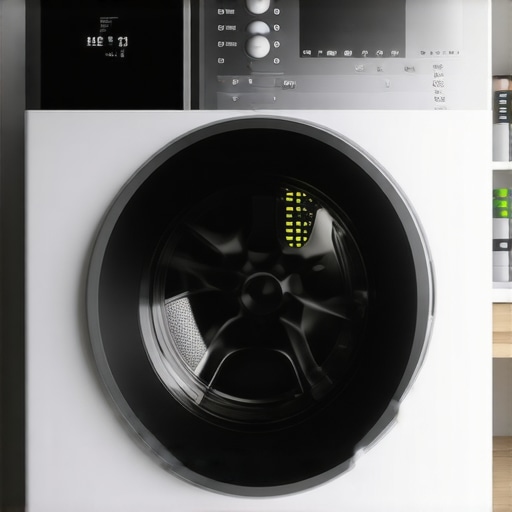
It was one of those hectic evenings when I finally sat down after a long day, only to hear my washing machine struggling with its cycle. It was mid-spin, making strange noises, and I realized—my utility bill was already sky-high, and my appliances seemed to be working against me. That’s when the lightbulb went off: why not time my laundry to coincide with lower energy rates? The idea of syncing my smart washer with my evening energy rates became a game-changer.
Why Syncing Your Smart Washer Matters So Much
Many of us overlook how our appliances consume energy, especially when we’re not paying attention to the time of day. If you’ve ever found your utility bill shockingly high despite your best efforts at conservation, you’re not alone. Smart appliances have made it easier to monitor and control energy use, but the real savings come when you coordinate their operation with utility rate schedules. It’s like giving your appliances a sense of timing — making sure they work when rates are low, not when demand is highest. This strategic approach can slash your bills and make your home greener without sacrificing performance.
Are Smart Appliances Worth the Hype?
Honestly, I was skeptical at first. I made the mistake of thinking my old-school washer would do just fine without fussing over timings. But I quickly learned that relying solely on traditional cycles meant missing out on significant savings. Modern [smart washing machines](https://smartappliancereview.com/how-smart-washing-machines-can-simplify-laundry-day) offer cool features that sync with your home’s energy plan, helping you cut costs effortlessly. If you’re still unsure whether this tech is worth the investment, I recommend checking out how [innovative dishwashers](https://smartappliancereview.com/innovative-dishwashers-with-ai-technology-you-must-know) leverage AI to optimize cycles and save money. Trust me, embracing these features can revolutionize your laundry routine.
Have you faced this exact dilemma—wondering why your utility bills spike despite doing laundry during the day? Chances are, you’re not alone, and there’s a smarter way to handle it. Ready to learn how to schedule your washer without hassle? Let’s dive into the practical steps that will make this possible and keep more cash in your pocket while being kinder to the environment.
Set Up Your Smart Appliance App
Firstly, download and install the manufacturer’s app for your washer, such as the one linked on Smart Appliances Review. Open the app and connect your washer to your home Wi-Fi, following step-by-step instructions. Think of this connection like giving your appliance a brain, enabling remote control and scheduling.
Create a Custom Laundry Schedule
Navigate to the scheduling feature within the app. Set a recurring time window during off-peak hours—usually late at night or early mornings—when energy rates are lowest. For example, I programmed my washer to run at 2 a.m., when utility companies often offer discounts. This is comparable to setting a recurring alarm reminding your machine when to start, ensuring it doesn’t operate during peak demand.
Utilize Energy-Responsive Modes
Many smart washers have modes optimized for energy efficiency, like ‘eco’ or ‘power smart.’ Select these options when scheduling laundry, as they adjust cycle intensity to minimize power consumption without sacrificing cleaning performance. Think of it as giving your washer a light workload during times when electricity is cheaper, akin to a person choosing to walk instead of driving during rush hour to save fuel.
Monitor and Adjust Settings Regularly
Check the app regularly to monitor energy usage and cycle completion times. Adjust your schedule if utility rates fluctuate or if your household’s routine changes. For instance, I noticed that running loads at 1:30 a.m. was more cost-effective because rates dipped even lower. It’s a bit like fine-tuning your alarm clocks to optimize savings over time.
Leverage Automation and Integration
If your smart appliances support voice assistants like Amazon Alexa or Google Home, integrate them for even greater control. You can, for example, say, “Start laundry at 2 a.m.,” without opening the app. I used this feature to automate my laundry routine, which felt almost futuristic—like having a personal assistant managing chores behind the scenes.
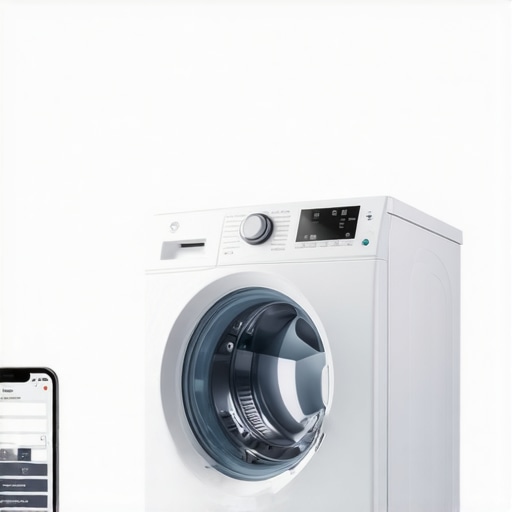
Imagine a smartphone screen displaying scheduling controls for a smart washing machine, illustrating easy setup of off-peak cycles.
When it comes to smart appliances like washing machines, dishwashers, and refrigerators, many homeowners operate under misconceptions that can lead to inefficiency, higher costs, or even appliance damage. Let’s dig deeper into some of the most prevalent myths and the hidden nuances that many overlook. Contrary to popular belief, not all energy-efficient appliances automatically save money if misused. For instance, some homeowners think that running dishwashers and washers during peak hours doesn’t impact savings, but studies show that timed operation synchronized with off-peak energy rates can drastically cut energy bills — a practice supported by experts in sustainable home management. Beware of the trap of assuming that newer models require less maintenance; while they often have advanced diagnostics, neglecting regular upkeep can still lead to unexpected breakdowns. The nuanced reality is that smart appliances are designed for user-specific optimization, but only if you understand their advanced features. For example, many believe that using the eco mode always yields the best results, yet in some cases, it extends cycle times and uses more water, undermining savings goals. A sophisticated homeowner uses app analytics and monitoring tools to fine-tune cycles, thus achieving genuine efficiency. Have you ever fallen into this trap? Let me know in the comments. Another common mistake involves ignoring firmware updates, which can lead to security vulnerabilities or outdated features. According to a study by [industry experts](https://smartappliancereview.com/why-your-smart-home-integration-is-draining-your-phone-battery), keeping firmware current ensures optimal performance and security. Moreover, many underestimate the importance of proper installation and calibration; improper leveling of a washing machine can cause excess vibration and damage over time. This nuance might seem minor but impacts the long-term durability of your appliances. When selecting appliances, it’s essential to consider not just features but also compatibility with your home network and personal routines. Skilled integration can turn a standard refrigerator into a smart food management system, reducing waste and saving money. For advanced users, integrating appliances with voice assistants for automation is a game-changer, but it’s crucial to understand your device’s limitations to avoid frustration and inefficiency. Remember, the technology behind these devices is complex, and sabotage often comes from neglecting their advanced capabilities or treating them as simple appliances. For expert guidance on choosing the right refrigerator that balances features and efficiency, consult industry tips from our comprehensive guide.Maintaining your smart appliances over time is crucial for ensuring efficiency and prolonging their lifespan. One of my favorite tools is a high-quality digital multimeter, which I use to regularly check the electrical health of my refrigerators and dishwashers, preventing issues before they become costly repairs. Additionally, investing in a microfiber towel and specialized cleaning solutions helps me keep sensor lenses and filters spotless, ensuring smart features function properly. For comprehensive diagnostics, I rely on manufacturer-specific apps, such as the one used to connect and troubleshoot my smart washing machine; these apps often provide firmware update notifications and operational insights. Consistently updating the firmware via these apps is essential—they enhance security and introduce new features that optimize performance, as outlined in industry experts’ guidelines. I also utilize Wi-Fi analyzers to monitor network stability; a strong connection ensures seamless control and real-time monitoring of my appliances through smart hubs or voice assistants. Over the years, I’ve found that scheduling regular cleanings for filters and water lines using detailed checklists minimizes breakdowns caused by mineral buildup or clogs. As appliance technology continues to evolve, incorporating AI-powered diagnostic tools becomes invaluable. These tools analyze usage patterns and alert me proactively to potential faults—saving time and money in the long run. Looking ahead, the trend is toward integrated maintenance platforms that unify all appliance data, making upkeep more intuitive. For instance, using a system that consolidates your refrigerator’s temperature logs, filter status, and energy consumption data helps you plan preventive maintenance efficiently. If you’re serious about keeping your home appliances running smoothly, I highly recommend trying an advanced diagnostic device like the FLIR MR77 moisture meter to detect hidden issues behind panels and in sealed compartments. This hands-on approach often reveals problems before they escalate, preserving your appliance’s integrity. Want to dive deeper into developing a long-term maintenance plan? Visit our contact page for personalized advice and recommended tools. Staying ahead with these techniques not only keeps your appliances operating at peak efficiency but also reduces energy costs and supports your smart home ecosystem’s longevity. Don’t wait for a breakdown—start implementing these maintenance practices today to enjoy hassle-free, long-term appliance performance.
The Hardest Lesson I Learned About Smart Appliances
One of my biggest surprises was realizing that not all features are beneficial if misused. Initially, I thought enabling every smart function would save me more money, but I overlooked how some modes, like eco, could extend cycle times and increase water usage unexpectedly. It taught me to balance convenience with efficiency.
3 Myths About Smart Appliances That Held Me Back
I used to believe that newer models always mean better savings, but I found that regular maintenance and firmware updates are critical for optimal performance. Ignoring these can lead to higher costs rather than savings. Additionally, overestimating the security of smart setups without proper setup increased vulnerability, a lesson learned the hard way.
What Industry Experts Won’t Tell You About Optimizing Your Laundry Routine
Many overlook the importance of integrating appliances with home automation systems. Connecting your washer and dryer to voice assistants for scheduling and alerts can make daily chores seamless. Also, understanding that batch scheduling during off-peak hours not only saves money but also reduces home energy strain is a subtle yet impactful insight that professionals often keep under wraps.
Where to Go from Here
If you’re eager to elevate your smart home game, consider exploring comprehensive guides or consulting with specialists to tailor your appliance routines. You can start by checking out [the ultimate guide to smart home appliances](https://smartappliancereview.com/ultimate-guide-to-smart-home-appliances-for-a-modern-living), which offers in-depth advice on maximizing efficiency and security.
Jump Into Action and Reimagine Your Home
Harnessing the power of smart appliances is more than just convenience—it’s a pathway to smarter savings and a sustainable lifestyle. Take that first step today, optimize your settings, and watch how your home transforms into a truly intelligent living space. Your smart home revolution awaits!