
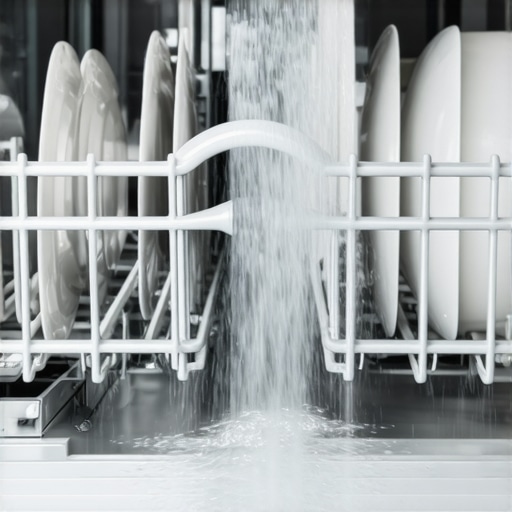
Have you ever opened your dishwasher only to find that dishes are still dirty, even after a full cycle? That sinking feeling when you realize the spray arm isn’t distributing water properly can be frustrating. I remember the first time I noticed my glasses were greasy and streaked despite running the dishwasher as usual. It was a lightbulb moment for me—something was off, and I needed to find out what.
Why a Clogged Spray Arm Can Ruin Your Dishwasher’s Performance
When the spray arm becomes clogged with food debris, mineral deposits, or soap scum, it can’t spray water with the force and coverage needed to clean your dishes properly. This not only wastes water and energy but also causes you to rewash, wasting time and money. Over time, I learned that the root cause isn’t just a simple blockage but often overlooked buildup that builds up slowly, reducing efficiency.
Imagine this: you’re frantically rinsing off stubborn stains from a dinner plate, thinking your detergent will do the job. But the truth is, if the spray arm isn’t spinning freely or is blocked, that effort is all for nothing. It’s like trying to water your garden with a clogged hose—nothing gets through. According to appliance experts, a clogged spray arm is one of the leading causes of poor dishwasher performance in homes today. Just a bit of maintenance can extend the life of your appliance and keep your dishes spotless.
Disassemble the Dishwasher for Inspection
Start by unplugging your dishwasher to ensure safety. Remove the lower dish rack to gain access to the spray arm. Usually, the spray arm is held in place with a cap or a screw. Use a screwdriver to carefully detach it, keeping track of all screws and components. This process is similar to how you might disassemble a washing machine’s drain pump when troubleshooting clogs. Applying this systematic approach can help prevent accidental damage.
Check and Remove Obstructions from the Spray Arm
Hold the spray arm up to a light or use a small brush to inspect for debris lodged in the holes or ports. Use a toothpick or a small pin to clear out any food particles, mineral deposits, or soap scum blocking the jets. I once encountered a buildup of hard water deposits that took some gentle scraping to dislodge, but doing so restored the water flow. Think of it like cleaning the nozzles in a smart refrigerator’s water dispenser for better flow. Regular cleaning prevents buildup from becoming stubborn.
Identifying Mineral Deposits versus Food Debris
Mineral deposits usually appear as chalky or white flaky residue, especially in areas with hard water. Food debris tends to be greasy or sticky. Differentiating these helps determine the best cleaning method. For mineral buildup, soaking the spray arm in a vinegar solution can dissolve deposits effectively, much like unclogging a water line in a smart home irrigation system.
Clear the Nozzles and Jets
After removing visible obstructions, soak the spray arm in a mixture of white vinegar and warm water for 15-30 minutes. This neutralizes mineral deposits and softens grease. Use a small brush or needle to gently scrub each jet or nozzle. In my experience, this method is akin to cleaning out a smart appliance’s filter—regular maintenance keeps optimal performance. Be cautious not to damage fragile parts during cleaning.
Reassemble and Test
Once cleaned, reattach the spray arm securely, ensuring all screws or clips are tightened properly. Replace the lower rack and run an empty cycle with vinegar or dishwasher cleaner to flush out residual debris. During one such test, I watched the spray arm spin freely and spray water with even coverage—like the efficient spray of a high-tech dishwasher from https://smartappliancereview.com/innovative-dishwashers-with-ai-technology-you-must-know. This step confirms that the blockage has been resolved and helps maintain cleaning efficiency.
Prevent Future Clogs
Use rinse aid regularly to minimize mineral deposits. Run a descaling cycle every few months if you have hard water. Consider installing a water softener if buildup persists, which prolongs appliance life and improves cleaning. Also, avoid overloading the dishwasher, as crowded dishes can interfere with proper water flow. Think of it as optimizing smart refrigerators with the latest features from https://smartappliancereview.com/refrigerators-in-2025-top-features-that-transform-your-kitchen, ensuring they operate at peak performance.
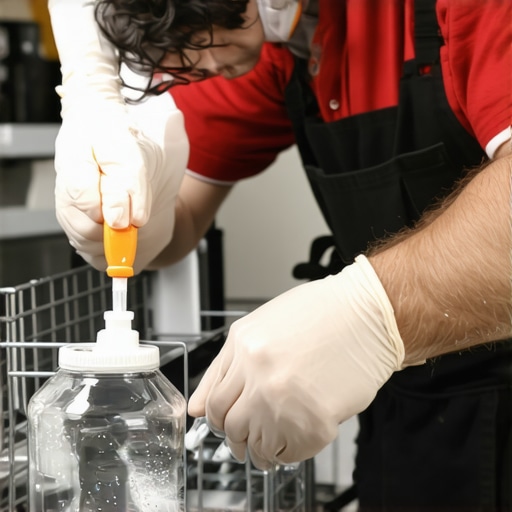 Many homeowners operate under assumptions about their appliances that can lead to inefficiency and frustration. One widespread myth is that running appliances on the highest setting always yields the best results; however, this can accelerate wear and increase energy consumption without necessarily improving performance. In my experience, optimizing settings based on the task at hand not only extends the lifespan of devices like dishwashers and washing machines but also conserves energy, aligning with insights from appliance experts. A common oversight is neglecting the importance of regular maintenance, such as cleaning filters and nozzles, which many believe isn’t critical—yet, ignoring these can significantly diminish appliance efficiency over time. Additionally, many think that advanced features in smart appliances are just gimmicks, but in reality, they offer substantial benefits like energy savings and maintenance alerts, as highlighted in the latest industry reports.
Is the Latest Technology Always Better for Your Home?
Understanding the nuances of smart home appliances is crucial; newer isn’t always better if your home isn’t equipped with the necessary connectivity infrastructure. For example, a smart refrigerator with AI features can help manage food freshness, but only if your Wi-Fi connection is fast and stable, as discussed in recent smart appliance trend analyses. Over-investing in technology without considering compatibility can lead to underuse or frustration. Don’t fall prey to the trap of upgrading simply for the sake of having the latest gadgets—evaluate whether the features align with your needs and home setup.
Have you ever fallen into this trap? Let me know in the comments. Being aware of these common misconceptions can save you time, money, and headaches in maintaining your home appliances. Remember, a little knowledge goes a long way, and staying informed ensures you’re making the best choices for your household.Maintaining your dishwasher, washing machine, refrigerator, or other smart appliances requires the right tools and a strategic approach. I personally rely on a set of specialized equipment to diagnose and fix issues quickly, saving me both time and money. For example, a high-quality digital multimeter is invaluable for testing wiring and electrical components in appliances like smart refrigerators. It gives me precise readings, helping me identify faulty sensors or connections without guesswork.
When dealing with stubborn build-ups or clogs, a flexible, fine-tipped brush such as a toothbrush or a dedicated cleaning brush with soft bristles allows me to clean nozzles and jets effectively. I prefer brushes with an ergonomic handle because they provide better control, which is essential when cleaning delicate components in dishwashers and ice makers.
For more stubborn mineral deposits, I use a handheld ultrasonic cleaner, which I find significantly more effective than traditional soaking. Ultrasonic cleaning uses high-frequency sound waves to dislodge particles from hard-to-reach crevices, ensuring thorough cleaning without damaging sensitive parts. This approach is especially useful for cleaning the intricate nozzles of smart appliances.
Software-wise, I recommend maintaining a detailed log of your appliances, including firmware versions and maintenance dates. Using smart diagnostic apps provided by manufacturers enables real-time troubleshooting and helps you monitor device health over time. For instance, some smart refrigerators have companion apps that provide alerts about filter replacements or temperature inconsistencies, extending their lifespan.
Predicting future trends, I believe that integration between diagnostic tools and AI-powered maintenance systems will become more prevalent. These smarter systems will analyze usage patterns and predict failures before they occur, minimizing downtime.
So, how do I maintain appliances over time? Regular cleaning, using the right tools, and staying updated with manufacturer firmware are critical. I can’t overstate the importance of inspection and preventive care—much like cleaning refrigerator coils or replacing worn-out hoses—to ensure long-term performance.
If you’re ready to enhance your appliance maintenance routine, try investing in an ultrasonic cleaner for deep cleaning stubborn parts. You’ll be surprised at the difference it makes in keeping your appliances efficient and prolonging their lifespan. For more detailed methods on smart appliance upkeep, check out the [Ultimate Guide to Smart Home Appliances](https://smartappliancereview.com/ultimate-guide-to-smart-home-appliances-for-a-modern-living). Remember, proactive maintenance today prevents costly repairs tomorrow.
The Hardest Lessons I Learned About Dishwashers and Smart Appliances
One of the most valuable insights I gained was the importance of regular maintenance—neglecting small checks can lead to big, costly problems. I once overlooked cleaning the spray arm, which resulted in inefficient washes and sticky glasses. That lightbulb moment taught me that proactive care saves time and money.
Another lesson was understanding the role of hard water in mineral deposits. Investing in a water softener significantly extended the lifespan of my appliances and improved cleaning outcomes. It’s easy to dismiss such upgrades, but they truly make a difference in appliance longevity.
Lastly, I realized that smart features are only as good as their setup. Proper Wi-Fi connectivity and firmware updates keep appliances functioning optimally. Rushing into upgrades without proper configuration can turn advanced appliances into sources of frustration instead of convenience.