
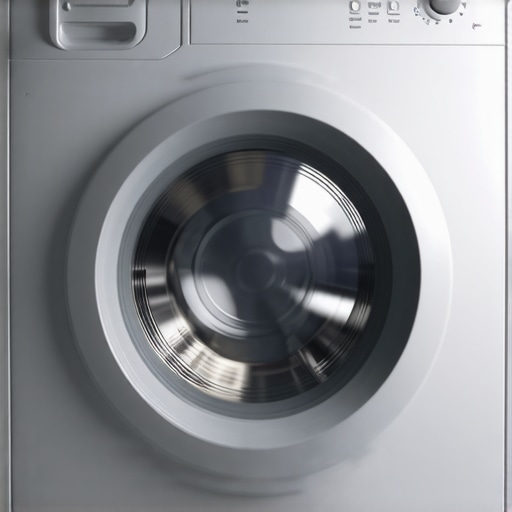
It happened again—my laundry day turned into a mini earthquake. I was standing there, watching my washing machine rattle uncontrollably, laundry flying around like a hurricane. It’s a familiar nightmare for many homeowners, and honestly, it made me wonder if my appliance was auditioning for a role in a disaster movie. After countless frustrating cycles and some research, I realized I wasn’t alone. This shaking isn’t just a nuisance; it can cause real damage over time.
Understanding the Root Causes of Your Washer’s Wild Behavior
So, why does this happen? The answer lies in the balance—or lack thereof—inside your machine. When your washer starts to shake violently during the spin cycle, it’s often because the load isn’t evenly distributed or the machine isn’t perfectly level. But there are other culprits too, like worn-out drum bearings, unsteady flooring, or even faulty shock absorbers. I learned early on that blindly replacing parts without diagnosing the real problem was a mistake I made, leading to unnecessary expenses. To truly resolve this, I had to dig into the specifics of my washer’s anatomy and the common pitfalls that cause these violent vibrations. Want to discover how to keep your laundry routine smooth and stress-free? Keep reading, because I’ll walk you through the practical steps that turned my chaos into calm.
Is Your Rotating Drum the Problem or Just a Red Herring?
Many folks jump straight to expensive repairs or replacements, convinced that their machine needs a complete overhaul. I’ve been there myself, thinking, “Maybe I just need a new washer.” But before you do, it’s worth questioning whether the issue is as severe as it seems. Early on, I made the mistake of ignoring simple level adjustments, which only worsened the shaking. Once I started checking that my washer was sitting perfectly flat, the problem diminished significantly. It’s a reminder that sometimes, the simplest fix—like ensuring your machine is stable—is enough. And if you’re wondering whether upgrading to smarter appliances might help in the long run, check out the latest trends in home appliances that aim to cut down on these kinds of issues, like the top [smart washing machines](https://smartappliancereview.com/how-smart-washing-machines-can-simplify-laundry-day) for 2025.
Now that you know the common causes, let’s explore the practical, easy-to-implement solutions that will save your sanity—and your floor—from future shakedowns. Are you ready to get your washer running smoothly again?
Level Your Washer to Stop the Shake
Imagine your washing machine as a balanced scale; if it’s off-kilter, vibrations escalate. I once struggled with constant shaking until I used a simple bubble level to check and adjust its leveling feet. Place the level on top of the machine, and if the bubble isn’t centered, adjust the feet—usually by twisting them clockwise or counterclockwise—until the bubble aligns perfectly. This straightforward step significantly reduced my machine’s movement during spins.
Ensure Load Distribution Is Even
Overloading or unevenly distributing clothes causes imbalance. I once overloaded my front-loader with bulky towels only to find it bouncing violently. To fix this, I redistributed the laundry so weight was balanced, avoiding clumping on one side. Remember, keep the load size within the manufacturer’s recommendations, and evenly spread heavy items for smooth operation. This simple change improved my washing experience instantly.
Inspect and Replace Worn Shock Absorbers
Shocks dampen movement; if they wear out, your washer will shake. I noticed increased noise and movement, prompting me to check the shock absorbers—these are usually attached between the drum and the frame. To test, tilt the machine slightly; if the drum moves excessively, shocks may be faulty. Replacing them involves unscrewing the old shocks and installing new ones, which can often be ordered from your local appliance parts store. This fix restored stability and peace to my laundry room.
Check and Level the Flooring
Uneven flooring causes instability. Once, my washer vibrated excessively on a laminate floor. Using a carpenter’s level, I pinpointed uneven spots. To correct this, I placed shims or adjustable furniture pads under the machine feet, creating a stable, level surface. If your floor is particularly uneven, consider reinforcing or leveling the surface before placing the washer. This prevents future shaking caused by uneven ground.
Upgrade to Smart Washers with Vibration Reduction
Modern smart appliances often feature advanced technology. For instance, several [smart washing machines](https://smartappliancereview.com/how-smart-washing-machines-can-simplify-laundry-day) come with built-in sensors and adaptive load balancing that automatically reduce vibrations. Investing in such upgrades not only eases maintenance but also enhances performance, especially if your current machine consistently struggles with stability. It’s worth considering for long-term peace of mind.
Regular Maintenance and Check-Ups Keep Everything Running Smoothly
Scheduling periodic inspections, like tightening bolts or checking shock absorbers, prevents big shake-ups later. I mark my calendar for semi-annual checks, ensuring my washer remains level and balanced. This proactive approach saves money and extends the life of your appliance, making laundry less of a chore and more reliable.
Many homeowners assume they know the ins and outs of their appliances, but some widespread beliefs can be misleading. For example, the idea that all smart refrigerators require constant internet connections to function optimally is a misconception. While app connectivity offers convenience, many features are designed to work offline, ensuring your appliance operates smoothly even during network outages. Relying solely on these digital features without understanding their limitations can lead to frustration. Additionally, there’s a common myth that newer appliances are always more energy-efficient. In reality, some advanced features can increase power consumption if not used wisely. For instance, smart refrigerators with multiple cooling zones may require more energy if doors are frequently opened or settings are improperly managed. According to a 2024 study by the Appliance Energy Group, the true efficiency depends heavily on user habits and proper calibration, not just the appliance’s tech specs.
Another trap many fall into is believing that all appliances automatically adapt to household needs. While smart washing machines and dishwashers boast adaptive cycle functions, these require regular updates and proper setup. Ignoring firmware upgrades can leave your device less efficient and more prone to issues. To truly benefit from these innovations, it’s vital to stay informed about firmware updates and integrating smart features seamlessly into your routines. For example, upgrading your smart appliances through trusted sources like [smartappliancereview.com](https://smartappliancereview.com/ultimate-guide-to-smart-home-appliances-for-a-modern-living) can significantly enhance performance.
Now, let’s address a critical question that advanced users often ask: How do smart appliances balance the trade-off between functionality and privacy? Many believe that smart devices inherently compromise personal data, but industry experts suggest that with proper security settings, privacy risks can be minimized. It’s essential to review manufacturer privacy policies and make use of secure Wi-Fi networks, as detailed in [security tips for smart appliances](https://smartappliancereview.com/is-your-smart-fridge-sharing-your-data-how-to-tighten-privacy-settings). Rather than avoiding smart tech altogether, informed management ensures you enjoy convenience without sacrificing security.
Have you ever fallen into this trap? Let me know in the comments. Understanding these nuances fosters smarter choices and longer-lasting appliances, ultimately saving you money and headaches in the future.
Deploying Precision Maintenance Tools for Longevity
Investing in quality maintenance tools can drastically extend the lifespan of your appliances. I personally rely on a digital multimeter from Fluke to monitor electrical components in my smart refrigerator and washing machine, ensuring they operate within safe parameters. A high-quality multimeter allows me to diagnose issues such as faulty sensors or wiring problems without the need for costly repairs. Additionally, a reliable bubble level—preferably one with a magnetic base—helps me verify that appliances like washing machines and refrigerators are perfectly leveled, which is crucial for preventing vibrations or leaks. Consult this resource for recommended tools tailored to home appliance upkeep.
Mastering Software for Routine Checks and Updates
Stay ahead of potential issues by integrating appliance-specific diagnostic software and manufacturer apps. I utilize the LG ThinQ app to effortlessly run diagnostic tests and firmware updates on my smart fridge, avoiding unnecessary trips to service centers. Regularly updating your appliance firmware ensures compatibility with evolving home automation systems and patches security vulnerabilities that could be exploited remotely. For example, the latest firmware for refrigerators includes predictive maintenance alerts, notifying you of component wear before breakdowns occur. Website resources like this comprehensive guide highlight how software management can improve reliability.
Implementing Routine Maintenance Checks to Prevent Long-Term Damage
Scheduled inspections, such as inspecting door seals or cleaning filters, prevent minor issues from escalating. For my dishwasher, I use a cleaning cycle with a specialized descaling agent every six months, which I order from trusted brands recommended in this detailed article. Additionally, I make it a habit to verify the levelness of my appliance every quarter, especially after contractor visits or home renovations, which can inadvertently disturb the flooring. Implementing a maintenance calendar and setting reminders helps ensure these checks become routine. An investment in maintaining pristine filters and seals pays off by reducing energy consumption and avoiding costly repairs down the line.
The Future of Appliance Support and Scaling Solutions
Looking ahead, integrating predictive maintenance, powered by AI and IoT, is set to revolutionize appliance care. Imagine appliances that self-diagnose, alert you proactively, and even schedule repairs automatically. For homeowners eager to adopt these innovations, exploring options like the newest smart refrigerator models that monitor component wear is a wise step. Based on current trends in industry forecasts, in the next five years, proactive and automated appliance management will become the norm, drastically simplifying maintenance routines. I recommend starting with software solutions that provide remote diagnostics and alerts; they’re a game-changer for long-term appliance health.
How do I maintain my appliances over time?
Consistent, targeted inspections paired with quality tools and software updates are your best bet. By establishing a routine maintenance schedule and investing in a good multimeter, smartphone diagnostics, and cleaning protocols, you’ll not only extend your appliances’ lifespan but also save money and headaches down the line. As a first step, try setting up a quarterly maintenance checklist and see how early detection of minor issues makes a big difference in preventing major breakdowns.
The Unexpected Wisdom Behind Shaky Appliances
Looking back, one of the most valuable lessons I learned was that many appliance issues aren’t as complicated as they seem. The first time my washer shook apart during a spin cycle, I thought I needed a costly repair. But it turned out that a simple level adjustment made an enormous difference. Sometimes, the smallest details—like ensuring a machine is perfectly balanced—can save you from unnecessary expenses and frustration. This experience taught me to look for straightforward fixes before jumping to conclusions about needing new appliances.
Tools and Resources That Changed My Approach
If you’re serious about keeping your appliances in top shape, having the right resources is crucial. I rely heavily on a good digital multimeter, which helps me diagnose electrical issues in my smart appliances without calling in a professional. Additionally, I trust manufacturer apps, like the LG ThinQ, for getting real-time updates and diagnostics. And for leveling and stability checks, a simple yet effective bubble level has become my best friend. These tools make routine maintenance manageable and empower you to address issues proactively, saving you money and extending the lifespan of your appliances.
Your Next Step Toward Peace of Mind
Embracing proactive maintenance and understanding your appliances’ quirks can transform your home experience. Don’t wait for a breakdown to become your wake-up call—start small, stay consistent, and enjoy the peace of knowing your appliances are running smoothly. Remember, the future of home appliances is moving toward more intelligent, self-aware systems, so investing in smart solutions today can pay dividends tomorrow. Ready to take control and make your laundry and kitchen routines hassle-free? Dive into this journey of smarter appliance care—I promise, it’s worth it.