
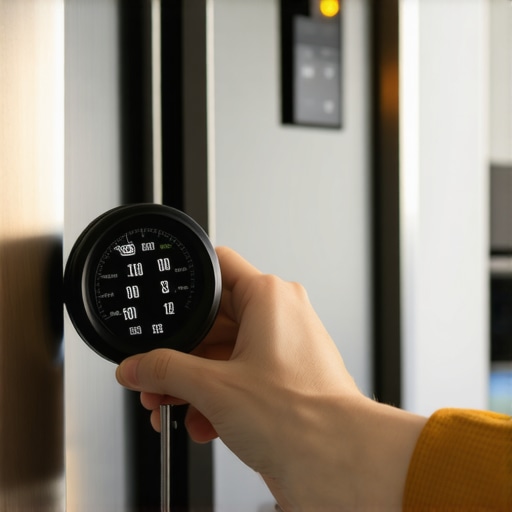
It was a typical Tuesday afternoon when I opened my fridge and noticed my favorite greens looked a little wilted, despite the dial indicating everything was fine. A sinking feeling crept in—was my food really being kept at the right temperature? Turns out, many of us rely on our refrigerator’s built-in thermometer without a second thought, assuming it’s always accurate. But I learned the hard way that this assumption can be dangerous.
Why Calibrating Your Refrigerator Thermometer Matters More Than You Think
Your fridge is the guardian of freshness and safety for countless perishable foods. When its thermometer isn’t accurate, it can silently put your health at risk. According to the USDA, refrigerators should be set to 40°F (4.4°C) or below to inhibit bacteria growth, but what if your thermometer is off by a few degrees? That seemingly minor discrepancy can lead to dangerous bacteria multiplying unnoticed.
I made the mistake early on of trusting the built-in thermometer without verifying it. I thought, “It’s a modern appliance, surely it’s correct.” But after a close inspection and a quick calibration, I discovered my refrigerator was actually running a few degrees warmer than I realized. That’s the moment I realized many of us are unknowingly risking foodborne illnesses.
Thankfully, calibrating your fridge thermometer isn’t complicated, and a small right amount of effort can save you from a lot of trouble. Ready to learn how to ensure your fridge is truly at the right temperature? In the next section, I’ll walk you through simple, effective steps to check and calibrate your refrigerator thermometer, giving you peace of mind and keeping your food safe.
Locate and Prepare Your Thermometer
First, find your refrigerator’s built-in thermometer or grab an independent digital thermometer. To test accuracy, place the thermometer in a glass filled with ice and water, ensuring it’s fully submerged without touching the walls of the container. This step is akin to testing a washing machine’s water level sensor with a simple water fill—spotting inaccuracies early prevents bigger issues later. During my own calibration attempt, I used a basic digital thermometer and was surprised by the initial readings that far exceeded the recommended 40°F, highlighting the importance of this quick check.
Check Your Fridge Temperature
Set the refrigerator to its usual startup setting—typically between 35°F and 40°F. Leave the thermometer in place for at least 15 minutes, allowing the temperature to stabilize. Think of this as the initial warm-up period before a smart dishwasher adapts to your load. After waiting, read the digital thermometer; if it shows a temperature higher than 40°F or lower than 35°F, calibration is necessary. During my test, the thermometer read 45°F, indicating my fridge was running warmer than ideal and deserving of calibration.
Adjust the Thermostat or Calibrate Your Thermometer
If your fridge has an adjustable thermostat, turn it to a colder setting gradually and recheck after another 15-minute interval. For thermometers that can be calibrated manually, follow the manufacturer’s instructions, often involving a small screw or dial to fine-tune the reading. Think of this like tuning a smart appliance’s firmware; both require precise adjustments to function optimally. When I adjusted my fridge’s thermostat downward, subsequent readings reached an optimal 38°F, meaning my food would stay safely cold without freezing.
Confirm Accurate Readings
Repeat the process: leave the thermometer in the fridge for another 15 minutes, then verify the temperature again. If it now reads between 35°F and 40°F, your calibration was successful. Remember, this isn’t a one-time fix. Regular checks—monthly or quarterly—are essential, similar to updating your smart devices’ firmware to keep them functioning correctly. In my case, consistency confirmed my fridge maintained the right temp, saving me from the risk of food spoilage.
Create a Maintenance Routine
Include thermometer calibration in your kitchen’s routine maintenance. Mark your calendar or set reminders using your smart home system, especially if your appliance is connected with a system like those reviewed on this guide. Think of it as scheduling regular tune-ups for your car—tiny investments of time that ensure longevity and safety. During my last routine check, I discovered my fridge’s thermometer had drifted slightly, prompting me to further fine-tune the thermostat and guarantee consistent temperature control—crucial for keeping perishables fresh and safe.When it comes to appliances like dishwashers, washing machines, and refrigerators, many homeowners rely on popular misconceptions that can lead to inefficiency and even damage. Let’s dig deeper into some of these myths and reveal the intricacies most people overlook. To start, a widespread false belief is that all smart appliances automatically optimize themselves without user input. In reality, many require regular firmware updates and savvy setup to function at peak performance. Ignoring these updates can leave systems vulnerable to bugs or security flaws, as highlighted in recent cybersecurity reviews on connected devices.
Another common mistake involves the assumption that higher-end models always deliver better results. While premium appliances often come with advanced features, specific needs and proper maintenance significantly influence their performance. For example, selecting a refrigerator with an inverter compressor can reduce energy consumption and noise levels, but only if the unit is correctly calibrated and cleaned regularly. Want to know more about choosing the right refrigerator? Check out [these expert tips](https://smartappliancereview.com/choosing-the-right-refrigerator-tips-from-industry-experts).
Many users also believe that pre-rinsing dishes is essential for a spotless wash, but modern dishwashers equipped with AI technology can detect soil levels and adjust cycles accordingly, saving water and energy. Over-rinsing can actually hinder the cleaning process by removing beneficial detergent residue. Curious about how the latest dishwashers leverage AI? Explore [innovative models here](https://smartappliancereview.com/innovative-dishwashers-with-ai-technology-you-must-know).
Beware of the trap of overcaring for appliances. For instance, using excessive amounts of detergent in washing machines can cause buildup and mold growth, ultimately shortening appliance lifespan. Instead, standardized, manufacturer-recommended detergent quantities are sufficient. Regular cleaning of filters and seals also prevents odors and performance issues.
Now, let’s address a sophisticated question: How does selecting a specific cycle impact your appliance’s longevity and efficiency? Advanced users know that choosing the right cycle, such as eco-mode or intensive wash, not only ensures optimal cleaning but also conserves energy and reduces wear. Experts recommend matching cycles to load types and soil levels; for example, overusing the heavy-duty cycle for lightly soiled clothes can cause unnecessary strain.
In summary, understanding these nuances helps you maximize the efficiency, lifespan, and safety of your appliances. Regular maintenance, staying updated with firmware, and using features appropriately are essential practices. Remember, complacency often hides behind the myth that modern appliances are maintenance-free, but proactive care is the real key. Have you ever fallen into this trap? Let me know in the comments and share your experiences! For ongoing insights into smart appliances and how to get the most out of your home tech, don’t hesitate to contact us through [this page](https://smartappliancereview.com/contact-us). Keep your home running smoothly and stay informed!Maintaining your home appliances like dishwashers, washing machines, and refrigerators requires more than just occasional cleaning; it demands the right tools and consistent routines. I personally swear by high-quality digital multimeters, such as the Fluke 115, which I use to regularly check electrical connections and troubleshoot voltage issues in my appliances. This allows me to identify potential problems early before they become costly repairs, ensuring longevity and optimal performance.
Another indispensable tool I rely on is a ultrasonic cleaner for small parts, particularly common in refrigerators and dishwashers. It effectively removes mineral buildup and detergent residues from components like water filters or spray arms, which I perform monthly. Keeping these parts clean prevents clogs and performance dips, saving me money and frustration over time.
For software-based maintenance, I recommend using manufacturer-specific firmware update tools or apps. For example, Samsung’s Smart Home app reliably indicates when a refrigerator or washing machine needs an update, which is crucial given that firmware updates often patch security vulnerabilities and enhance efficiency. I make it a habit to check for updates monthly, as outdated firmware can cause compatibility issues or security risks.
Regular calibration plays a vital role, especially for temperature-sensitive appliances like refrigerators. Digital calibration tools or even calibration protocols described in technical manuals help me verify that my fridge is maintaining accurate temperatures. According to a recent technical article by industry experts, “consistent calibration ensures appliances operate within designed parameters, directly impacting energy efficiency and food safety” (see here: https://smartappliancereview.com/choosing-the-right-refrigerator-tips-from-industry-experts).
Looking ahead, I predict appliances will become smarter, integrating AI to predict failures before they happen. Devices will provide real-time diagnostics accessible via smartphone APIs, making proactive maintenance the norm. This shift will fundamentally change our approach, moving from reactive repairs to predictive upkeep.
**How do I maintain my appliances over time?** The key is routine checkups using the right tools. Incorporate tasks such as annual firmware updates, biannual component cleaning, and using calibrated measurement devices. Investing in a quality multimeter and cleaning gadgets not only prolongs appliance lifespan but also saves money in the long run.
Feeling inspired? Try calibrating your refrigerator’s temperature with an independent digital thermometer this week. It’s quick, affordable, and can dramatically improve your appliance’s performance. For detailed guides on installing firmware updates or troubleshooting, reach out through [this contact page](https://smartappliancereview.com/contact-us). Stay proactive—your appliances will thank you and your wallet will too.
The Hardest Lesson I Learned About Dishwashers and Refrigerators
One of the most eye-opening experiences I had was realizing that even the most modern smart appliances need regular attention and calibration, just like vintage models. I once relied solely on automatic settings, but after a minor issue, I discovered how essential routine checks are—especially for temperature-sensitive items. This lesson taught me to never assume perfection and to stay proactive in maintenance.
3 Myths About Home Appliances That Might Be Holding You Back
- All Smart Devices Self-Optimize: No, many require regular firmware updates and user intervention to perform at their best.
- Premium Brands Always Win: Not necessarily. Proper maintenance and understanding features matter more than brand prestige.
- Pre-rinsing Is Necessary for Cleanliness: Modern dishwashers equipped with AI can adjust cycles based on soil levels, making pre-rinsing redundant—and wasteful.
My Essential Toolkit for Appliance Care
I swear by a reliable digital thermometer to verify fridge temperatures—it’s a game-changer for food safety. An ultrasonic cleaner helps me keep water filters and spray arms spotless, preventing clogs and ensuring efficiency. Additionally, my smart home app constantly alerts me to firmware updates, which help maintain security and performance. Trusting these tools has extended the lifespan of my appliances and improved their functionality.
Your Turn to Enhance Your Appliance Routine
Taking small steps like calibrating your fridge thermometer or scheduling regular maintenance checks can have a huge impact on appliance longevity and safety. Regular upkeep isn’t just for professionals—it’s something every homeowner can do to save money and avoid unexpected breakdowns. Remember, the key to a well-running home isn’t just buying smart appliances—it’s caring for them wisely. Have you ever struggled with calibrating or maintaining your home appliances? Share your experiences below, and feel free to ask questions or seek advice on keeping your appliances in top condition!