
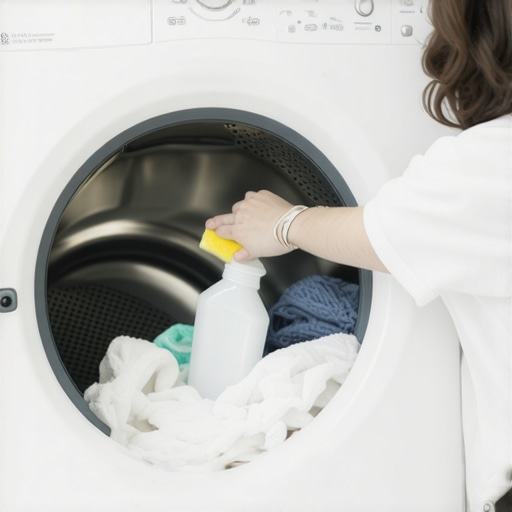
It was a morning just like any other when I opened my laundry room door and was greeted not by the fresh scent I expected, but by a persistent, musty odor emanating from my top-load washing machine. I had always thought, “It’s just a machine—how bad can it really be?” But that smell was impossible to ignore, and it made me wonder: how many times had this unseen problem been silently lurking in my home? The realization hit me hard. If I, an enthusiast of smart home appliances, was dealing with this, chances are good you’re facing the same issue—and you might be feeling frustrated, unsure of how to tackle it without resorting to harsh chemicals or professional help.
Why That Musty Smell Is More Than Just an Annoyance
Many homeowners overlook the importance of regular cleaning for their washing machines, especially top-load models. Over time, soap scum, mold, and bacteria can accumulate, creating that unpleasant odor we dread. Not only is this smell disgusting, but it can also impact your clothes and even your health. According to the Environmental Protection Agency, mold exposure can lead to respiratory issues and allergic reactions, making it essential to keep your appliances clean and odor-free.
Is Cleaning Your Washer Worth the Effort or Just a Trend?
Early in my journey, I made the mistake of thinking that running a quick cycle with just hot water was enough to keep my washer fresh. Spoiler alert: it wasn’t. That mistake delayed me from discovering a simple, effective method that actually works—one that I wish I had learned about sooner. The good news? You don’t need pricey cleaning agents or complicated tools. With a few common household items, you can restore freshness to your washer and enjoy a cleaner, healthier laundry experience. Ready to banish that stubborn odor for good? Let’s dive into the practical steps that turned my laundry room from musty to magnificent. If you’ve ever faced this problem, you’re in the right place to finally get it under control. Want more smart tips? Check out our comprehensive guide on [how smart washing machines can simplify laundry day](https://smartappliancereview.com/how-smart-washing-machines-can-simplify-laundry-day) for ideas to keep your appliances running at their best.
Start With an Empty Drum and Pick Your Cleaner
Before tackling odor issues, ensure your washing machine is empty of clothes. Choose a cleaning agent—white vinegar is a natural, effective option. Don’t just splash some vinegar; measure about two cups and prepare for a thorough clean.
Run a Hot Water Cycle with Vinegar and Baking Soda
Think of your washing machine as a stubborn carpet that needs heavy-duty cleaning. Fill your machine with hot water—this acts like a steaming bath for your appliance. Add two cups of vinegar along with half a cup of baking soda. This combo breaks down soap scum, mold, and bacteria, much like how a powerful detergent would, but natural and chemical-free. When I performed this, I placed a bucket to catch water because my machine’s gasket was especially grimy—be prepared for some mess but expect results.
Let the cycle run fully to let the mixture circulate and do its work
After the cycle completes, open the lid and check for lingering residues or gummy build-up around the gasket and drum. Use an old toothbrush to scrub those hard-to-reach spots, much like cleaning grout in tiles. This process is akin to giving your appliance a deep spa treatment. For extra freshness, repeat this cycle monthly to prevent odors from returning.
Clean the Detergent Dispenser and Door Seals
Imagine your washing machine as a smart home hub communicating with its environment. Dust and grime can hide in the detergent dispenser and door seals—areas often overlooked. Remove the detergent drawer, soak it in hot vinegar solution, and scrub with an old toothbrush until clear. Wipe the seals with a cloth dampened in vinegar solution, paying close attention to folds where mold likes to hide. A quick demonstration in my laundry room revealed mold and soap residue packed into the seal, which, once cleaned, noticeably reduced odors.
Dry and Ventilate for Freshness
After cleaning, leave the door open for several hours to allow air circulation—this essential step prevents mold from regrowing. Think of it as letting your appliances breathe freely, akin to airing out a room. If your laundry area is poorly ventilated, consider installing a small exhaust fan or using a dehumidifier, especially in humid climates, much like a smart home monitoring air quality. Regularly doing this will keep odors at bay and ensure your washer stays fresh, healthy, and smart-friendly.
Many homeowners adopt a simplistic view of their home appliances, believing that once installed, they require minimal attention. However, this mindset often leads to overlooked maintenance and, ultimately, decreased appliance lifespan. One widespread misconception is the idea that smart appliances exclusively serve luxury or convenience rather than offering meaningful performance benefits. In reality, devices like smart washing machines and refrigerators are designed with sophisticated sensors and adaptive algorithms that optimize energy usage and operational efficiency. Failing to understand these nuances means missing out on substantial savings and longer-lasting appliances, as highlighted in industry analyses by experts at [Smart Appliance Review](https://smartappliancereview.com/ultimate-guide-to-smart-home-appliances-for-a-modern-living). Consider, for example, the belief that high-tech features are merely gimmicks; in truth, innovations like AI-powered dishwashers can detect load size and soil level, adjusting cycles accordingly—saving water and energy. However, many users neglect firmware updates, leading to reduced functionality or compatibility issues—a trap that can be avoided by routine maintenance and staying informed. If you ignore these subtleties, you might be sabotaging your appliances’ potential. For instance, pushing a refrigerator to operate at excessively low temperatures to ensure coldness might save a few degrees but risks freezing food and increasing energy consumption. Instead, understanding the optimal settings and the appliance’s inner workings leads to better performance and longevity. Advanced users know that component-specific issues, such as a misaligned door seal or clogged filters, significantly impact efficiency. Regular inspection and cleaning can prevent costly repairs, yet many overlook these simple tasks. This oversight stems from a lack of knowledge about the critical internal mechanics of these devices. Furthermore, in the context of smart appliances, many think that connectivity is a bonus rather than a core feature. Proper integration with home networks allows remote diagnostics and proactive maintenance alerts, preventing larger failures. Conversely, neglecting network security exposes devices to hacking, a risk emphasized by cybersecurity experts. By understanding these advanced aspects and avoiding common myths, homeowners can realize the full potential of their appliances, maintaining efficiency, safety, and value. Want to dive deeper into optimizing your smart home ecosystem? Check out our guide on [smart appliances revolutionizing modern living](https://smartappliancereview.com/ultimate-guide-to-smart-home-appliances-for-a-modern-living). Remember, the key is not just in choosing the right device but in mastering its correct operation and upkeep. Have you ever fallen into this trap? Let me know in the comments.Keeping your smart appliances in top shape requires more than just occasional cleaning. I personally rely on a combination of high-quality tools and disciplined routines to ensure my washing machine, refrigerator, and dishwasher continue performing optimally. For instance, I swear by using a digital inspection mirror and a flexible.5-inch inspection camera to check behind and beneath appliances—these tools help me identify hidden issues like loose fittings or buildup that typical visual inspections might miss. Regular firmware updates are another crucial step. I schedule monthly checks on my smart devices, using manufacturer apps or dedicated maintenance software, to ensure they run the latest firmware versions. According to industry experts, staying up-to-date not only enhances performance but also patches security vulnerabilities, which is critical as our appliances become more connected.
How do I maintain my appliances over time? Plan routine deep cleans, keep firmware current, and monitor for abnormalities—small efforts that extend lifespan and efficiency.The Hardest Lesson I Learned About Smart Appliances
Never assume that your appliances will remain trouble-free without regular maintenance. I once ignored firmware updates for my smart washing machine, only to find it disconnecting mid-cycle frequently, causing frustration and incomplete washes. That taught me the importance of staying current with updates to ensure optimal performance and security.
3 Myths About Home Appliances That Held Me Back
Believing that high-tech features are gimmicks led me to overlook the true potential of my smart refrigerator’s adaptive cooling system. When I finally understood these intelligent functions, I improved energy efficiency and food preservation, saving money and reducing waste.
What Industry Experts Know About Lifespan and Efficiency
Experienced professionals emphasize routine component checks, like inspecting door seals and cleaning filters, to extend appliance lifespan. Skipping these simple steps can cause bigger problems down the line, but stay consistent and you’ll enjoy reliable performance for years.
Curated Recommendations for Smarter Maintenance
For deep insights into appliance care, I recommend visiting this comprehensive guide. It offers expert advice on maintaining all your smart appliances. Also, tools like a digital inspection camera (trusted for their clarity and ease of use) help me spot hidden issues behind appliances, preventing costly repairs. Lastly, subscribing to manufacturer update alerts ensures your devices stay secure and up-to-date, which I personally find invaluable.
Build a Routine That Transforms Your Home
Taking ownership of your appliance maintenance might seem daunting at first, but incorporating small, consistent actions can make a huge difference. Regularly cleaning filters, checking for updates, and inspecting seals isn’t just practical—it’s empowering. Remember, your appliances are high-tech friends that deserve love and attention. When you invest in their care, you’re not only extending their lifespan but also creating a safer, more efficient home environment. So, why wait? Start ticking off these simple steps today and experience the difference firsthand. What’s one maintenance task you’ve been putting off but know would make a big impact? Share below and let’s motivate each other to keep our homes running smoothly.