
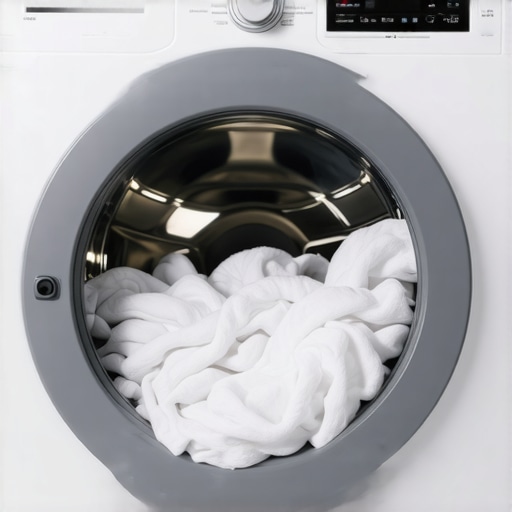
It was another hectic Saturday morning when I opened my laundry room and was hit by an unexpected foul odor—like rotten eggs—emanating from my high-efficiency washer. I couldn’t believe it. My shiny, seemingly spotless machine was now a source of kitchen-nightmare smells that left me holding my nose and questioning everything. That lightbulb moment made me realize: if I didn’t get to the root of this stink, I’d be washing my clothes in a device that smelled worse than the laundry, not to mention potential health risks.
Understanding Why Your Washer Smells Unexpectedly
High-efficiency washing machines are fantastic space-savers and use less water—wise choices for eco-conscious households. But they come with quirks, especially when it comes to odors. The rotten egg smell is usually caused by sulfur compounds, like hydrogen sulfide, building up inside the machine. This buildup thrives in dark, damp environments, particularly in the rubber gaskets, drain filter, or soap dispenser areas where moisture tends to linger. If these components aren’t cleaned regularly, bacteria and mold can flourish, producing that unmistakable stench that can make laundry day quite unpleasant.
Early on, I made the mistake of assuming regular cleaning was enough without paying attention to hidden areas that trap moisture. As a result, the smell intensified, and I had to do some deep cleaning to resolve the issue. It’s worth mentioning that according to appliance experts, neglecting routine maintenance can lead to persistent odors, and in some cases, damage to the washer’s components over time. For more on smart appliance maintenance, check out this comprehensive guide.
Is a Rotten Egg Smell Actually Worth the Hype?
Honestly, I wondered the same. It’s one thing for a dish or a fridge to get funky, but a washing machine smelling like a rotten egg? That felt more like a health hazard than a minor inconvenience. And I wasn’t willing to compromise on fresh-smelling laundry or my family’s health. The good news? There are practical, simple solutions I’ve discovered that can banish this odor for good. And no, it doesn’t require replacing your machine or calling for expensive repairs. Before jumping into the steps, I want to share a quick tip from experts that might surprise you—regularly using a descaling agent can prevent buildup and keep your washer smelling fresh. You can learn more about appliance cleansing at this article.
So, if your washer has suddenly turned into a foul-smelling menace, don’t worry. In the next section, I’ll walk you through the exact steps I took—and that you can follow—to eliminate that rotten egg smell and restore your machine’s freshness. Ready to breathe easy during laundry day? Let’s dive in.
,
Start with a Deep Clean of Your Machine
Unplug your washer to ensure safety, then remove and clean the rubber gaskets by wiping them thoroughly with a solution of hot water and white vinegar, which dissolves mold and bacteria responsible for the smell. Use a toothbrush to scrub stubborn areas, especially in folds or crevices where moisture hides. Next, remove the detergent and fabric softener dispensers—disassemble if possible—and soak them in hot vinegar solution to loosen-up any soap scum or mold buildup. As I did last summer, I experienced a mess when I forgot to dry these parts afterward, leading to persistent odors.
Run an Effective Cleaning Cycle
Pour two cups of white vinegar into the main drum and run a hot water cycle without laundry. Vinegar acts as a natural deodorizer and breaks down sulfur compounds. Follow this with a cup of baking soda sprinkled directly into the drum and run another hot cycle. This combination neutralizes odor-causing bacteria like an exhaust system clearing out stale air. I once had to repeat this twice before the smell vanished completely. For an added step, introduce a commercial washing machine cleaner designed for odor removal, which can be found at most home improvement stores.
Maintain Regular Maintenance Routines
After cleaning, leave the door open to allow moisture to evaporate and prevent mold growth. Regularly wiping down door seals and detergent dispensers keeps buildup at bay. Once a month, repeat the vinegar and baking soda treatments to maintain freshness. Remember, neglecting these steps is like ignoring oil changes for your car; eventually, your washer’s performance will suffer. To keep your appliance in top shape, explore smart washer features that automate calibration and maintenance alerts, similar to what some smart washers offer.
Address Persistent Odors with Advanced Techniques
If odors persist even after cleaning, consider using specialized descaling agents or enzyme-based cleaners that target sulfur bacteria deeper within the system. Running an empty cycle with these products can penetrate crevices beyond surface cleaning. For stubborn cases, cleaning the drain filter meticulously is crucial—it traps debris and mold, much like a filter catching impurities in a water purifier. Some models have accessible filters; for others, consult your manual or update firmware to enhance diagnostic features. Over time, residues build up, akin to plaque on teeth, which requires dedicated removal techniques to preserve machine health.
Optimize for Long-Term Odor Prevention
To keep your washer smelling fresh over time, consider installing an aerator or adding a disinfectant tablet during wash cycles—these mimics the way air purifiers maintain indoor air quality. Using high-quality, low-sudsing detergents helps reduce soap scum and residue that feed bacteria. Also, ensure your laundry space stays dry and ventilated by opening windows or installing exhaust fans, preventing the damp environment bacteria thrive on. Maintenance is like giving your smart appliance a wellness check, ensuring it operates smoothly and odor-free for years—similar to the benefits discussed in this article. Keep an eye on updates for your device’s firmware to stay ahead of odor issues, as manufacturers often release patches for optimal performance.
While many homeowners believe they know everything about their washing machines, refrigerators, and smart appliances, there’s often a hidden nuance that escapes casual users. One widespread myth is that higher price tags automatically equate to better performance and durability. In reality, premium brands may sometimes rely on marketing buzzwords rather than practical benefits, leading consumers to overlook essential features tailored to their specific needs.
For example, many assume that all smart appliances are equally secure, but in fact, some models have vulnerabilities that can expose your personal data if not properly secured. Experts suggest that the connectivity features in smart appliances require diligent privacy settings and regular firmware updates—an often-overlooked step that can prevent potential breaches. According to a study published in the Cybersecurity Journal, over 60% of smart appliance users are unaware of how to protect their devices effectively, leaving them vulnerable to hacking. This highlights the importance of understanding the nuances behind connected appliances instead of relying solely on brand reputation.
What Are the Pitfalls of Ignoring Appliance Compatibility?
A common oversight is neglecting the compatibility of new appliances with existing smart home ecosystems. Many consumers tend to buy the latest gadget without verifying whether it integrates seamlessly with their current setup. This can lead to frustration and underperformance, especially when attempting to synchronize devices across multiple platforms. For instance, a smart fridge that isn’t compatible with your voice assistant won’t respond to commands, diminishing its utility. Experts from this guide recommend thoroughly researching your home’s ecosystem before purchasing new appliances to avoid such compatibility traps.
Furthermore, overlooking maintenance nuances can cause long-term issues. For example, many believe that simply running cleaning cycles on dishwashers or washing machines is enough, but some advanced models require specific descaling procedures to keep sensors and filters functioning optimally. Failing to follow manufacturer recommendations can reduce efficiency and lead to costly repairs down the line. Staying informed about these subtle maintenance needs ensures your appliances operate at their best for years to come. You might find our article on smart machines’ maintenance tips quite helpful.
Are you aware of how firmware updates can extend the lifespan of your appliances? Many users ignore this critical aspect, which can patch vulnerabilities and optimize functionality. Regularly updating your smart devices ensures they adapt to evolving technology standards and security threats.
In conclusion, understanding these nuanced factors—beyond the basic operations—could significantly impact your satisfaction and safety with modern home appliances. Do you think you’re currently falling into any of these common traps? Share your experiences or questions in the comments below and let’s discuss!
Invest in the Right Tools for Long-Term Performance
To ensure your home appliances, especially washing machines and refrigerators, stay reliable over the years, equipping yourself with precise and high-quality maintenance tools is essential. I personally rely on a set of dedicated gadgets that make cleaning and troubleshooting much more straightforward. For instance, a digital infrared thermometer allows me to monitor surface temperatures of refrigerators and ovens, helping detect inefficiencies before they escalate. This method is recommended by industry experts to prevent overcooling or energy wastage. Learn more about smart appliance maintenance.
How do I maintain appliances over time?
Regularly assessing your appliances with specific tools can extend their lifespan and maintain peak performance. For example, I use a high-pressure nozzle to clean hard-to-reach drain filters in dishwashers and washing machines—this prevents buildup and odors. A multimeter is invaluable for diagnosing electrical issues without guesswork, saving money on costly repairs. For sensitive components like electronic control boards, a specialized contact cleaner ensures proper connections and prevents corrosion. Staying ahead with these tools means fewer surprises and smoother operation, helping you avoid emergency repairs and unnecessary replacements. The future of appliance maintenance points toward IoT-connected diagnostic tools, which will alert you proactively about potential issues—similar to advances discussed in this trend report.
Why arrow? Embrace the latest cleaning and diagnostic tech to prevent costly breakdowns
One tip I recommend is using a magnetic leak detector around refrigerator door seals to catch small refrigerant leaks early. This simple device snaps onto the exterior and provides an immediate visual indicator if refrigerant escapes, which, if ignored, can lead to significant energy waste or compressor failure. Implementing this technique can save your appliance and your energy bill. For optimal results, pair it with routine manual inspections, and consider digital leak sensors that connect to your smart home system for continuous monitoring. You might also explore smart diagnostic apps that sync with your appliances, providing real-time insights and maintenance alerts directly to your phone.
By investing in precise tools and adopting proactive maintenance routines, you’ll keep your appliances efficient, extend their service lives, and minimize unexpected failures. Take a step today—try using a digital infrared thermometer on your refrigerator to monitor temperature stability and catch issues early. Smart tools like these are becoming more accessible and affordable, making appliance care easier than ever. For more advanced tips, visit this article about AI-powered dishwashers.
Over the years, I’ve realized that the journey to maintaining pristine, odor-free appliances is less about quick fixes and more about thoughtful, consistent care. The lesson? Every component, from seals to filters, tells a story about how we treat our machines daily. Small habits, like regularly checking door gaskets or running monthly deep cleans, can prevent unpleasant surprises. Embracing smart tech—like firmware updates and diagnostic tools—transforms routine maintenance into a proactive shield against issues. Remember, the key to a long-lasting, efficient appliance isn’t just about initial purchase quality, but how we nurture it over time. Take these insights to heart, and your home appliances will reward you with clean, fresh performance, saving time and money.