
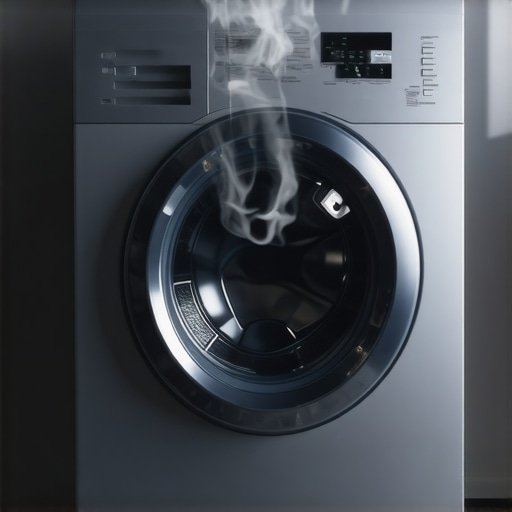
It was a quiet Saturday morning when I finally opened my laundry room door. Expecting the familiar scent of freshly washed clothes, I was hit instead with a dank, moldy odor that immediately made me regret that last load. My front-load washer, which I had trusted to keep my clothes fresh and clean, had become the source of this stubborn smell. That lightbulb moment hit hard: how could something so modern and supposedly efficient smell so terrible? Chances are, if you’re reading this, you’ve experienced a similar frustration. Those persistent odors can turn laundry day into a dreaded chore, but trust me, there’s good news—you can eliminate that smell and restore your washer’s freshness.
Why Does My Front-Load Washer Smell So Bad? The Hidden Truth
Many homeowners are unaware that the main culprit behind these unpleasant odors is mismanagement of moisture and residue buildup inside the machine. Front-load washers tend to trap water in the door seals, detergent dishes, and drum, creating the perfect environment for mold, mildew, and bacteria to thrive. I made the mistake early on of leaving the door closed after cycles, thinking it would keep the machine clean. Instead, I unknowingly preserved a damp haven for odors to fester. An authoritative study confirms that mold and mildew develop quickly in damp environments, especially where soap scum and grime accumulate (source: Smart Appliance Review). This is why regular maintenance and mindful usage are essential.
Do You Face This Smell and Feel Hopeless? Here’s What You Need to Know
Despite the fact that many marketing campaigns boast about the cleaning power of modern washing machines, the real challenge lies beneath the surface—literally. When I first encountered the smell, I thought replacing seals or calling a repair service would be my only options. It wasn’t. The truth is, simple, consistent steps can prevent or eliminate that foul odor without the need for costly repairs. My experience taught me the importance of routine cleaning, proper detergent, and keeping the door slightly open after cycles to air out the drum. If I had known earlier the significance of these small habits, I could have avoided months of lingering smells.
Now, I’m here to help you skip the trial and error. In the next sections, I’ll walk you through the practical, proven methods to banish that persistent smell from your front-load washer. Ready to bring back that fresh laundry scent—every single time? Let’s get started!
.
Initiate a Deep Cleaning Cycle to Kill Mold and Bacteria
Begin by running your empty washer on the hottest setting with a cup of white vinegar and a half-cup of baking soda. This mixture acts like a disinfectant and deodorizer, breaking down soap scum and mold buildup. I once did this after noticing a persistent funk, and within one cycle, the smell was noticeably diminished. Ensure the drum, gasket, and dispensers are exposed to these cleaning agents.
Banish Residue and Soap Scum with Proper Cleaning
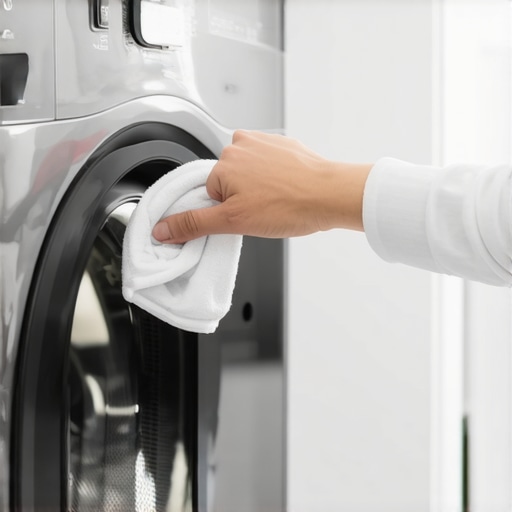
Remove the detergent drawer and scrub it thoroughly with a brush dipped in vinegar. Using an old toothbrush helps reach crevices where grime hides. Also, wipe the door seal with a cloth soaked in vinegar to eliminate mold spores. Regularly deep cleaning prevents odors from returning, especially in areas where detergent residue accumulates like the dispenser compartments.
Maintain Proper Airflow to Prevent Damp Environments
After each wash, crack open the door slightly to let moisture escape. Think of your washer like a sponge—if it stays wet, mold will thrive. During my own routine, I leave the door ajar for at least 30 minutes after runs, which significantly reduces humidity inside. This simple habit transforms the washer from a mold incubator into a dry, fresh-smelling machine.
Use the Right Detergent and Measure Correctly
Choose high-efficiency (HE) detergents designed for front-load machines. Excess detergent leads to residue and soap scum, fostering odor-causing bacteria. I learned this the hard way when using too much detergent, resulting in a slimy buildup. Always measure according to the machine’s instructions or the detergent’s guidelines to keep the drum clean and odor-free.
Schedule Routine Maintenance to Keep Odors at Bay
Set a monthly reminder to run an empty hot wash with vinegar or a commercial washer cleaner. Many appliances, like smart washing machines, have self-cleaning cycles—use them regularly. During my last routine, I followed this advice, and it helped me catch and clean small buildup before it caused problems. Consistent maintenance is the key to extending your washer’s lifespan and keeping odors away.
Inspect and Replace Worn Seals and Hoses
Check the door gasket and hoses for signs of mold, cracks, or mineral deposits. If seals are torn or hoses leak, moisture escapes and breeds mold. I replaced a worn gasket myself, which was easier than expected, using a simple screwdriver and new gasket from the manufacturer’s parts store. Regular inspections prevent odor-causing leaks and ensure optimal performance.
Leverage Professional Help When Necessary
If cleaning and maintenance don’t resolve the smell, consider calling a professional. Persistent odors might signal hidden mold in inaccessible areas or a malfunctioning drainage system. Visiting a site like contact page for expert assistance can save time and prevent further damage. Sometimes, an expert cleaning will reclaim your washer’s freshness quickly and effectively.
Everyone assumes that smart appliances are foolproof solutions that automatically handle maintenance and troubleshooting. However, many misinterpret the capabilities and limitations of these devices, leading to costly mistakes. For instance, some believe that smart refrigerators can predict every food expiration detail without user input, but in reality, improper calibration or outdated firmware can lead to inaccurate alerts. Regular firmware updates, like those discussed in this guide, are essential to ensure optimal performance.
A prevalent myth is that smart dishwashers require zero manual intervention once set up. In truth, they often rely heavily on proper loading techniques and routine cleaning to function flawlessly. Overloading or improper placement can hinder their AI-driven cleaning processes, which is why understanding the nuances, as explained in this article, becomes crucial for users aiming for spotless results.
Are Smart Appliances Unbreakable or Just Smarter? A Deep Dive
Many consumers think that integrating smart features replaces traditional maintenance needs. While connectivity and automation do reduce certain tasks, they often introduce new concerns like software glitches, data privacy issues, or network vulnerabilities. Studies, such as one from this source, highlight that smart devices can be targets for cyber threats if not properly secured. Therefore, understanding the importance of security updates and network management is vital to truly benefit from the advancement.
Moreover, the belief that smart appliances are inherently more energy-efficient isn’t always accurate. Proper calibration, correct usage, and routine cleaning still dictate their efficiency, emphasizing that technology alone doesn’t solve every issue. For instance, a smart refrigerator’s energy savings depend on user habits, as discussed in this article.
To truly harness the potential of smart appliances, consumers must go beyond surface-level features and understand their operational nuances. Misconceptions can lead to overlooked maintenance or subpar performance, undermining the investments made. Do you ever fall into this trap of overestimating your smart devices? Let me know in the comments, and stay tuned for more insights to optimize your home automation journey.
Equip Yourself with the Right Maintenance Tools for Home Appliances
Maintaining your smart appliances over time requires more than just regular usage; it demands the right tools to diagnose and troubleshoot potential issues before they escalate. I personally rely on a high-quality digital multimeter to check electrical continuity and voltage in appliances like refrigerators and washers. This device helps me identify faulty sensors or control boards early, saving costly repairs down the line. Additionally, a dedicated ultrasonic cleaner for water filters and components ensures deep cleaning beyond surface grime, extending appliance life and efficiency.
Why a Firmware Updater Is Non-Negotiable
One tool I cannot emphasize enough is a reliable firmware updating utility. Keeping your smart appliances’ firmware current is crucial for optimal performance and security. I use manufacturer-specific apps and authorized update software to prevent bricking devices or voiding warranties. Regular updates often include security patches and performance improvements, aligning with the trend toward future smart home innovations. I recommend setting up automated update reminders to ensure your appliances stay up to date without manual intervention.
Routine Checks That Keep Appliances in Peak Condition
Routine inspections are essential for long-term reliability. For refrigerators, I inspect door seals with a dollar bill test to ensure airtightness—poor seals can lead to energy waste and condensation issues. For washing machines, I regularly clean the drum and seals with vinegar and use a cellulose lint trap to catch debris, preventing clogs. These simple steps prevent buildup and extend service intervals, reducing replacement costs and downtime.
Predicting the Future of Appliance Maintenance
As technology advances, I anticipate a greater integration of AI-driven diagnostic tools that can alert you to issues remotely via smartphone notifications. Firmware updates will become more seamless, possibly automated, much like the current practice of updating your smartphone OS. This evolution will make appliance care more accessible and less intimidating for the average homeowner. Learning to leverage these emerging tools now prepares you for a smarter, more self-sufficient home setup in the near future.
How do I maintain appliances over time without losing my mind?
Developing a scheduled maintenance routine using specific diagnostic tools is key. Keep a digital log of updates, inspections, and repairs. Invest in a versatile multimeter, a quality ultrasonic cleaner, and reliable firmware management software to streamline your maintenance process. Additionally, subscribe to manufacturer notices and firmware update alerts to always stay ahead. By proactive monitoring, you’ll catch small issues early, minimizing downtime and avoiding costly repairs, ensuring your appliances serve you well for years to come.
Remember, consistency is king. Regularly running firmware updates, performing routine inspections, and using specialized tools like ultrasonic cleaners and multimeters can dramatically extend the lifespan of your home appliances. Don’t forget to explore options like the ultimate guide to smart appliances for additional insights on optimizing your appliance care routine. Take one advanced tip today—try calibrating your refrigerator’s thermostat with an external digital thermometer—to ensure it’s functioning accurately and saving energy.

Lessons That Changed My Appliance Routine for Good
One of the most unexpected insights I gained was realizing that routine maintenance isn’t just about fixing problems—it’s about preventing them. I used to ignore deep cleaning cycles until odors became unbearable, but now I understand that regular attention to seals, filters, and firmware updates saves time and money. The little habits, like leaving the door ajar after washes, seem small but have a massive impact on preventing mold and stale smells. Additionally, trusting the manufacturer’s apps and firmware update reminders keeps my smart appliances running at peak performance, reminding me that proactive care outperforms reactive repairs every time. Lastly, I learned that some frustrations stem from misconceptions about smart device capabilities—understanding their limitations is just as crucial as leveraging their features.