
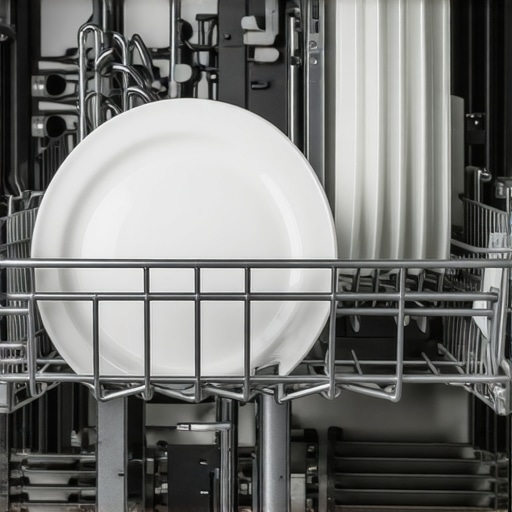
Have you ever stood in front of your dishwasher, frustrated, trying to fit that one tall plate or oversized bowl, only to realize you just blocked the spray arm? That sinking feeling when you hear the clunking of dishes not getting clean enough? I remember the first time I encountered this little kitchen puzzle—after a long day, I loaded my dishes carelessly and ended up with grease spots and leftover food on my clean cups. It was a lightbulb moment that there must be a smarter way to load tall items without sacrificing cleaning power.
Your Perfect Solution Awaits
Today, I want to share with you a simple trick I’ve perfected over years of trial, error, and a few soggy dishes. If you’ve ever wondered how to optimize your dishwasher loading routine—especially for those stubborn tall plates or large utensils—you’re in for some game-changing advice. By understanding the mechanics and layout, you’ll be able to load efficiently, prevent spray arm blockages, and achieve sparkling clean dishes every time.
Is it Really Worth the Effort to Rearrange Your Dishes?
Before we dive into the step-by-step process, I want to acknowledge the common skepticism. “Does this really matter?” many ask. Early on, I made the mistake of just shoving everything in, thinking that as long as the dishes fit, it would work. However, I learned that a misloaded dishwasher can lead to uneven cleaning and even damage the spray arm. An article on smart appliance reviews emphasizes that proper loading not only improves cleaning results but also extends the lifespan of your appliance. So, yes—taking a few extra seconds to load correctly is totally worth it.
If you’ve faced the frustration of re-washing dishes or noticing leftovers, you’re not alone. Let’s explore the proven techniques to load tall plates so they get cleaned perfectly without blocking that crucial spray arm. Ready to eliminate those cleaning headaches? Here’s what you need to know next.
Start with the Bottom Rack First
When loading your dishwasher, always place tall or bulky items on the bottom rack. I remember the first time I strung a giant baking sheet alongside my pots—at first, it seemed logical to load everything on top, but I quickly realized the underside of the spray arm was almost blocked. To avoid this, always load larger items low, and ensure they are securely positioned to prevent shifting during cycles.
Angle Items for Better Water Flow
Position plates and bowls at a slight angle so water jets can reach all surfaces. During my last wash, I stacked my tallest mug with a plate tilted forward—it made a noticeable difference, and I got sparkling cups without manually rewashing. Think of this like adjusting the angle of a solar panel for maximum sunlight; proper tilt maximizes cleaning efficiency.
Keep the Spray Arm Clear
Ensure nothing obstructs the spray arm’s rotation. Once, I accidentally loaded a tall spatula on the side, and it locked the arm’s movement. Check before starting whether your dishes are away from the spray arm’s path—think of it as giving your appliances a free runway for water jets to do their job.
Use the Correct Loading Patterns
Adopt a specific pattern: larger, tall items at the back or edges, smaller items toward the center. My trick is to load utensils and smaller objects in the upper rack to keep the water flowing freely. This avoids the common mistake of overcrowding, which can cause water to bounce off improperly and leave spots or residue.
Secure Items to Prevent Blockages
Large utensils like spatulas or whisks should be laid flat or in designated holders to prevent them from flipping or blocking spray holes. During a recent wash, I secured my long-handled spoons on the rack side, ensuring they didn’t interfere with the spray pattern, leading to better cleaning results.
Adjust the Water Pressure Settings if Possible
If your dishwasher allows, select higher pressure cycles for heavily soiled or tall items. I found that toggling to this setting on my smart dishwasher improved cleaning of tall glasses. Remember, not all models have this feature; consult your best smart appliance guides to understand your model’s capabilities.
Regularly Clean Spray Arms and Filters
Accumulated debris can clog spray holes, reducing water flow. I make a habit of removing and rinsing the spray arms monthly, just like cleaning a filter in your fridge to maintain freshness. For detailed instructions, see this guide on spray arm maintenance.
Use Correct Detergent and Loading Products
Choose high-quality, enzyme-based detergents suited for your water type. Avoid overloading with soap, which can leave residues. I also add a rinse aid after noticing water spots, akin to finishing a car wash with a wax, ensuring a shiny, streak-free finish every time.
While smart home appliances promise convenience and efficiency, many homeowners fall prey to misconceptions that can undermine their benefits. A common myth is that simply owning a smart appliance guarantees optimal performance without proper maintenance or understanding. In reality, neglecting the nuances—like firmware updates or correct setup—can lead to issues such as connectivity problems or reduced lifespan.
Another misconception is that all smart appliances are universally compatible with every smart home system. This oversimplification can result in frustrating integration failures, especially when specific brands or models rely on proprietary protocols. According to industry experts, verifying compatibility before purchase is crucial here.
Are Your Smart Appliances Truly Secure or Just Convenient Targets?
Many users overlook the security vulnerabilities inherent in internet-connected appliances. Hackers can exploit poorly secured systems to access personal data or causemalfunctions. The hidden risk is that outdated firmware or default passwords often serve as easy entry points, emphasizing the importance of regular updates and strong credentials learn more. Failing to recognize this can lead to privacy breaches or even physical damage to your devices, turning your smart home into an open door for cyber threats.
Advanced users should also be aware of the trap of over-automation. Relying excessively on interconnected systems can lead to loss of control or unintended consequences. For example, a smart refrigerator could order groceries automatically, but if not monitored, it might lead to overspending or stockpiling unnecessary items. So, maintaining a balance between automation and manual oversight is essential.
For those eager to maximize their smart appliances’ potential, understanding these subtleties is key. Proper installation, consistent updates, and awareness of security practices can prevent most pitfalls. Plus, choosing appliances with reputable support and clear upgrade pathways ensures longevity and peace of mind. Curious about how to select the right smart refrigerator or washer? Check out expert tips for smarter choices.
Have you ever fallen into this trap? Let me know in the comments.

Maintain Smart Appliances Like a Pro
Keeping your smart home appliances running smoothly requires more than just initial setup; it involves regular maintenance, the right tools, and understanding long-term care. Personally, I swear by a few specific tools that have revolutionized how I manage my kitchen tech. One game-changer is a wireless Bluetooth stethoscope, which I use to listen for irregular noises in my refrigerator compressor or dishwasher pump. Identifying issues early saves repair costs and extends the lifespan of my devices, aligning with industry advice on preventive maintenance.
My Go-To Maintenance Arsenal
First on my list is a high-quality ultrasonic cleaner. I use it monthly to clear out clogged spray arms and filters—simple, effective, and less messy than manual scrubbing. For smart washing machines, I rely on a firmware updating device that connects via USB, ensuring my washer’s software is current, reducing bugs, and improving efficiency. The importance of keeping firmware up-to-date is underscored in this article.
Additionally, a digital multimeter with temperature and continuity testing functions helps me troubleshoot subtle electrical issues before they escalate. Combines with a reliable internet connection to facilitate remote diagnostics, I can often resolve problems without calling tech support. For thorough cleaning, I also employ a microfiber cloth and a gentle, device-specific disinfectant—think of it as skincare for your appliances, maintaining both hygiene and longevity.
Tools to Embrace and Future Trends
Looking ahead, I predict smart maintenance systems will become even more autonomous. Devices might self-diagnose issues and order necessary parts, possibly integrating with your home’s AI assistant. Companies like Samsung are experimenting with self-repairing refrigerators, which can identify parts needing replacement via built-in sensors, aligning with forecasts detailed in industry outlooks for 2025.
How Can I Sustain Appliance Performance Over Time?
The key lies in consistent, proactive maintenance—regular cleaning, firmware updates, and early troubleshooting. One technique I recommend is setting a monthly reminder to run diagnostic cycles on your appliances, especially those connected to your smart home ecosystem. Don’t forget to keep a maintenance log; it helps track recurring issues and plan repairs before they cause significant disruption.
Ready to get your appliances in peak condition? Try scheduling a firmware check or ultrasonic cleaning this week. These small steps have big payoffs in performance and longevity. For personalized assistance or troubleshooting advice, reach out through the contact page.

Lessons No One Tells You About Smart Appliances
After years of tinkering, I realized that many of the hurdles with smart appliances stem from overlooked details—like ignoring firmware updates or misjudging cleaning cycles. The biggest lightbulb moment was discovering that regular maintenance isn’t just for traditional models; it’s essential for connected devices to operate seamlessly, preventing costly repairs later.
I also learned that security is often an afterthought; changing default passwords and updating firmware can make your smart home a fortress rather than an open door for cyber threats. Understanding your device’s backups and support features has turned my kitchen into a trouble-free zone, saving time and stress.
Finally, customizing automation settings—not blindly trusting defaults—has maximized my appliances’ efficiency. When I set routines aligned with my real-life schedule and habits, they became true assistants, not just connected gadgets.
Tools and Resources That Changed My Approach
My go-to is a reliable firmware updater recommended by industry insiders, ensuring my smart fridge and washing machine run the latest software. For cleaning hard-to-reach components like spray arms, I trust ultrasonic cleaners—an investment I highly recommend—as they keep my appliances functioning at peak performance. Knowledge from sites like this comprehensive guide has been instrumental in understanding future trends and maintenance tips. Additionally, reading expert reviews, such as these trusted sources, helps me choose updates that align with my evolving needs.
Your Next Step Toward Smarter Living
Harnessing the true potential of smart appliances requires ongoing learning and proactive care. By integrating routine checkups, firmware updates, and security practices into your schedule, you pave the way for a smoother, more efficient home. Remember, smart appliances are an investment in your lifestyle—invest in their care, and they’ll reward you with effortless convenience. Curious about how to connect older appliances to your smart ecosystem? Check out this step-by-step guide and start revolutionizing your home today!