
It was a busy Saturday afternoon when I opened my freezer door, and a cascade of ice cubes and frozen mystery meals tumbled out. I had no idea what was lurking in the shadows, buried under layers of frost and forgotten chicken breasts. That moment was a eye-opener. How could I have let my freezer become a cluttered, unmanageable mess? I knew I needed a change, and from that day on, I committed to mastering the art of freezer organization for meal prepping.
Why a Well-Organized Freezer Changes Everything
As someone who loves preparing meals in advance, I quickly realized that an organized freezer isn’t just about cleanliness—it’s about saving time, reducing waste, and making healthy eating effortless. When your freezer is chaos, you end up wasting food, spending precious minutes hunting for ingredients, and occasionally tossing out freezer-burned leftovers. But when it’s neat, with everything visible and accessible, meal prep becomes a breeze—less stress, more flavor, and less money thrown away.
Imagine opening your freezer and immediately spotting that bag of pre-chopped veggies or the batch of homemade soup you cooked last month. It’s like having a personal assistant, guiding you straight to what you need. Plus, according to a recent survey, households waste about 31% of their food annually, much of which ends up in the freezer. Proper organization can dramatically cut that waste, saving you money and helping the environment. Want to stop wasting those precious ingredients? Keep reading—to transform your freezer into a meal prep powerhouse!
Is Freezer Organization Really Worth the Effort?
I used to think that simple stacking was enough. I’d cram everything in haphazardly, hoping I’d remember what was at the bottom. Big mistake. Early on, I made the mistake of not labeling. A bag of ‘something’ turned into a mystery by the time I got around to using it. That uncertainty led to food going bad and me feeling frustrated every time I opened the door. Trust me—taking the time to organize and label isn’t just OCD; it’s a game-changer. Properly organized freezers reduce stress, save money, and make healthy eating simpler. Want to learn how to get your freezer in shape? Let’s dive into practical steps that will change the way you see those frosty shelves.
Declutter and Categorize Your Freezer Space
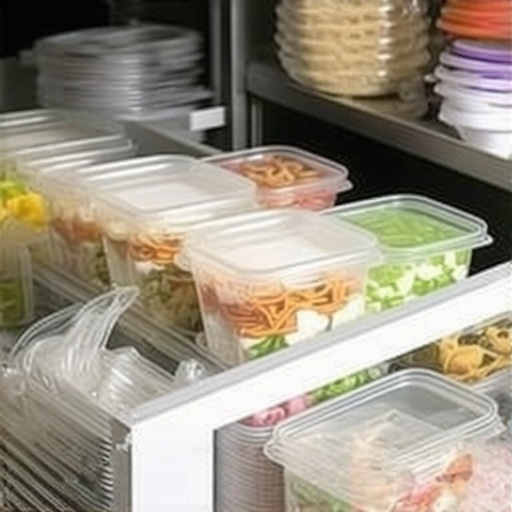
Begin by emptying your freezer and sorting items into categories like vegetables, meats, prepared meals, and snacks. I once spent an hour sorting my frozen veggies into clear containers, which made finding them during busy mornings much easier, reducing the time spent rummaging through ice-bound chaos. Use transparent bins or label fridge-safe containers to keep these groups organized.
Invest in Quality Labels and Clear Containers
Clear, stackable containers combined with waterproof labels turn your freezer into a well-illuminated pantry. During a recent overhaul, I used a permanent marker and masking tape to label each container with contents and date. This eliminates mystery bags and helps track freshness, minimizing waste and preventing forgotten meals from becoming ice sculptures.
Implement the ‘First-In, First-Out’ (FIFO) System
Adopt FIFO to use older items first. Place newer items behind older ones so that your oldest frozen foods get used before they expire. I kept a running list on my freezer door, which I updated weekly. This simple habit drastically reduced items expiring unnoticed, saving money and reducing spoilage.
Use Vacuum Sealing for Long-Term Preservation
Vacuum sealing extends the lifespan of meats and leftovers significantly. I invested in a smart vacuum sealer compatible with my home appliances, which creates airtight bags that prevent freezer burn. This is akin to giving your food a shield, ensuring it’s fresh when you need it, and condensing space by removing excess air pockets.
Create a Freezer Map and Accessibility Zones
Design a logical layout—organize items by frequency of use and size. Keep frequently used ingredients at eye level or in easily accessible zones, just like arranging a sleek kitchen with smart appliances in ergonomic spots. During my last organization session, I relocated pre-made pizzas to the front, making late-night snacks quick to grab without digging through layers of frost.
Regular Maintenance and Reorganization
Schedule monthly reviews to check for expired items and rebalance storage. Use a marker or app to note items nearing expiry to plan meals around them. This habit keeps your freezer performing optimally, much like routine maintenance on smart appliances like dishwashers and washing machines, which can be checked for firmware updates to enhance performance. Need tips on keeping your appliances in top shape? Contact us for expert advice.
Many homeowners believe they understand the basics of their appliances, but in reality, some widespread beliefs are just myths, and certain nuances can undermine your efforts to maintain and maximize efficiency. Let’s unravel some misconceptions and shed light on the often-overlooked details that can make a real difference.
One common myth is that all smart appliances automatically optimize themselves over time. While many devices incorporate learning algorithms, they still require proper initial setup and occasional manual interventions to reach peak performance. For example, smart refrigerators like those discussed in [choosing-the-right-refrigerator](https://smartappliancereview.com/choosing-the-right-refrigerator-tips-from-industry-experts) need accurate temperature sensors and user input to adapt effectively. Relying solely on automation can lead to suboptimal operation or overlooked maintenance.
Another trap that many fall into concerns cleaning routines. It’s tempting to assume that running a dishwasher efficiently means just selecting the eco mode. However, the real secret lies in proper maintenance—like periodically cleaning the spray arms and filters to prevent residue buildup and ensure optimal cleaning cycles. Advanced dishwashers with AI technology, as highlighted in [innovative dishwashers with ai technology](https://smartappliancereview.com/innovative-dishwashers-with-ai-technology-you-must-know), adapt to load patterns, but they still depend on clean spray arms for effectiveness. Ignoring this can lead to dirty dishes despite using high-tech features.
Now, let’s talk about refrigerators. A sneaky issue is the belief that frequent door-opening doesn’t matter. In reality, even a brief door unsealing causes warm air infiltrations, forcing compressors to work harder and increasing energy bills. For high-performance models, such as those detailed in [refrigerators in 2025](https://smartappliancereview.com/refrigerators-in-2025-top-features-that-transform-your-kitchen), minimizing door openings enhances efficiency and prolongs lifespan.
Ever wondered if washing machines with inverter motors are always better? While they tend to be more energy-efficient and quieter, their benefits depend heavily on correct usage and maintenance. Failing to use recommended detergents or neglecting regular cleaning of filters and door seals can diminish their advantages. For insights, see [why your high-efficiency washer requires special detergent](https://smartappliancereview.com/why-your-high-efficiency-washer-requires-special-detergent).
Beware the common misconception that home appliances demand no user involvement once set up. The truth is, many advanced devices need occasional firmware updates, manual calibration, or cleaning to operate at peak capacity. Ignoring these nuances can lead to decreased efficiency or even costly breakdowns.
So, what about the hidden details that can trip you up? For instance, many don’t realize that improper leveling of a washing machine can cause excessive vibrations and wear. Similarly, not cleaning refrigerator coils can lead to higher energy consumption, as explained in [clean dust from refrigerator coils](https://smartappliancereview.com/how-to-clean-dust-from-your-refrigerator-coils-to-save-energy).
Make no mistake: having the latest gadgets isn’t enough. Mastery comes from understanding their quirks, regular maintenance, and avoiding complacency. Want to dive deeper into these topics? I recommend exploring [future of home appliances](https://smartappliancereview.com/future-of-home-appliances-trends-to-watch-in-2025) to stay ahead.
Have you ever fallen into this trap? Let me know in the comments.
How do I maintain my smart appliances over time?
Ensuring your home appliances stay efficient and reliable requires the right tools and a consistent maintenance routine. I personally swear by using a combination of specialized diagnostic tools, firmware management software, and scheduled check-ups to keep everything running smoothly. For instance, a high-quality digital multimeter helps me quickly identify electrical issues in appliances like refrigerators and dishwashers, preventing minor problems from escalating. Additionally, I rely on manufacturer-specific apps—such as Samsung SmartThings or LG ThinQ—that allow me to monitor firmware updates and troubleshoot remotely, saving me time and preventing unexpected breakdowns.
Regular firmware updates are crucial, especially as smart appliances become more integrated with home automation systems. These updates often patch security vulnerabilities, improve energy efficiency, and add new features. I set reminders and check for updates monthly, using the corresponding apps to ensure my devices are up-to-date. For appliances that don’t automatically prompt updates, I manually download firmware from the manufacturer’s website or through the app, following their step-by-step instructions.
Keeping ventilation clean, checking door seals, and testing functions like ice maker or water filters periodically are simple yet vital practices. I also keep a detailed log—either digitally or on paper—of maintenance dates, issues encountered, and replaced parts. This habit has saved me thousands over the years by preventing major repairs. For example, cleaning refrigerator coils with a brush, as described in this guide, enhances cooling efficiency and reduces energy consumption.
Looking ahead, I predict that home appliances will continue to get smarter, with built-in diagnostic tools becoming standard. Wireless sensors and AI-powered maintenance alerts will notify homeowners of issues before they occur, empowering proactive care. Devices will also integrate more seamlessly with home management platforms, allowing remote diagnostics and scheduling repairs automatically. Staying ahead means adopting tools that can connect to these evolving features now.
What’s the best way to keep your appliances functioning long-term?
Mastering long-term appliance maintenance involves a mix of proper cleaning, timely software updates, and preventive inspections. Using diagnostic tools such as AI-enabled dishwashers can help detect issues early. Incorporate routine calibration, like resetting thermostat settings or cleaning filters, as part of your monthly cycle. Don’t neglect the importance of professional servicing—many manufacturers recommend annual inspections by certified technicians to ensure everything remains within optimal parameters. So, why not start by scheduling a firmware check or cleaning your refrigerator’s coils this week? The small effort now pays off in save energy, fewer repairs, and peace of mind.
Lessons That Changed My Approach to Smart Appliances
- Never assume that your smart refrigerator is fully autonomous; regular manual checks ensure it operates at peak efficiency and safeguard your food freshness.
- Labeling isn’t just about organization—it’s a crucial step that prevents food waste and saves money by reducing guesswork.
- Firmware updates are your best defense against security vulnerabilities and outdated features—set a reminder and stay current.
- Proper maintenance, like cleaning coils or seals, can significantly extend the lifespan and performance of your appliances.
- Understanding the nuances between different appliance models saves you from costly repairs and ensures you choose devices tailored to your lifestyle.
My Secret Arsenal for Keeping Home Appliances in Top Shape
I rely on a mix of trusted tools and resources to maintain my smart home devices. The latest AI-enabled dishwashers help me identify issues early, while professional advice from experts keeps my maintenance routine on point. Reading industry trend reports, like this forward-looking article, inspires me to adapt and optimize my appliance care practices regularly. Combining these tools ensures my appliances remain smart, efficient, and reliable, saving me money and peace of mind in the long run.
Embrace the Power of Proactive Care for Your Home
Your journey toward a smarter, more efficient home appliance setup starts today. By applying the lessons learned and leveraging the right tools, you can transform your living space into a haven of functionality and peace of mind. Don’t wait for breakdowns—invest in regular maintenance and stay informed about the latest advancements. Your home appliances are more than just gadgets; they are vital partners in your daily life. Take action now and discover the true potential of your smart home environment. Have you ever struggled with maintaining specific appliances? Share your experiences below and let’s learn from each other.