
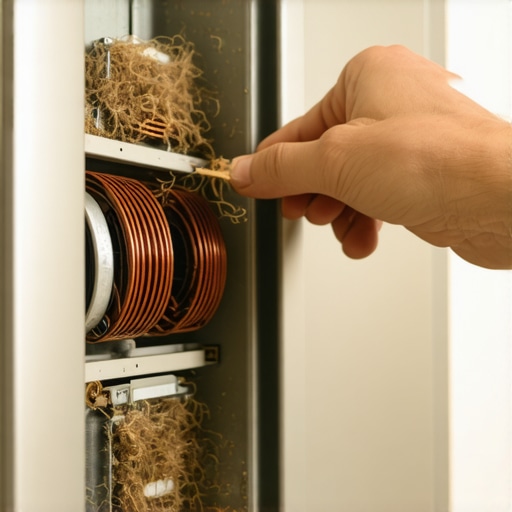
It hit me one hot summer afternoon while rummaging in the fridge—my appliance was making strange noises, and I suddenly remembered how dusty and hair-laden its coils looked. That moment was a real lightbulb! I realized I’d been neglecting a tiny but mighty part of my refrigerator, which could be quietly sabotaging its efficiency. From that day, I became obsessed with checking my fridge coils regularly, and I’ve seen a noticeable drop in energy bills and noise. Do you ever wonder if your refrigerator is secretly begging for a cleanup but you just don’t know where to start?
Why Dust and Pet Hair on Your Fridge Coils Matter More Than You Think
Understanding the importance of clean coils is crucial because dust, pet hair, and debris can quickly accumulate and insulate the coils, making your fridge work harder—and that means higher energy bills and quicker wear and tear. Honestly, I learned this the hard way early on by simply ignoring those coils and watching my power bill climb steadily. Actually, a study by the Department of Energy says that a dirty condenser coil can increase your refrigerator’s energy consumption by up to 30%—that’s no small fry! It’s like forcing your car to drag a heavy backpack everywhere. So, keeping coils dust-free isn’t just about making your fridge look tidy, it’s about saving money and extending its lifespan.
Are You Wasting Your Effort Rinsing the Same Old Way?
Early in my journey, I made a mistake I see many folks repeat: I thought just wiping with a damp cloth was enough. Nope! That’s like trying to clean your blinds with a feather duster. Without the right tools or steps, you’re not truly removing the stubborn dirt and pet hair nestled around those coils. Trust me, just doing a quick surface clean doesn’t cut it. In fact, neglecting this step might keep your fridge from performing at its best. For a comprehensive clean, I found that using a gentle brush combined with a vacuum’s brush attachment is way more effective. Want to learn the best way to keep those coils in tip-top shape? Let’s get into it.
Locate and Access Your Refrigerator Coils
First, unplug your fridge to ensure safety, then slide it out gently from the wall to reveal the back or bottom panel where the coils are located. If your model has a grill at the bottom, remove it carefully with a screwdriver. I once spent 15 minutes trying to access coils behind my old fridge, only to realize I needed to unscrew the bottom panel—so don’t rush this step.
Identify the Coil Type
Look for copper or aluminum coils either in a continuous loop or in flat, serpentine lines. Knowing your coil type helps determine the cleaning method. For example, my unit had thin copper wires, which I gently brushed with a soft brush to avoid damage.
Remove Dust and Debris Effectively
Use a coil cleaning brush or a narrow, soft-bristled paintbrush to dislodge dirt and pet hair from between the coils. I used an old toothbrush for tight spots—kind of like flossing teeth but for coils. Follow up with a vacuum cleaner fitted with a brush attachment to suck up loosened debris—this combo is far superior to just wiping with a cloth. Picture cleaning a radiator’s fins; the same principle applies. For large amounts of dust, a leaf blower set to a gentle breeze also works.
Clean Hard-to-Reach Areas
For stubborn debris lodged deep in the coils, dampen a microfiber cloth with distilled water or a mild coil cleaner and carefully wipe around the coils. Avoid using harsh chemicals which can damage the coils or venting systems. I once tried spraying a degreaser—turns out, it was too harsh and left residue, so now I stick with gentle cleansers.
Optional: Use Gentle Cleaning Solutions
If your coils are greasy or sticky, mix a small amount of mild dish soap with water. Dip a soft cloth or sponge into the solution, wring it out thoroughly, and gently clean the coils. Remember, never use abrasive scrubbers that could harm the coil’s surface. After cleaning, rinse with a damp cloth to remove soap residue.
Reassemble and Test
Once clean, dry the area with a cloth, reattach the panels, and slide the refrigerator back into position. Plug it in and listen for the usual compressor hum—noticeably quieter and more efficient if done regularly. I made this a monthly routine, which cut my energy bill noticeably. Cleaning coils this way keeps your fridge running smoothly, much like tuning up a car engine for peak performance.
Prevent Future Dust Accumulation
Keep the area around your fridge free of dust and pet hair. Installing an air purifier nearby can help reduce airborne debris settling on coils. Additionally, inspecting coils every six months and repeating this cleaning process ensures optimal operation and prolongs your appliance’s lifespan. For a more comprehensive upgrade, consider exploring top smart appliances that can notify you when coils need cleaning—see more at top smart appliances for a seamless home experience in 2025.Many homeowners operate under misconceptions when it comes to their appliances, often overlooking critical details that impact efficiency, longevity, and security. A prevalent myth is that newer smart appliances are entirely secure. However, without proper privacy settings, your device might inadvertently share personal data, as highlighted in the privacy policy at our privacy policy. Advanced users know that firmware updates are not just about new features but also vital for security patches, yet many delay or ignore these updates, risking vulnerabilities. For instance, an outdated smart fridge can become an entry point for cyber threats, illustrating why staying current is essential.
Are You Overlooking the Trade-Offs in Smart Tech Adoption?
Many believe that smart appliances automatically save energy and money. While they can optimize usage, some models prioritize features over efficiency, which can lead to unnecessary power consumption. A study by the Department of Energy confirms that improperly configured smart devices may negate their potential savings, so user education and proper setup are crucial. Furthermore, the allure of AI-powered dishwashers with real-time cycle adjustments can tempt users to over-rely on technology, ignoring simple maintenance routines. These routines, like regularly cleaning spray arms, prevent malfunctions that lead to expensive repairs. It’s easy to assume smarter means better, but sometimes the simplest manual interventions outperform complex automation.
Another overlooked nuance is appliance placement. For refrigerators and washing machines, positioning away from direct sunlight or heat sources prolongs life and maintains optimal performance. Failing to do this is a classic mistake—even tech-savvy owners occasionally overlook placement, which can result in increased energy use and faster wear. Check out the expert tips on selecting the right fridge for your space.
Have you ever fallen into this trap? Let me know in the comments.
Essential Tools for Appliance Maintenance
One of my top recommendations is investing in a high-quality digital multimeter. I use mine regularly to check the voltage and continuity in smart appliances and wiring, ensuring everything functions safely and efficiently. For cleaning, I rely on a flexible coil brush specifically designed for refrigerator coils; these tools allow me to reach tight spaces without damaging delicate components. Additionally, a compressed air canister with a long nozzle proves invaluable for clearing dust from vents and moving parts, especially in devices like washing machines and dishwashers. Combining these tools has drastically reduced repair costs and extended the lifespan of my appliances.
Software and Apps That Make Maintenance Easier
Keeping track of routine tasks is crucial. I recommend using appliance-specific apps that sync with smart devices, such as the ones offered for top smart appliances in 2025’s best smart appliances. These apps notify you when firmware updates are available or when maintenance is due, turning complex chores into simple, scheduled reminders. For example, some refrigerator apps can even diagnose connection issues or suggest calibration steps, saving you a trip to the repair shop.
Performing Long-Term Care
Consistency is key. I’ve adopted a quarterly maintenance routine that includes cleaning filters, checking seals, and updating firmware. For smart washing machines, I prioritize firmware updates, as they often include performance improvements and security patches—vital given the increasing interconnectivity of home appliances. Regularly inspecting and maintaining appliances prevents unexpected breakdowns and unpredictably high utility bills. Remember, a little effort now can deliver significant savings over time, as recommended by appliance maintenance experts. An excellent resource on this is our comprehensive guide to smart home appliances.
Scaling and Future-Proofing Your Setup
As home technology advances, integrating tools that enhance scalability remains important. I suggest investing in modular maintenance kits with interchangeable parts, which allow upgrades without full replacements. Moreover, selecting appliances compatible with emerging standards, like Wi-Fi 6 or Zigbee, ensures your setup stays relevant for years to come. Looking ahead, the trend points toward smarter, more self-maintaining devices that notify users of issues before failures occur—like a refrigerator alerting you about a potential compressor issue via an app. To stay ahead, review the 2025 appliance trends forecast for insights on upcoming innovations.
How do I maintain appliances over time without turning into a repair expert?
Implementing routine checks like cleaning filters, inspecting seals, and applying firmware updates can dramatically improve appliance longevity. Use precise tools such as coil brushes or digital multimeters for detailed diagnostics—these are my personal go-tos. Additionally, leveraging smart application alerts helps you stay proactive. For instance, I set up notifications for my smart dishwasher to remind me of cleaning the spray arms based on usage patterns. This proactive approach avoids costly repairs and ensures consistent performance. Want to see how these methods work in real life? Try using an app notification combined with a quick coil cleaning; it’s a game-changer for maintaining efficiency without costly downtime.
Remember, consistent maintenance using the right tools not only keeps your appliances running smoothly but also saves energy and prolongs their lifespan. For more detailed insights and recommended equipment, visit our contact page.
The Hardest Lesson I Learned About Smart Appliances
One of the most eye-opening moments was realizing that smart appliances demand proactive maintenance beyond regular cleaning—like firmware updates and privacy checks. Ignoring these details can turn your connected devices into security vulnerabilities or efficiency drains.
Why I Never Skip Firmware Updates Again
Updating firmware isn’t just about new features; it’s essential for security and optimal performance. I discovered that delaying updates can leave your appliances susceptible to cyber threats, compromising your data and even causing malfunctions.
The Surprising Power of Placement
Properly positioning your fridge or washing machine influences energy efficiency and longevity more than I expected. Keeping appliances away from direct sunlight or heat sources wasn’t just aesthetic—it saved energy and extended their lifespan.
My Tools for a Smarter Home
I rely on a high-quality digital multimeter and a coil cleaning brush to keep everything running smoothly. These tools, combined with smart app notifications, help me stay ahead of issues before they escalate, saving time and money.
Keep the Momentum Going: Embrace Curiosity
The journey to a smarter, more efficient home is ongoing. Consistent learning and adaptation—like exploring new appliance models and maintenance techniques—make all the difference. Dive into our recommendations and keep your home at the forefront of technology by visiting top smart appliances for 2025.