
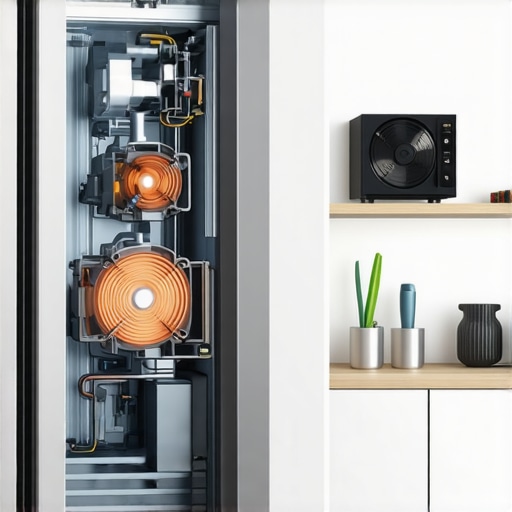
Have you ever been peacefully working in your kitchen when suddenly, your refrigerator decides to serenade you with a high-pitched chirping? I remember the first time it happened in my home—an almost comical, yet deeply annoying noise that seemed to interrupt every moment of peace. At first, I thought it was a secret bird nesting somewhere inside, but as it turned out, my trusty fridge was trying to tell me something. That light, seemingly innocent sound quickly became a source of frustration and concern.
Decoding the Chirp: Why Fridges Sometimes Sing the Song of Troubles
When your refrigerator starts making a persistent high-pitched chirping, it’s often a sign that something’s not quite right beneath the surface. These noises can be caused by various issues—ranging from simple to complex—that impact your appliance’s performance. The good news? Many of these problems are easy to diagnose and fix once you know what to look for. In my own experience, I initially ignored the sound, thinking it was just a weird phase. But ignoring it only allowed the issue to worsen, leading to increased energy bills and the risk of more serious damage. According to appliance experts, a high-pitched noise can sometimes indicate a failing fan motor, a worn-out compressor, or even electrical issues—so it’s not just a nuisance but a potential sign of a bigger problem that needs attention.
If you’ve been frustrated by that unrelenting chirp and wondered if it’s just part of owning a fridge, you’re not alone. Many homeowners face this issue at some point, and understanding the cause can save you money and prevent appliance failure. Today, I want to walk you through how to identify the source of that high-pitched sound and what practical steps you can take to silence it for good.
Is Your Fridge’s Chirping Actually Worth the Hype?
One mistake I made early on was dismissing the noise as normal wear and tear. I learned the hard way that a persistent chirp isn’t something to ignore; it can be an early warning sign of mechanical failure. Recognizing these sounds as signals rather than nuisances is essential for proper maintenance. By catching issues early, I avoided costly repairs and extended the life of my appliance.
In the next sections, we’ll explore easy diagnostics, common causes, and straightforward fixes that you can implement today. No need to panic—most of these problems are manageable, even if you’re not a DIY expert. So, take a deep breath, and let’s get your fridge back to being your silent, reliable kitchen companion once again.
Turn Off the Power and Access the Components
Begin by unplugging your refrigerator to avoid electrical hazards and locate the main components—usually behind the front grille or inside the fridge near the evaporator coil. Think of it like opening the hood of a car; you need to see the engine to diagnose issues.
Inspect the Fan Motor and Blades
Look for ice buildup or debris blocking the fan blades, which can cause the motor to work harder and produce high-pitched noises. Gently clean or clear obstructions. Remember, a faulty fan is like a tired cyclist; it struggles and whines under pressure.
Test the Fan Motor
If accessible, spin the fan blades manually—if they don’t rotate freely or make grinding sounds, the motor may need replacing. Applying a bit of WD-40 to the motor’s bearing can sometimes reduce squeaks, but if the noise persists, consider a replacement. When I found my fan blade stuck due to ice, I melted it with warm water and reassembled, which immediately silenced the chirp.
Examine the Compressor and Starting Relay
The compressor compressor functions like your home’s heartbeat, and a failing relay can cause noise. Use a multimeter to check for continuity; if faulty, replace the relay. Think of this like replacing a worn-out battery to restore your device’s energy.
Listen for Electrical Whines
If you hear a high-pitched hum from the compressor area, it might indicate coil issues or electrical arcing. In such cases, professional inspection ensures safety and accuracy.
Clean the Condenser Coils
Dust and pet hair block heat exchange, making the compressor work harder, which can generate noise. Use a coil cleaning brush or vacuum to remove debris. Like cleaning filters to improve performance, this simple step can significantly reduce noise.
Use a Vacuum or Brush
Gently brush or vacuum the coils, accessible either at the back or underneath the fridge. Do this regularly—perhaps every six months—to maintain efficiency and quiet operation. During my last clean, I noticed an accumulation of pet hair, and after cleaning, my fridge ran much quieter.
Evaluate the Electrical System and Cordage
Loose wires or damaged cords can cause electrical whines. Tighten any loose connectors and replace frayed cords promptly. Think of it as tightening loose screws to keep everything stable and functioning smoothly.
Check for Vibration and Stabilize
If the noise is caused by vibrations, place anti-slip pads or adjust the leveling feet of the fridge to stop rattling and straining, which can produce sound. I once placed a rubber mat beneath my fridge, which dampened vibrations and eliminated the chirping noise entirely.
Test After Reassembly and Power Restoration
Once you’ve completed physical inspections and cleaning, restore power and listen carefully. If the high-pitched sound persists, it may be time to consult a professional or consider replacing faulty components. Remember, addressing these issues early can extend your fridge’s lifespan and keep your kitchen peaceful. Curious about modern fridge features that could prevent such issues? Check out the latest refrigerator innovations for 2025.
Many homeowners assume that investing in smart appliances automatically guarantees efficiency and longevity. However, this belief overlooks the nuanced realities of modern home tech. For instance, a widespread misconception is that all smart devices are maintenance-free. In reality, these gadgets often require regular firmware updates and careful privacy management, as emphasized in our privacy policy.
Another myth is that smart appliances are universally compatible across brands and ecosystems. This isn’t always true; many devices operate best within specific platforms, and cross-compatibility can be limited. For a comprehensive guide on selecting compatible devices, check out this resource.
Let’s challenge the idea that smart washing machines always save water. While they are equipped with eco-friendly settings, over-reliance on these can lead to suboptimal cleaning if not used correctly. Experts advise understanding water usage patterns—something detailed in this article—to truly benefit from potential savings.
What Critical Details Do Advanced Users Overlook When Upgrading Their Appliances?
Advanced users often focus on cutting-edge features but neglect firmware longevity and data privacy considerations. Firmware updates can introduce new security vulnerabilities if not managed properly. For example, some smart refrigerators transmit data that could, if improperly secured, expose user habits. According to cybersecurity studies, maintaining updated security protocols is vital—possibly viewed in our privacy policies. Prioritizing these details ensures a smarter, safer home.
In essence, while smart appliances promise convenience and efficiency, real mastery requires understanding their complexities beyond surface-level features. Are you aware of the hidden costs or compatibility nuances that might trip you up? Dive into our comprehensive guides like innovative AI dishwashers and stay ahead in the evolving landscape of home automation. Have you ever fallen into this trap? Let me know in the comments.
Maintaining your smart home appliances requires the right tools and a proactive approach to ensure long-term performance. Personally, I rely on a few specialized instruments and software that have made the maintenance process both efficient and straightforward. For example, a high-quality multimeter is indispensable for diagnosing electrical issues in devices like refrigerators and washing machines. I prefer models like the Fluke 117 because of its durability and precise readings, which help me quickly identify wiring faults or component failures. Additionally, a digital infrared thermometer allows me to monitor temperature fluctuations in appliances, especially in heating and cooling elements, preventing potential breakdowns before they happen.
For cleaning and upkeep, a small, flexible brush set is perfect for reaching tight spaces such as condenser coils or inside filter compartments. I use a silicone-tipped cleaning brush because it effectively dislodges dust and pet hair without damaging delicate components. Regularly scheduled firmware updates are crucial for smart appliances, ensuring they benefit from security patches and new features. To manage these updates seamlessly, I utilize manufacturer-provided management apps on my phone. These apps often include diagnostic tools that can assess appliance health, trigger self-cleaning cycles, or alert me to pending issues—saving time and costly repairs.
When it comes to long-term results, diligent maintenance combined with the right tools extends appliance lifespan significantly. For instance, routine cleaning of condenser coils using a dedicated coil brush, as recommended in this detailed guide, prevents overheating and reduces energy consumption. As we look ahead, I predict an increasing integration of IoT diagnostic tools that provide real-time performance analytics, making home maintenance even more intuitive.
To ensure your appliances keep working efficiently, I suggest scheduling biannual inspections using a multimeter and infrared thermometer. This proactive strategy not only prevents unexpected failures but also improves energy efficiency and reduces utility bills. Don’t overlook these simple yet powerful tools—investing in quality maintenance equipment now can save you hundreds in repair costs later.
### How do I maintain smart appliances over time?
Keeping your smart appliances in peak condition involves a combination of regular cleaning, firmware updates, and troubleshooting with precise tools. Regularly assess your devices’ performance with diagnostic apps and physical inspections. For example, use a multimeter to verify electrical connections or an infrared thermometer to monitor temperature performance. Establish a maintenance schedule that includes cleaning filters, coils, and checking for software updates. Over time, this routine not only prolongs appliance life but also ensures your smart home continues to run seamlessly. To streamline these tasks, consider integrating smart diagnostic tools that can send alerts directly to your phone, making maintenance even more manageable. For in-depth guidance on smart home equipment, visit our comprehensive guide. Start today by performing a firmware check on your refrigerator or washing machine to see how simple equipment can make a big difference!
The Hardest Lesson I Learned About Smart Appliances
One of the most profound lessons I discovered is that even the smartest appliances require human intuition and regular oversight. Relying solely on automation can blind you to subtle issues that, if left unaddressed, become costly repairs. For instance, neglecting routine coil cleaning led me to a costly compressor replacement—a reminder that smart tech still benefits from personal attention.
3 Myths About Home Automation That Held Me Back
Initially, I believed that installing smart refrigerators or washing machines meant zero maintenance. Turns out, myths like “smart devices are maintenance-free” can breed complacency. Recognizing that these appliances need regular firmware updates and physical checks has empowered me to extend their lifespan and performance.
What Industry Insiders Won’t Always Say About Appliance Care
Experts often emphasize technical fixes over the importance of proactive habits. A lightbulb moment for me was understanding that, beyond complex repairs, simple tasks like cleaning coils or checking door seals can dramatically improve efficiency. Embracing this knowledge has transformed my approach to home maintenance, saving time and money.