
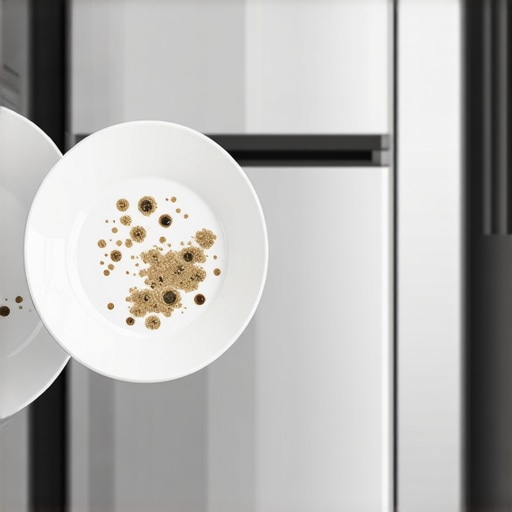
Ever had that frustrating moment when you unload your dishwasher and find your plates coated with a stubborn, gritty film? I used to think it was a sign I was overloaded or using the wrong detergent, but after countless attempts to scrub and rinse away the residue, I realized there was a deeper issue. That sinking feeling of pouring a drink into a nearly clean glass, only to see a cloudy, filmy layer, made me question if my dishwasher was even doing its job anymore. I knew I wasn’t alone; many homeowners face this perplexing problem that seems to persist despite following every recommended cleaning tip.
The Hidden Culprit Behind the Gritty Residue
It turns out, the reason your dishwasher leaves a gritty film could be as simple as mineral buildup or inadequate cleaning of its internal components. Early on, I made the mistake of assuming that regular detergent was enough—and I didn’t bother to regularly descale or clean out the spray arms. According to appliance experts, hard water minerals often create deposits inside your machine, which trap dirt and interfere with the rinse process. This buildup can leave that unsightly residue on your dishes. If you’re tired of washing your glasses twice or dealing with cloudy plates, understanding what’s happening inside your dishwasher is the first step to fixing it.
Is It Really Worth the Effort to Fix My Dishwasher?
Many skeptics wonder if it’s worth trying to fix something that seems so minor—after all, isn’t replacing the appliance simpler? Honestly, that thought crossed my mind, too. But I found that regular maintenance and cleaning can extend the lifespan of your dishwasher and improve its performance dramatically. Plus, fixing minor issues at home is often more cost-effective than a full replacement. For additional insights into how smart appliances are revolutionizing home maintenance, check out this comprehensive guide.
Want to know the practical steps to eliminate that film once and for all? Stay with me—next, we’ll dive into simple, effective techniques that work, backed by expert advice and personal trial and error.
Clean the Inside of Your Dishwasher Regularly
Start by running an empty cycle with hot water and a cup of white vinegar placed on the top rack. This helps break down mineral deposits that cause residue, similar to how a plumber might flush out a clogged pipe. I once overlooked this step until my glasses were still cloudy after rinsing, but after doing this, I noticed a dramatic improvement in cleaning performance. Repeat monthly to keep internal components free of buildup.
Descale Spray Arms and Filters Thoroughly
Remove and manually clean the spray arms using a toothbrush and some vinegar solution. Pay special attention to small holes, which often clog with mineral deposits. Similarly, clean or replace the dishwasher filter to ensure water flows unimpeded. One weekend, I disassembled mine, soaked the parts in vinegar, then scrubbed away the gunk—afterward, the spray pattern improved, and residue noticeably decreased.
Address Hard Water Issues with Additives
If you have hard water, install a water softening system or use commercial dishwashing salt designed for this purpose. It acts like a sponge, soaking up minerals before they enter your machine, akin to using a water filter. I added salt to my dishwasher, which resulted in noticeably cleaner dishes and less film after cycles. For added insight, visit this detailed article.
Set the Correct Detergent and Rinse Aid Levels
Use high-quality detergent formulated for your water type. Rinse aids help prevent water spots and film by breaking surface tension, similar to how fabric softeners work in laundry. I experimented with different brands until finding one that matched my water hardness, which made a significant difference in preventing residue. Regularly check and refill these consumables to maintain optimal performance.
Upgrade to Smart Dishwashers for Automated Maintenance
Invest in a smart dishwasher that can alert you to issues like clogged filters or spray arm obstructions. These appliances often include self-cleaning cycles, making maintenance effortless. A friend recently upgraded and noticed a consistent reduction in residue, thanks to features like automatic descaling and diagnostic alerts. Explore smart appliance options that can help keep your machine in top shape without manual intervention.
Check and Maintain Water Temperature
Ensure your water heater delivers at least 120°F (49°C) to dissolve detergents effectively and rinse away residues. I lowered my water heater temperature to save energy, but found my dishes became filmy until I adjusted it back up. Use a thermometer to verify, and consult your appliance’s manual to set the correct temperature for cleaning efficiency. Proper water temperature synergizes with other cleaning steps to deliver spotless results.
Investigate Plumbing and Water Quality
If mineral buildup persists despite cleaning, consider testing your water quality or consulting a plumber. Hard water can be a relentless source of residue, essentially like trying to wash with sandpaper—no matter how good your detergent. Installing a whole-house water softener can be a game-changer, dramatically reducing mineral deposits and extending appliance lifespan. For more on water management, see innovative smart appliances that work with your home’s water system.
By implementing these steps—regular cleaning, using additive solutions, smart maintenance, and proper water settings—you’ll notice a significant decline in that gritty film on your dishes. Consistency is key; a little effort now prevents larger problems later, and your glasses will thank you.
Many homeowners believe that smart appliances and modern machines are foolproof, requiring minimal attention. However, a common misconception is that once these devices are installed, they don’t need careful management. In reality, overlooking certain nuances—like adjusting settings for your specific water hardness or understanding the importance of firmware updates—can lead to subpar performance and early device failure. For instance, assuming that all refrigerators operate optimally without regular coil cleaning can cause efficiency drops, as highlighted by experts on appliance maintenance. This mistake often results in higher energy bills and uneven cooling. Moreover, many people think that high-end features automatically translate to better longevity, but neglecting routine system checks or proper installation can invalidate the benefits of advanced technology.
A significant trap many fall into involves ignoring firmware updates for smart appliances. Just like your smartphone needs regular updates to fix bugs and enhance security, your smart refrigerator or washer relies on firmware to optimize performance and security. Failing to update can leave devices vulnerable to bugs or incompatibility issues, which may compromise their lifespan. For example, an outdated firmware could prevent a smart dishwasher from completing cycles efficiently or responding to app notifications correctly. Manufacturers often release updates to fix such issues, so neglecting them is a rookie mistake.
Another myth is that appliances with self-cleaning functions are maintenance-free. In reality, these features often require user intervention—like running a cleaning cycle with descaling agents—to truly keep internal parts in top condition. Blindly trusting automatic cleaning can mask underlying problems like mineral buildup or sensor failures, which might cause your machine to underperform later.
From an advanced perspective, understanding how different components interact on a system level can dramatically extend your appliance’s lifespan. For instance, knowing that equipment like refrigerators and washing machines are sensitive to temperature fluctuations can help you set optimal conditions, reducing wear on compressors or motors. The National Renewable Energy Laboratory emphasizes that proactive management—like calibrating thermostats and ensuring proper ventilation—can prevent costly repairs down the line.
Be wary of the trap of overestimating the robustness of your devices. Many assume that because they’re ‘smart,’ they are invulnerable, but neglecting basic upkeep—such as cleaning condenser coils or inspecting water lines—can cause issues that are costly to repair. Regular maintenance, tailored settings, and open communication with user manuals and support channels (see our [contact page](https://smartappliancereview.com/contact-us)) will ensure your appliances serve you well for years.
Having explored these nuances, it’s clear that being an informed user involves much more than just pressing buttons. Stay ahead by understanding the mechanics and maintenance needs of your devices, and you’ll enjoy not just longer appliance life but also better performance and energy savings. Have you ever fallen into this trap? Let me know in the comments, or explore more at our [ultimate guide to smart home appliances](https://smartappliancereview.com/ultimate-guide-to-smart-home-appliances-for-a-modern-living).
How do I maintain my appliances over time to ensure durability and efficiency?
Maintaining home appliances requires a combination of the right tools, consistent routines, and staying informed about emerging technology. I personally rely on a few key instruments that have made a noticeable difference in prolonging the lifespan of my refrigerators and washers. A high-quality digital infrared thermometer, for example, helps me verify if my refrigerator’s temperature settings remain optimal, preventing undue strain on the compressor. Regularly checking heating elements and motors with a multimeter allows early detection of potential issues before they become costly repairs. For cleaning delicate components, I use a fine-bristled brush and a gentle vinegar solution, ensuring parts like spray arms and filters stay free of mineral deposits. An ultrasonic cleaner, while more advanced, is excellent for cleaning smaller, hard-to-reach parts without disassembly. These tools, combined with a routine maintenance schedule—such as flushing water lines, replacing filters, and checking door seals—have kept my appliances running smoothly for years.
Looking ahead, I believe that smart home integration will become even more essential in appliance maintenance. Future devices will likely include self-diagnostic features, alerting homeowners to issues via smartphone apps, like the latest smart dishwasher models that notify you when filters need cleaning or parts are wearing out. Manufacturers are also deploying AI algorithms that optimize performance based on usage patterns, which can be accessed through dedicated software or even voice controls. This trend toward predictive maintenance not only reduces downtime but also saves money in the long run. To stay ahead, I recommend exploring the [ultimate guide to smart home appliances](https://smartappliancereview.com/ultimate-guide-to-smart-home-appliances-for-a-modern-living), which offers insights into how to leverage technology for efficient appliance care.
Practical steps for ongoing appliance care
Consistency is key for long-term maintenance. For refrigerators, regularly inspecting door gaskets for cracks and cleaning coils with a vacuum or brush can improve efficiency. Using tools like a refrigerator coil brush and a microfiber cloth is particularly effective—see this guide for detailed techniques. Washing machines benefit from periodic cleaning of detergent dispensers and door seals, which can harbor mold and detergent residues. Running an empty cycle with vinegar and baking soda every few months is a simple yet powerful method. As for smart appliances, firmware updates are often overlooked but critical; I set reminders every three months to check for updates on my devices via manufacturer apps. These updates enhance security, fix bugs, and sometimes unlock new features that improve performance.
Furthermore, I recommend investing in diagnostic tools—many come with smartphone apps—that can monitor appliance health remotely. Some models of smart refrigerators and washers include built-in sensors that track vibrations, temperature fluctuations, or water flow issues, providing early warnings if something is amiss. Regularly reviewing these notifications can prevent major breakdowns. A tip I personally follow is to keep a maintenance log—documenting service dates, parts replaced, and observed issues helps identify patterns and plan preventive actions.
What’s the best way to keep your appliances in top shape over years?
By combining the right tools like infrared thermometers, ultrasonic cleaners, and diagnostic apps with disciplined routines—such as monthly coil cleaning or firmware updates—you can extend the life of your appliances significantly. Staying informed about technological advances is equally vital; for example, AI-driven maintenance alerts are becoming standard in premium models, simplifying upkeep. For tailored tips specific to your appliance, consider consulting expert resources like [choosing the right refrigerator tips from industry specialists](https://smartappliancereview.com/choosing-the-right-refrigerator-tips-from-industry-experts). Don’t wait for a breakdown—try initiating a monthly self-diagnostic scan on your smart fridge or washer today, and experience the peace of mind that comes with proactive maintenance.
Three Surprising Truths I Discovered About Smart Home Devices
- Even the most advanced appliances need our attention—never assume a smart fridge will flag every issue, so regular manual checks are essential for longevity.
- Overlooking firmware updates isn’t just a tech blooper; it can mean your smart dishwasher won’t perform at its best, costing you time and money in repairs.
- Automatic cleaning functions are handy but don’t replace scheduled maintenance—trust me, a little proactive effort prevents costly breakdowns later.
Tools That Became My Appliance Lifesavers
Investing in a good infrared thermometer helps me maintain optimal refrigerator temperatures, preventing spoilage and energy waste. An ultrasonic cleaner keeps my dishwasher’s spray arms spotless without dismantling the whole unit, saving time and hassle. Regularly checking for firmware updates through trusted resources like the official brand sites ensures I stay ahead of potential issues. Plus, reading comprehensive guides on appliance maintenance—such as this ultimate guide—has transformed my approach to upkeep and troubleshooting.
Your Journey Begins Now: Keep Your Appliances at Peak Performance
Taking charge of your home appliances doesn’t mean becoming an expert overnight—it’s about consistent, informed actions that extend their life and improve efficiency. With the right mindset and tools, you can enjoy the peace of mind that comes with knowing your appliances work *for* you, not against you. So, why wait? Start incorporating small maintenance habits today, and witness the difference they make. Your home—and your wallet—will thank you.
What’s the biggest appliance challenge you’ve faced, and how did you tackle it? Share your experience in the comments below—I’d love to hear your story!
,