
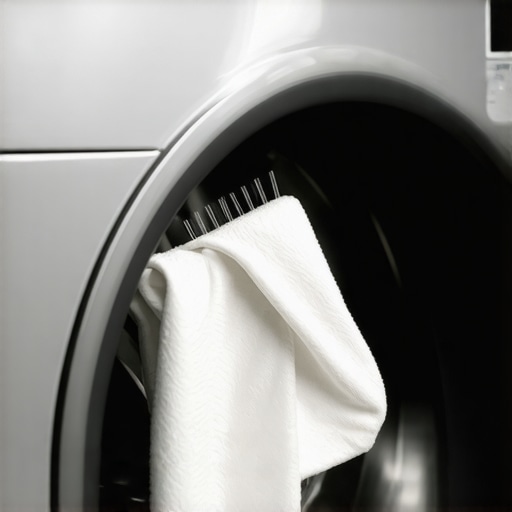
Ever stood in your laundry room, frustrated by that unmistakable sour smell wafting from your washing machine? I remember the lightbulb moment when I finally realized it was my front-load washer gasket—something I had ignored for too long—that was the culprit. Just the thought of having to deal with a moldy, stinky rubber seal made me want to push the entire machine out the window. But I learned a valuable lesson: a little maintenance goes a long way in keeping my laundry fresh and odor-free.
Why the Gasket’s Smell Can Take Over Your Laundry Room
At first, I thought it was normal for my washer to smell musty after a few months of use. Turns out, neglecting the gasket can lead to a breeding ground for mold, mildew, and that persistent sour odor. The real issue is trapped moisture and residues lurking in those tiny folds of rubber. According to appliance experts, mold growth on washing machine seals isn’t just unpleasant—it’s also a health concern, especially for allergy sufferers. Regular cleaning helps prevent buildup and keeps your laundry smelling crisp.
Now, I’ve been down this road more times than I care to admit. Early on, I made the mistake of using harsh chemicals or just wiping the surface of the gasket—both of which only provided temporary relief. Trust me, if you want lasting freshness, the key is to give that gasket a thorough, intentional cleaning. The good news? It’s not as daunting as it sounds, and I’ll walk you through the steps that finally kept my laundry smelling delightful.
Want to know the best way to eliminate that stubborn odor for good? Keep reading, and I’ll show you how to reclaim your washer’s freshness!
Remove and Inspect the Gasket Carefully
Start by pulling back the rubber seal around your washing machine drum. Use your fingers or a plastic spatula to gently lift the edges, exposing hidden folds where mold and mildew hide. During my first attempt, I noticed black spots and a slimy texture—clear signs of mold buildup. Patience is key here, as a thorough inspection lets you identify all the trouble spots that need attention.
Apply a Targeted Cleaning Solution
Mix equal parts white vinegar and water or use a commercial gasket cleaner designed for appliances. Using an old toothbrush or soft cloth, scrub these folds vigorously, focusing on the areas with visible mold or residue. I once spent extra time on stubborn spots, applying a little baking soda paste for abrasive cleaning, which loosened grime effectively. This step breaks down residues and kills mold spores, much like clearing debris from a clogged pipe ensures smooth flow.
Consider using an AI-powered appliance cleaner for smart washers
If your machine supports it, explore innovative cleaners with AI features that optimize cleaning cycles, making maintenance even easier. Check out options here: AI-enhanced appliance cleaning.
Deep Dry and Disinfect the Seal
Once scrubbed, dry the gasket thoroughly using a clean microfiber cloth. To disinfect, wipe down with a solution of bleach diluted with water (about 1:10 ratio), especially on rubber folds. I once forgot this step and later found mold regrowth; proper disinfection prevents this recurrence. Leave the door open afterward to air-dry, discouraging moisture accumulation.
Regular Maintenance to Prevent Future Odors
Set a reminder to clean your gasket monthly. After each wash, wipe the seal with a dry cloth to remove excess moisture. Running an empty cycle with hot water and vinegar weekly also keeps mold at bay. These simple habits resemble routine oil changes in a car—preventative care prolongs appliance life and performance.
Handle Persistent Issues with Professional Help
If you notice persistent mold or persistent sour smell despite cleaning, consult a professional. Sometimes, seals require replacement, or there may be hidden leaks contributing to moisture buildup. For tailored assistance, you can reach out to experts via professional appliance support.
Many homeowners assume they understand their appliances after basic use, but in reality, misconceptions often lead to suboptimal performance and unnecessary repairs. A frequent myth is that all refrigerators are created equal; however, experts highlight the importance of understanding features like inverter compressors versus traditional motors, as this impacts energy efficiency and noise levels. In my experience, selecting a model without considering such nuances can result in higher utility bills and frustration.
Another trap lies in assuming that regular cleaning alone ensures appliance longevity. For instance, many overlook the significance of proper calibration of smart thermostats and sensors, which a study from appliance efficiency researchers emphasizes as vital for optimal operation. Without proper calibration, devices may misread temperatures, leading to unnecessary energy consumption.
When it comes to washing machines, many believe that tossing in a load without pre-treatment negates the need for maintenance. But advanced users know that residues and detergent buildup can cause odor issues and mechanical stress. For example, cleaning the filter and drum periodically, as recommended by industry professionals, can extend the lifespan of your machine.
Smart appliances are often mistaken for being maintenance-free, yet their sophisticated tech can introduce new pitfalls. Many owners neglect firmware updates, which are essential for security and performance. Ignoring these updates may leave vulnerabilities open, potentially compromising your privacy and device stability. Ensure you’re proactive about updates—check the manufacturer’s guidance regularly.
Another advanced mistake is underestimating energy consumption due to improper settings. For example, running a dishwasher on an intensive cycle when a quick, eco-friendly cycle would suffice not only wastes energy but also accelerates wear on components. Always tailor cycle choices to the actual load and dirt level; this simple action can save significant energy over time, as highlighted by environmental technology reports.
Have you ever fallen into this trap? Let me know in the comments.
To make informed decisions, consulting experts and detailed product reviews can clarify which features truly matter. For instance, choosing refrigerators with adaptive cooling systems or dishwashers with AI-driven cycle optimization can enhance your kitchen’s efficiency. Explore detailed buying guides and stay ahead in smart appliance trends by visiting industry insights here. Keeping these nuances in mind helps avoid costly mistakes and maximizes your appliance investments.
Ensuring your home appliances stay in top shape over time requires more than occasional cleaning; it demands strategic tools and consistent practices. As appliances become smarter and more complex, embracing specific equipment and software can significantly extend their lifespan and efficiency.
Invest in a Quality Multimeter for Precise Diagnostics
A digital multimeter is indispensable for diagnosing electrical issues in refrigerators, washing machines, and dishwashers. I personally rely on the Fluke 117 multimeter because of its accuracy and durability. It allows me to test voltage, continuity, and resistance, helping identify problems like faulty thermostats or damaged wiring early on. Regular use of a multimeter prevents minor issues from turning into costly repairs and ensures your appliances operate efficiently for years.
Utilize Professional-Grade Cleaning Equipment
Maintaining appliances isn’t just about the right cleaning agents but also about the tools used. For instance, I recommend a handheld steam cleaner like the Wagner Spraytech ProGuard to reach tricky areas such as dryer vent ducts or behind ice makers. The high-temperature steam dissolves dirt, mold, and mineral deposits without the need for harsh chemicals. This equipment simplifies maintenance routines and preserves appliance longevity, especially when combined with targeted cleaning solutions tailored for appliances.
Adopt Smart Monitoring Apps for Ongoing Performance Tracking
Modern home appliances often support Wi-Fi connectivity, making it easier to keep tabs on their health. I use the appliance manufacturer’s official app integrated with my smart fridge and washer to monitor cycle durations, energy consumption, and error alerts. These apps notify me of potential issues before they escalate, enabling proactive maintenance. Additionally, they often include firmware update notifications, which are critical for security and performance—an aspect I always prioritize. For expert insights on leveraging these tools, visit this comprehensive guide.
Schedule Regular Filter and Component Replacements
Proactive replacement of filters, seals, and worn components prevents breakdowns and maintains efficiency. For example, I set reminders to replace refrigerator water filters annually and clean washing machine filters every six months. Using OEM parts that match your appliance model ensures optimal performance and reduces the risk of long-term damage. Consulting professional technicians periodically for comprehensive inspections, especially for complex systems, adds an extra layer of security. To find qualified help, reach out via this contact page.
Where do you think appliance maintenance is heading in the next few years? Expect to see more integration of AI-driven diagnostics and predictive maintenance tools, making home appliance care smarter and more intuitive—check our future trends for a sneak peek.
One practical step you can start today is investing in a reliable multimeter. It’s a small investment that can save you hundreds by catching issues early. Equip yourself with these tools, and you’ll keep your appliances running smoothly well into the future.
What I Wish I Knew Before My First Refrigerator Repair
One of my biggest lightbulb moments was realizing that many appliance issues stem from overlooked details, like a simple coil cleaning or software update. I used to think regular cleaning was enough, but I’ve learned that proactive maintenance—like calibrating smart sensors or replacing filters—can save me costly repairs later. Understanding the subtle signs of wear and embracing preventive habits transformed my approach and kept my appliances running smoothly.
Curated Tools That Changed My Maintenance Routine
Investing in a quality multimeter, such as the Fluke 117, empowered me to diagnose electrical glitches early. My steam cleaner from Wagner helped me reach tricky areas without harsh chemicals, preventing mold in seals and vents. I also rely on smart monitoring apps that alert me to potential issues, making maintenance an ongoing, hassle-free process. These resources offer peace of mind and help extend the lifespan of my trusted home appliances.
Your Next Step to a Smarter Home
Taking small, intentional actions today can significantly improve your appliance performance and longevity. Regularly cleaning filters, updating firmware, and utilizing smart monitoring tools turn routine maintenance into a rewarding habit. Remember, the key isn’t just fixing problems once they arise—it’s creating a proactive routine that anticipates issues before they happen. Your smart home deserves this level of care—start now, and enjoy the long-term benefits.