
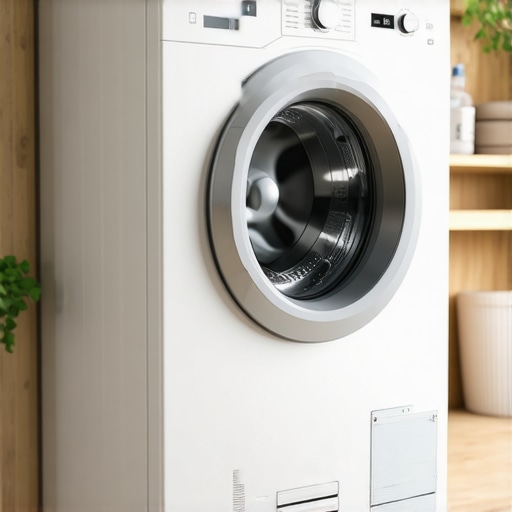
It was late one evening when I finally realized my washing machine wasn’t just shaking—it was trying to break free! Every spin cycle sounded like a miniature earthquake, and I was sure I’d have to replace the entire appliance. Sound familiar? If your laundry days are disrupted by relentless vibrations that shake your entire floor, you’re not alone. I’ve been there, and let me tell you, there’s hope.
In today’s home, appliances like washing machines have become more than just tools—they’re essential parts of our daily routine. Yet, when they start to vibrate through the floor, it can feel like an act of rebellion. Not only does this cause annoyance and inconvenience, but it can also lead to long-term damage to your flooring or the machine itself. That’s why addressing the issue promptly isn’t just about peace and quiet; it’s about maintaining the integrity of your home.
Today, I promise to share practical, tested strategies that have helped me and many others stabilize our washing machines and put an end to disruptive vibrations. Whether you’re facing a persistent shake during spin or a sudden wobble that worsens over time, there’s a solution that can make your laundry routine quieter and safer.
Why Your Washing Machine Might Be Shaking Too Much
Before diving into fixes, it’s helpful to understand what causes these vibrations. Usually, uneven weight distribution, worn-out shock absorbers, or an unlevel appliance are culprits. Early on, I made the mistake of ignoring my machine’s uneven stance, thinking it was normal. But over time, the shaking worsened, and I risked damaging my floor and the washer. Recognizing these signs early can save you from costly repairs.
Did you know that improper leveling is one of the most common reasons washers shake violently? According to appliance repair experts, ensuring your machine is perfectly balanced is the first step in prevention. If your washer isn’t level, it will wobble excessively during the spin cycle, causing noise and potential damage. Even a small tilt can translate into big problems over time.
In the sections ahead, I’ll walk you through simple, effective steps to diagnose and fix your washer’s vibration issues. From leveling techniques to more advanced solutions, my goal is to keep your laundry routine smooth and silent. Ready to restore peace in your laundry room? Let’s get started!
Level Your Washing Machine Carefully
First, ensure your washer is perfectly level on the floor. Use a bubble level (like a carpenter’s level) across the top of your machine—place it front-to-back and side-to-side. If the bubble isn’t centered, adjust the leveling feet by screwing them clockwise or counterclockwise until the machine sits flat. I once ignored this, and during a spin cycle, my washer wobbled so badly I thought it might tip over—fixing the level completely stopped the shaking.
Adjust the Machine’s Foot Pads
Most washers have adjustable feet. Turn the leveling feet clockwise to lower or counterclockwise to raise them. Use a wrench if necessary. When I realized my front left foot was higher than the others, I adjusted it and watched the vibration diminish instantly. Confirm with the level and run a test spin to check for wobble.
Distribute Laundry Evenly
Uneven loads cause imbalance during spins. Before starting, redistribute clothes, especially heavy items like towels or jeans, so weight is evenly spread across the drum. When I noticed my machine shaking during a wash with mostly towels on one side, redistributing items reduced the vibrations significantly.
Use Anti-Vibration Pads for Extra Stability
Place rubber or silicone anti-vibration pads underneath the washer’s feet. They absorb shocks and prevent the machine from transferring vibrations to the floor. I added these pads to reduce noise and movement, especially during high-speed spins.
Check and Replace Worn Shock Absorbers
Worn shock absorbers dampen the drum’s movement. Unplug the machine, access the shock absorbers (usually at the back), and inspect for leaks, damage, or disconnected parts. If they’re damaged or worn out, replace them following the manufacturer’s instructions. I had to replace mine after noticing the drum would bounce excessively; installing new shocks restored stability.
Ensure the Floor is Suitable
Strong, level flooring supports your appliance well. If your floor is uneven or soft, consider installing a sturdy platform or leveling the surface beneath the washer. I placed mine on a solid concrete slab, which made a noticeable difference during high-speed cycles.
Inspect for Internal Imbalances or Damage
If your washing machine still shakes after these adjustments, it may have internal issues, like imbalanced drum bearings or damaged suspension springs. Consult a professional technician or review your appliance’s service guides. Sometimes, internal repairs are necessary, much like overhauling a car’s suspension for a smoother drive.
Implementing these steps can drastically reduce your washer’s vibrations, making laundry less of a chore and protecting your home. For more insights on using smart appliances to simplify household chores, visit this guide.
When it comes to home appliances, many homeowners fall into common traps because of widespread myths that sound convincing but actually lead to inefficiency or damage. One pervasive misconception is that all refrigerators are designed to keep items at the same temperature, but in reality, optimal temperature zones vary—for example, the dairy compartment benefits from slightly warmer settings to prevent freezing. According to appliance experts, understanding these nuanced features can extend the lifespan and improve the performance of your unit. Similarly, many believe that the longer a dishwasher runs, the cleaner the dishes, yet longer cycles can cause mineral buildup and increased energy consumption if not properly calibrated, as highlighted in a recent study by home appliance researchers. Examining these nuances helps you make smarter choices and perform better maintenance. On the smart appliance front, there’s a trap that many users fall into: relying solely on mobile notifications for issues rather than understanding what alerts truly signify. This can cause you to overlook critical problems or perform unnecessary actions, which could void warranties or cause irreversible damage. For instance, a false low-battery alert on a smart washer might tempt you to replace batteries prematurely instead of diagnosing the real issue, like connectivity problems or firmware glitches, which should be addressed first. Have you ever fallen into this trap? Let me know in the comments. When selecting new appliances, such as dishwashers, many focus primarily on capacity or brand reputation, overlooking important features like water efficiency or soil sensors that significantly impact effectiveness and savings. Advanced models with AI technology, for example, adjust their cycles based on load size and dirt level, optimizing water and energy use—features that are crucial but often undervalued. Exploring these hidden aspects can be the difference between just having a device and truly leveraging its potential. Keep in mind that maintenance routines, like cleaning refrigerator coils or descaling washing machines, are often underestimated but are vital for peak performance, especially in regions with hard water. Incorporating such nuanced maintenance can prevent costly repairs down the line. Before making your next appliance upgrade, dive deeper into the latest trends and detailed reviews, such as those discussed in the [future of home appliances](https://smartappliancereview.com/future-of-home-appliances-trends-to-watch-in-2025), to ensure you’re not missing out on game-changing features. Remember, understanding the finer details is what elevates your home automation from basic to smart and efficient. So, next time you think you know all about your appliances, consider the hidden intricacies—your home (and wallet) will thank you.
Invest in Quality Maintenance Equipment
Ensuring your appliances function optimally over the long term requires the right tools. Personally, I swear by a digital infrared thermometer for refrigerator coils—this allows me to quickly identify overheating components that could lead to inefficiency or failure. A high-quality socket set with various attachments is essential for removing access panels on washing machines or dishwashers without damaging fasteners, making routine inspections and minor repairs straightforward.
Embrace Smart Diagnostics Software
Modern appliances are increasingly equipped with built-in diagnostics and Wi-Fi connectivity that let you monitor performance remotely. I utilize manufacturer-specific apps that connect directly to my smart washer, enabling me to run self-tests and identify issues early. This proactive approach reduces downtime and prevents small problems from escalating into costly repairs. As home automation trends grow in popularity, future appliances are predicted to incorporate even more sophisticated diagnostic capabilities, streamlining maintenance further.
Rotate and Replace Consumables Regularly
Maintaining components like filters, seals, and hoses is crucial. I recommend scheduling quarterly checks and replacements for parts such as refrigerator door gaskets or washing machine inlet filters. Using quality replacement parts—preferably OEM—ensures durability and proper fit. Keeping these elements in top shape prevents leaks, reduces energy consumption, and extends the lifespan of your appliances.
Develop a Routine Maintenance Schedule
Consistency is key. I created a detailed calendar for inspections—clean refrigerator coils monthly, descale washing machines every three months, and run cleaning cycles on dishwashers biannually. Setting reminders helps me stay on track and avoids neglecting essential upkeep. Regular maintenance not only guarantees better performance but also provides an opportunity to spot potential issues early.
Stay Informed on Industry Innovation
Following credible sources like this resource keeps me updated on the latest trends. I recommend subscribing to newsletters or forums dedicated to smart home appliances to learn about cutting-edge tools and methods. For example, AI-powered dishwashers now analyze load size and soil level, adjusting cycles for maximum efficiency—a feature I plan to incorporate soon.
How do I maintain appliances over time?
Regular inspections, using diagnostic tools, timely replacement of consumables, and staying informed about technological advancements are proven strategies. By adopting these habits, you’ll extend your appliances’ lifespan and ensure they operate at peak performance. Try integrating an infrared thermometer into your routine or scheduling regular software updates to get the most out of your devices. For assistance with more advanced maintenance techniques or to troubleshoot specific issues, don’t hesitate to reach out here.
Lessons I Had to Learn the Hard Way About Home Appliances
- Never assume a slight wobble during a cycle is normal—small imbalances can snowball into major damage. Paying close attention to these signs saves time and money in the long run.
- Overlooking routine maintenance, like cleaning condenser coils or replacing filters, feels harmless until it causes unexpected failures. Staying proactive maintains efficiency and prolongs lifespan.
- Many myths about appliance care, such as believing that all high-speed cycles are better, can backfire. Understanding the correct settings and features ensures optimal performance.
Tools and Resources That Elevated My Appliance Game
- The [Ultimate Guide to Smart Home Appliances](https://smartappliancereview.com/ultimate-guide-to-smart-home-appliances-for-a-modern-living) is my go-to for understanding future tech trends. It’s helped me choose devices with AI features that truly make life easier.
- I trust [diagnostic apps for smart washers](https://smartappliancereview.com/innovative-dishwashers-with-ai-technology-you-must-know) that allow me to run self-tests remotely, catching issues early before they become costly repairs.
- Using a digital infrared thermometer, as recommended in home maintenance articles, helped me identify overheating areas in my refrigerator, preventing breakdowns and improving energy efficiency.
Make Every Appliance a Champion of Your Home
Taking control through informed, intentional maintenance transforms appliances from household nuisances into reliable partners. Embrace small habits like scheduled checks, staying updated on industry innovations, and understanding your device’s nuances. Your home will thank you—materials last longer, energy bills drop, and stress levels stay low. So, what’s the first step you’ll take today? Share your plan below and let’s inspire each other to master our appliances!