
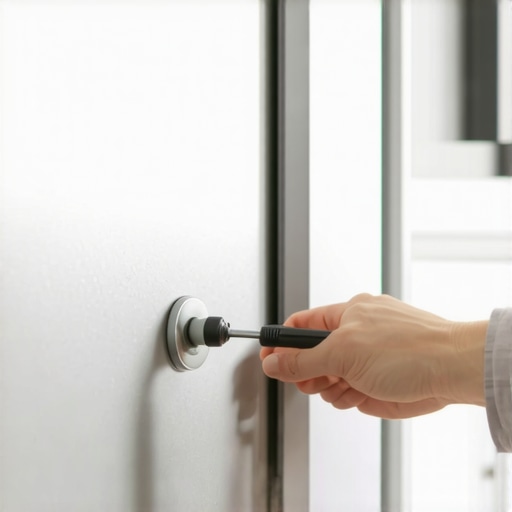
Have you ever reached into your fridge for a refreshing drink, only to have the handle wobble or hang loose in your hand? I remember that lightbulb moment when I first realized my refrigerator handle was loose—right when I was half-asleep and craving a cold soda. That little wobble might seem like a minor annoyance, but it can quickly turn into a frustrating problem, risking further damage or causing the handle to fall off entirely.
Why a Loose Refrigerator Handle Shouldn’t Be Ignored
Nothing ruins the smooth functioning of your kitchen like a wobbly handle. It’s not just about aesthetics; loose handles can lead to more serious issues like broken mounting brackets or damaged door seals. Plus, a handle that’s not secure can become a safety concern—sometimes it even causes small shards of plastic to break off, which can be ingested or cause injury.
Are You Just Going to Keep Living with It?
In my early days of troubleshooting, I made the mistake of forcing the handle back in without checking the mounting screws. That only made things worse. I learned the hard way that proper diagnosis is key, and honestly, most problems have straightforward solutions—once you know what to look for. If your fridge handle feels loose, don’t dismiss it as a minor inconvenience. Tackling it now will save you money and frustration down the line.
In this guide, I’ll walk you through proven methods to fix that wobble, with step-by-step instructions and tips gleaned from personal experience—and some expert insights, like the fact that secure handles can extend the lifespan of your appliance, saving you from costly replacements here.
Understanding why your refrigerator handle gets loose
Before diving into the fix, it’s helpful to understand what causes this common issue. Sometimes, the screws loosen over time due to regular use, or the handle’s mounting brackets wear out. In other cases, the adhesive or clips that hold the handle can weaken, especially if you’ve recently moved or bumped the fridge.
Addressing these root causes ensures your fix is effective and lasts longer. Now, let’s roll up our sleeves and get that handle back to solid—no more wobbles, no more worries! Are you ready to regain your kitchen’s sleek look and safety? Keep reading for the practical steps that will fix your loose refrigerator handle once and for all.
Secure the Screws First
Begin by unplugging your refrigerator for safety. Use a screwdriver to tighten the mounting screws that hold the handle in place. I once used a Phillips head screwdriver, but if your screws have a different type, grab the appropriate bit to avoid stripping them. My first attempt was to tighten without checking the screw heads, which resulted in stripping the screws, so be gentle and precise. After tightening, test the handle’s stability; it should no longer wobble.
Replace or Reinforce Worn Brackets
If tightening screws doesn’t do the trick, the brackets might be worn or broken—think of it like a worn hinge on a door; it needs replacing. Locate the mounting brackets, which are usually behind the handle or accessible from the inside door panel. Remove the old brackets with pliers or a screwdriver, then install new ones, ensuring they fit snugly. During one fix, I found a broken plastic clip that no longer held the handle firmly, so I ordered replacements online and replaced them—significantly improving handle stability.
Use Adhesive or Clips for Loose Handles
For handles attached via adhesive or clips, inspect their condition. If the handle wiggles but the screws are tight, applying a bit of epoxy adhesive inside the handle’s attachment point can secure it. For handles with clips, replace any that are worn or broken. I once used a strong epoxy to fix a handle that kept slipping, and it held up well, restoring function without replacing the entire assembly.
Check and Replace Damaged Components
Inspect for cracks or damage around the mounting area. Cracks can compromise handle security. If found, order replacement parts from the manufacturer or a reputable parts supplier using the model number of your fridge. Replacing damaged brackets or handle components restores safety and prevents further issues. Remember, maintaining your appliance is like tuning a car—small repairs keep it running smoothly and avoid costly replacements later.
Final Test and Preventative Tips
Reassemble any panels, reconnect the fridge, and open and close the door a few times to test handle stability. To prevent future looseness, periodically check and tighten screws, especially after moving the fridge or during routine cleaning. I make it a habit to tighten any loose screws I notice during regular cleaning, which extends the life of my appliances and keeps them looking sleek—a simple step that pays off.
If you encounter persistent issues, consider consulting a professional or visiting our contact page for expert assistance. Proper maintenance ensures your appliances stay efficient and safe for years to come.
As someone deeply immersed in the world of home appliances, I often observe misconceptions that even seasoned homeowners believe. One pervasive myth is that all dishwashers clean equally well, but in reality, features like AI-powered sensors significantly improve cleaning efficiency, as highlighted in this article. Many assume that higher wattage always equates to better performance, yet modern appliances focus more on smart technology and energy efficiency than raw power, emphasizing the importance of choosing appliances with smart features.
Are Smart Appliances Just Fad or the Future of Home Tech?
This is a common question among tech-savvy homeowners. The truth is, smart appliances, like refrigerators that monitor expiration dates or washing machines that optimize water use, are rapidly evolving and becoming indispensable for convenience and resource management. According to industry experts, integrating AI and IoT into home appliances not only enhances user experience but also significantly cuts energy consumption, aligning with future energy sustainability goals. While some worry about privacy, reputable manufacturers implement robust security protocols, as discussed in their privacy policy. Another misconception is that refrigerators with more features are always more fragile or prone to breakdown. However, advances in durable materials and self-diagnostic systems have increased lifespan and reliability of these smart units.
Be cautious of the trap where homeowners believe that routine maintenance isn’t necessary for appliances with high-tech features. In reality, regular updates, cleaning, and inspection are vital to ensure optimal performance — for example, deep cleaning refrigerator coils can maintain efficiency, as recommended here. When upgrading or maintaining your appliances, I suggest consulting comprehensive guides like the ultimate guide to smart home appliances. Remember, the misconception that all appliances are maintenance-free can lead to costly repairs or replacements down the line.
Understanding these nuances will help you make smarter decisions. For instance, choosing a refrigerator isn’t just about capacity or brand; consider smart features, energy ratings, and connectivity. If you’re interested in selecting the ideal refrigerator, check out tips from industry experts. Don’t let myths and misconceptions keep you from optimizing your home. Have you ever fallen into this trap? Let me know in the comments.
Investing in the Right Tools Ensures Longevity
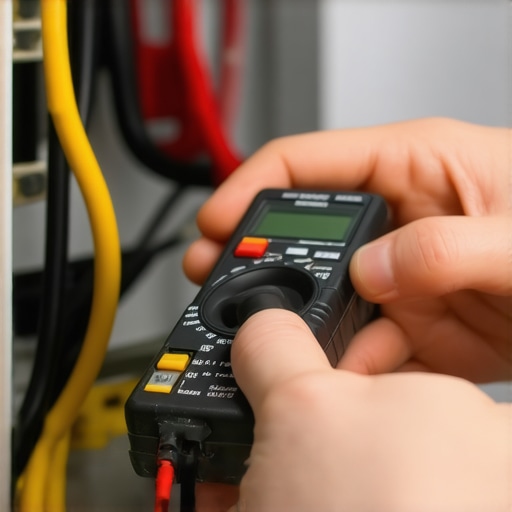
Maintaining appliances like dishwashers, refrigerators, and washing machines requires precision tools that allow for effective troubleshooting and repairs. I personally swear by a high-quality digital multimeter, which I use regularly to test electrical connections and diagnose issues with smart appliances. This device helps me quickly identify faulty sensors or wiring problems that aren’t always visible.
Another essential tool is a set of precision screwdrivers, particularly Torx and Phillips heads, because appliance screws vary and stripping them can make repairs more difficult. I prefer magnetic screwdriver sets to prevent dropping tiny screws inside panels or hard-to-reach areas, saving time and frustration during disassembly or reassembly.
Software Solutions Play a Key Role
Beyond physical tools, diagnostic apps are becoming increasingly valuable, especially for smart appliances. For example, manufacturer’s proprietary diagnostic apps—like LG’s ThinQ or Samsung’s SmartThings—allow me to run system checks and receive alerts on issues before they escalate. Regularly updating these apps ensures compatibility with firmware updates, helping me catch problems early and plan maintenance accordingly.
Additionally, internet-connected diagnostic tools, such as Fluke’s Versatile multimeters with Bluetooth, enable remote monitoring and diagnostics, which I find particularly useful for appliances installed in hard-to-access places. These tools help me save trips and streamline maintenance routines.
Setting a Maintenance Schedule That Works
Consistency in routine maintenance can prevent many common issues. I recommend setting a quarterly schedule to clean filters, inspect hoses, and check seals—like the refrigerator door gasket or washing machine rubber ring. For instance, cleaning refrigerator coils with a specialized coil brush, which I keep handy, dramatically improves energy efficiency and prolongs compressor life, as discussed in this article.
These small, regular tasks prevent dust build-up and mechanical wear, ensuring your appliances stay reliable longer. Remember, preventative maintenance often costs less than emergency repairs or replacements.
How Do I Maintain Home Appliances Over Time? Recommendations for Durability
Staying ahead of potential issues means understanding what to watch for and regularly testing key components. For smart washers, I use a combination of firmware updates and app diagnostics to ensure systems like load sensors and motors are functioning correctly. For refrigerators, periodic inspection of door seals with a simple dollar-bill test keeps cold air in and moisture out, reducing energy consumption.
As technology advances, I predict automated diagnostics and AI-driven predictive maintenance will become the norm—potentially alerting homeowners to issues before symptoms even appear. For now, leverage the tools I mentioned to keep your appliances running efficiently. For example, try using a multimeter to test your washing machine’s motor leads; it’s an advanced but straightforward step that can save you from costly repairs later.
If you’re interested in exploring the latest in appliance maintenance, I recommend checking out future trends. Don’t underestimate the power of regular, precise maintenance—your appliances will thank you for it!
The Hardest Lessons I Learned About Home Appliances
One of my most memorable lessons was realizing that over-tightening screws during repairs can strip the threads, making the handle fall off sooner. Patience and proper tools are key—rushing often leads to setbacks. I also discovered that neglecting routine cleaning, like descaling or inspecting seals, can turn minor issues into costly repairs, emphasizing the importance of regular maintenance.
The Unexpected Benefits of Smart Troubleshooting
I was initially skeptical about relying on diagnostic apps or tools, but they saved me hours of guesswork. Learning to interpret error codes from my smart appliances not only fixed problems faster but also gave me a deeper understanding of how these devices work—the kind of insight every homeowner should have to keep things running smoothly.
My Biggest Myth Busting Moment
Many believe that smart appliances require little to no maintenance, but I found that regular updates and cleanings are essential for longevity. For example, cleaning refrigerator coils and keeping firmware up-to-date prevents unexpected failures, reaffirming that technology is a helpful tool, not a replacement for responsible upkeep.
Curated Resources to Keep Your Appliances in Top Shape
- Manufacturer’s Manuals and Support Websites: Always start here—trusted, detailed, and tailored to your specific model. I rely on these for official troubleshooting and parts.
- Reliable Repair Guides and Forums: Websites like RepairClinic or iFixit offer step-by-step guides and community support that have helped me tackle tricky fixes confidently.
- High-Quality Diagnostic Tools: A trusted multimeter and compatible app can diagnose electrical issues early. Their accuracy saves time and prevents surprises.
- Educational Books and YouTube Channels: For those eager to learn, books on home appliance repair and expert channels demystify complex topics, boosting confidence in self-maintenance.
Take Action to Protect Your Investment in Home Appliances
Empowering yourself with knowledge and the right tools transforms maintenance from a chore into a rewarding routine. Start small—schedule regular inspections, invest in quality diagnostics, and stay curious about how your appliances work. Your efforts will extend their lifespan, save money, and turn your home into a smarter, more reliable space. What’s the one maintenance step you’ve been putting off? Share below and let’s get started together!