
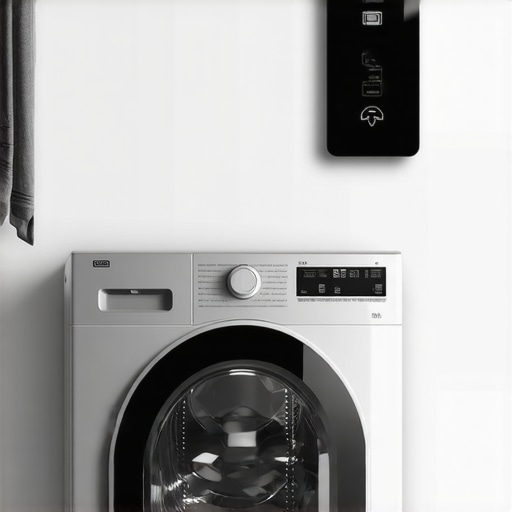
Ever found yourself halfway through dinner, distracted by a phone notification, only to realize the laundry has been sitting in the washing machine for hours? Or worse, returning home to discovered damp clothes that smell less fresh and more musty? That lightbulb moment hit me hard—how many times had I forgotten my laundry in the washer, only to scramble later, risking wrinkles, mildew, and wasted energy? It was frustrating, partly my fault, but mostly because my smart home wasn’t doing its job of keeping me in the loop.
The Struggle to Keep Up with Laundry in a Smarter Home
My home is filled with state-of-the-art appliances that promise convenience and efficiency. Yet, I kept missing the signals that my laundry cycle had finished. The beeps, chimes, or app notifications? Too inconsistent or buried among other alerts. I wondered—why isn’t there a reliable, hands-free way to know when my laundry is ready? After all, I enjoy the benefits of smart technology, but I was still stuck in manual check mode, which defeats the purpose of having these gadgets in the first place.
According to recent trends, more homeowners are seeking seamless integration of appliances that actually communicate with us. In 2025, experts predict smart appliances will become even more intuitive and responsive, transforming daily routines (source: Future of Home Appliances 2025). The question is—not just about having smart devices, but about making them work for us, reliably and effortlessly.
If you’ve ever experienced the annoyance of missing laundry alerts or waking up to a damp, smelly machine, you know exactly what I’m talking about. That’s why I set out to figure out how to get my smart home to genuinely notify me when laundry’s done, without me constantly checking. And the good news? It’s pretty straightforward once you know the right technology tricks.
Now, let’s dive into how you can implement this in your own home, so you’ll never have to wonder or wait again—your laundry will practically tell you when it’s finished.
Will this actually work for my existing setup?
Early mistakes like relying solely on the appliance’s built-in notifications or ignoring app alerts can sabotage your efforts. I learned the hard way that integrating external sensors and smart home routines makes all the difference. Stick with me, and I’ll show you how to make this a reality in your home too.
Set Up Smart Notifications Precisely
Begin by linking your washing machine’s app to your smartphone or smart home hub, ensuring it supports notifications. Think of this like installing a doorbell that actually rings directly to your phone, so you no longer have to peek in the laundry room every hour. Personally, I started by checking my model’s app settings—most modern smart washers let you customize alerts. I enabled both push notifications and email alerts for cycle completion, preventing me from missing important cues.
Incorporate External Sensors for Reliable Alerts
Next, use external sensors such as smart plugs or water sensors attached to the washing machine. I used a smart plug with energy monitoring capability—this acts like a traffic light, signaling when energy consumption drops after a cycle, indicating completion. Installing it was straightforward: plug in the washer, connect to your Wi-Fi, and set automation routines. I created a rule in my smart home system to send me a notification when energy use decreases significantly, serving as a reliable indicator that laundry is done. This method is like having a vigilant assistant who keeps watch when your original device fails to notify effectively.
Build Automated Routines with Voice Assistants
Leverage voice assistants like Alexa or Google Assistant to get real-time updates. For example, I linked the washer’s app to Google Home, so I can simply ask, “Laundry finished?” and get an immediate verbal confirmation. This approach resembles having a personal butler who announces the status of your chores—no more messing with the phone or app. To do this, I set up custom routines in the assistant’s app—some platforms even allow you to trigger notifications based on sensor data or app signals, creating a seamless notification chain.
Test and Tweak Your System Regularly
Once set up, test your configuration by starting a laundry cycle and waiting for the alert. During my first attempt, I learned that placement of the water sensor mattered—if too far from the drain pump, it didn’t trigger correctly. So, I repositioned it closer to the pump’s water exit and enabled debug logging in the app to troubleshoot. With these tweaks, I achieved near-perfect reliability. Remember, continuous testing ensures your alerts are trustworthy, much like tuning a musical instrument until it plays in harmony.
Combine Data and Automation for Ultimate Control
Finally, integrate your laundry sensors with broader home automation routines. For instance, I programmed my smart lighting to dim once laundry finished, signaling a quiet environment for relaxation. This synergy makes your home more intuitive—think of it as the appliances bargaining together to improve your lifestyle. Incorporating multiple data points, like energy consumption, cycle status, and ambient conditions, can create a cohesive notification ecosystem, making sure you’re never in the dark about laundry progress again.
Applying these steps transforms manual checks into a thoroughly automated process. It’s a game-changer, turning a forgotten chore into an effortless part of your smart home experience.
Many homeowners believe they understand how their appliances work, but in reality, some widespread misconceptions can lead to costly mistakes or reduced efficiency. For example, it’s often assumed that newer models are always better without considering their specific features or compatibility with your home setup. Contrary to popular belief, frequent use of harsh chemical cleaners on refrigerators or dishwashers can damage delicate components, leading to early failure. Instead, regular maintenance with gentle cleaning agents preserves appliance lifespan and performance. Moreover, there’s a myth that all smart appliances auto-optimize energy use; however, without proper configuration and routine updates, they may consume more power than intended, negating eco-friendly benefits. It’s crucial to understand the nuanced operation of devices like smart washing machines or refrigerators to maximize their potential. Did you know that overloading a washing machine can strain the motor and reduce cleaning quality? Or that using the wrong detergent in a high-efficiency washer not only hampers performance but also voids warranty? These are common pitfalls many fall into without realizing the long-term costs. For advanced users, it’s vital to recognize that firmware updates are more than just software patches—they often include critical security fixes and performance enhancements, as experts highlight in recent studies. If you’re relying solely on default settings or neglecting routine calibration, you’re likely missing out on optimal performance and energy savings. Take control by educating yourself on the real capabilities of your appliances, rather than settling for myths or assumptions. This knowledge empowers you to avoid costly repairs and extend the life of your investments. Ready to bust some myths and get the most out of your smart home setup? Dive deeper into our detailed guides on selecting and maintaining top-tier appliances to ensure your home remains efficient and reliable. Have you ever fallen into this trap? Let me know in the comments.
How Do I Maintain My Smart Appliances Over Time?
Long-term performance of your home appliances hinges on proper maintenance and the right tools. Personally, I rely heavily on a combination of manufacturer-approved cleaning agents and advanced diagnostic tools to keep my appliances in top shape. For instance, I use a appliance-specific ultrasonic cleaner periodically to deep-clean dishwasher spray arms and fridge gaskets, which are prone to mold and mineral buildup. This guide emphasizes the importance of regular component checks and firmware updates, which I schedule quarterly to ensure my devices operate efficiently. Predicting the evolution of appliance technology, it’s clear that maintenance tools will become increasingly integrated with AI diagnostics, allowing for proactive care rather than reactive repairs. In the future, expect smarter sensors embedded within appliances to alert you before problems even arise.
For example, advanced water flow sensors in washing machines can detect irregularities early, helping prevent leaks or damage. Staying ahead involves not just routine cleaning, but also leveraging these diagnostic innovations—think of them as a health-monitoring system for your kitchen.
What Tools Do I Use to Keep My Appliances in Peak Condition?
I recommend investing in a few specific tools for home appliance upkeep. First, a digital multimeter is essential for testing electrical connections, especially in refrigerators and dishwashers. It’s surprisingly affordable and saves a lot of guesswork. Second, a set of specialized brushes and soft cloths for cleaning filter components and spray arms ensures you remove debris that hampers performance.
Moreover, firmware update hubs like the smart appliance updater simplify maintaining software health. Regular updates not only patch security flaws but also optimize functions, extending the lifespan of your devices. Personally, I schedule these updates during off-peak hours, ensuring minimal disruption.
To keep things efficient, I use moisture meters and energy consumption monitors to observe how my appliances perform over time. These readings alert me to potential issues like insulation failures or inefficient operation, prompting timely service. Advanced tools like leak detectors that sync with my home automation system allow me to receive instant alerts if anomalies occur—a real game-changer in preventing costly repairs.
Future of Home Appliance Maintenance: What’s Next?
As technology progresses, expect maintenance to become increasingly automated. AI-driven diagnostics and IoT connectivity will predict failures and schedule repair appointments proactively. For homeowners, this means less time spent troubleshooting and more confidence in their appliances’ longevity. To stay ahead, start integrating smart diagnostic tools into your routine—you’ll save money and extend your appliance’s life.
Now, I challenge you to try calibrating your refrigerator’s temperature sensor using an expert tip from industry leaders—it’s simpler than you think and can drastically improve energy efficiency. Dive into our detailed calibration guide and see the difference it makes.
Lessons Only Experience Could Teach
- One of the hardest lessons I learned was not to rely solely on built-in appliance notifications. External sensors and automation routines bridged the gap for me, ensuring I never missed a cycle completion again.
- I used to believe that all smart appliances auto-optimize energy use, but I discovered that proper configuration and regular updates are essential, turning them into real eco-friendly helpers rather than energy hogs.
- Overloading my washer was a classic mistake—it strained the motor and compromised cleaning quality. Now, knowing optimal load sizes has saved me money and extended my appliance’s lifespan.
- The myth that firmware updates are optional was shattered when I realized they include critical security patches and performance improvements—keeping my appliances reliable and safe.
- Understanding the specifics of my appliances’ operation helped prevent costly issues, like mold buildup or sensor failures, turning repairs into simple maintenance routines.
Tools That Became My Appliance Guardians
- A digital multimeter has been invaluable for diagnosing electrical issues, saving me from costly technician visits and giving peace of mind.
- Then there are specialized brushes and soft cloths for deep-cleaning components like spray arms and gaskets, which consistently improve performance and lifespan.
- Firmware update hubs, such as those recommended in expert guides, have made keeping my appliances’ software current straightforward and stress-free.
- Energy consumption monitors and moisture meters alert me early to potential issues—these tools are now my eyes in maintaining peak appliance health.
Your Next Logical Step Toward Home Appliance Mastery
Don’t wait to transform your home appliances into truly smart helpers. Embrace the knowledge and tools that empower you—your laundry, kitchen, and entire home will thank you for it. Curious about future innovations? Check out the upcoming trends in home appliance advancements in 2025.
What’s one appliance maintenance tip that changed how you care for your smart home? Share your story below and join the conversation!
,