
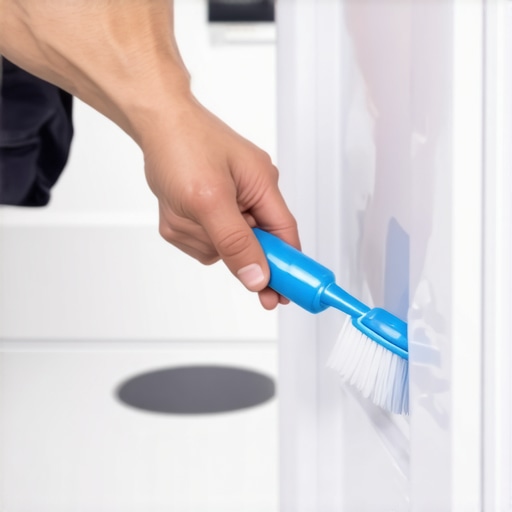
Ever had that sinking feeling when you open your fridge and notice water pooling at the bottom? It happened to me one chilly morning, and let me tell you, my first thought was, “Is my fridge giving up on me?” That moment was a real wake-up call. Refrigerators are usually the quiet heroes of our kitchens, but when they start acting up, especially with drainage issues, it can feel like the whole appliance is on strike. I remember scrubbing and cleaning, trying every hack I found online—only to see that stubborn water still make its sneaky way across the fridge floor. That was my lightbulb moment: I needed to fix the clogged drain hole once and for all.
Today, I want to share the tried-and-true steps that helped me resolve this nagging problem. If you’ve ever wondered why your fridge is leaking water or feared that a simple clog might turn into a costly repair, I promise these solutions are straightforward, backed by personal experience and expert advice. Whether you’re a DIY enthusiast or just tired of calling in the pros for every minor glitch, this guide is for you. We’ll tackle everything from identifying the culprit to cleaning out that tiny drain hole—yes, that minuscule part can cause big trouble.
Why Clogged Drain Holes Turn Your Fridge Into a Water Trap
Understanding the importance of your fridge’s drainage system is crucial. When the drain hole gets blocked—often by ice buildup or debris—water from defrosting or spills can’t escape properly. Instead, it pools inside or leaks onto your floor, risking mold and water damage. According to appliance experts, this is one of the most common causes of refrigerator leaks (see more at this comprehensive guide). The good news? It’s usually an easy fix, once you know where to look and what to do.
But here’s the thing—early in my own troubleshooting, I made a rookie mistake: I assumed it was a refrigerant issue or a faulty seal and wasted precious time and money. That’s a common slip-up. So, I want to help you skip that frustration. We’ll focus on the root cause—namely, that tiny drain hole hidden at the back or bottom of your fridge—and how to clear it out effectively.
Is Clearing the Drain Hole Really Worth the Effort?
At first, I wondered if addressing such a small issue was even necessary. But after a bit of research, I learned that ignoring a clogged drain could lead to bigger problems—like water damage or even mold growth. Plus, it saves money and keeps your appliance running smoothly. If you’re skeptical, ask yourself: Have you recently noticed water on your kitchen floor after defrosting? If so, it’s likely that your drain hole needs some attention. Ready to roll up your sleeves? Let’s get into the practical steps that finally made my fridge work like new again—and they can do the same for you. Stay with me.
,
Locate the Drain Hole with Precision
Start by unplugging your fridge to ensure safety. Move your appliance away from the wall to access the back or bottom, depending on your model. Use a flashlight to look for a small, rubber or plastic plug at the back or bottom—this is often where the drain hole resides. A personal trick: during my last clean, I placed a towel beneath to catch any accidental spills, making cleanup easier.
Prepare Your Tools and Set Up
Gather a long, flexible object like a pipe cleaner, a turkey baster, or a small aquarium siphon. Warm water mixed with a few drops of dish soap is your cleaning solution. Have a cloth or paper towels ready for wiping up splashes. I found that an old toothbrush helps scrub stubborn debris around the drain area, especially after loosening the clog.
Unplug and Access the Drain
Ensure the fridge is unplugged, then carefully remove the access panel or drawer beneath the fridge, if applicable. For the rear drain, gently pry out the rubber plug with a flat-head screwdriver or fingernail. Think of this step like opening a tiny hatch—your gateway to clearing blockages.
Flush Out the Clog Effectively
Insert the flexible tool into the drain hole—slide it in slowly to avoid damaging the delicate lining. Gently push and wiggle to dislodge any ice or debris. Once you feel the clog loosen, use the turkey baster to force warm water into the drain, flushing out residual gunk. My last session involved a bit of a messy splash, but the water flowed freely afterward, restoring proper drainage.
Clean and Finish the Procedure
Wipe the area with a clean cloth, removing any residue or pooling water. Reinsert the rubber plug securely. Plug the fridge back in, set it to normal, and monitor for leaks or water pooling. It might take a few defrost cycles to see the full benefits, but I noticed an immediate improvement once I completed these steps. For ongoing maintenance, check your drain regularly by slipping a pipe cleaner through to prevent future clogs.
Extras to Keep in Mind for Long-Term Performance
Keep the area around your fridge’s drain clean and dry. Avoid spilling liquids directly into the fridge to prevent ice build-up at the drain. If your fridge is equipped with an automatic defrost system, periodic manual checks can save you from surprises. Interested in upgrading your appliance for better efficiency? Visit this guide on future refrigerator features for insights.
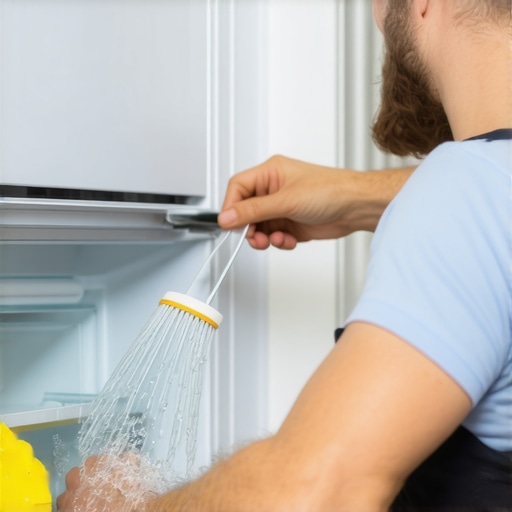 Many homeowners believe they understand their appliances, but in reality, there’s a wealth of misconceptions and overlooked details that can lead to inefficiency and damage. For example, a widespread myth is that higher wattage always means better performance. While it might seem logical, this isn’t necessarily true—overpowering certain models can lead to quicker wear and tear rather than improved functionality. According to appliance experts, selecting the right wattage based on your specific needs and appliance design is more beneficial than simply choosing the highest wattage available. For instance, energy-efficient dishwashers equipped with AI technology optimize water and power use, challenging the outdated belief that more power equals cleaner dishes. To truly maximize your appliances’ lifespan and efficiency, understanding their nuances is essential.
Another common mistake is neglecting regular maintenance because of misconceptions about appliance longevity. Many think that they’ll last forever without intervention, but routine checks, like cleaning fridge coils or descaling washing machines, significantly extend appliance life. Skipping these steps can cause subtle issues to escalate, resulting in costly repairs or early replacement. Don’t fall into this trap—investing a bit of time into proper upkeep pays off in the long run.
What many fail to realize is the importance of proper load management in washers and dryers. Overloading can strain components, reduce cleaning efficiency, and increase energy consumption. Conversely, underloading isn’t economical either. An ideal load balances these factors, ensuring optimal performance and longevity. For insights on how smart washing machines can simplify laundry day, check out [this resource](https://smartappliancereview.com/how-smart-washing-machines-can-simplify-laundry-day).
Addressing these myths and nuances isn’t just about saving money—it’s about making informed choices that enhance your home’s smart appliances and prevent avoidable issues. Modern appliances now come with features that, if understood correctly, can dramatically improve your daily routines, from refrigerators that adapt to your usage patterns to dishwashers with AI-powered spray arms. To stay ahead, stay informed.
Now, a question for the advanced enthusiast: How does the inverter technology in modern refrigerators truly impact energy efficiency compared to traditional models? Experts highlight that inverter compressors adjust their speed based on cooling demand, leading to significant energy savings and quieter operation. For a deeper dive into future refrigerator features, explore [this guide](https://smartappliancereview.com/refrigerators-in-2025-top-features-that-transform-your-kitchen).
Have you ever fallen into this trap? Let me know in the comments.
Maintaining your home appliances, from refrigeration units to dishwashers, requires more than just periodic cleaning; it demands the right tools, consistent routines, and a forward-looking mindset. As appliances become smarter, leveraging specialized equipment and software can significantly extend their lifespan and ensure optimal performance. One of my go-to tools is a digital infrared thermometer, which I use monthly to check my fridge’s internal temperature. This inexpensive yet crucial device helps catch cooling issues early, preventing costly repairs or replacements. For example, keeping the refrigerator’s temperature consistently around 37°F (3°C) ensures food safety and energy efficiency, as highlighted in this expert guide.
Another essential component of my maintenance arsenal is a set of mini screwdrivers and multimeters. These allow me to troubleshoot electrical issues, such as checking for proper voltage supply or testing fans and sensors. When diagnosing problems, I rely heavily on appliance-specific diagnostic apps that connect via Wi-Fi or Bluetooth. These apps provide real-time firmware updates and error logs, making it easier to identify wear-and-tear or software glitches without calling in a professional. As smart appliances evolve, integrating these tools into your routine becomes vital for proactive maintenance rather than reactive repairs.
Scheduling regular cleaning cycles is also crucial. For dishwashers, I recommend running a deep-clean cycle every three to six months using a descaling agent or vinegar to prevent mineral buildup. For refrigerators, cleaning coils twice a year dramatically improves efficiency. Additionally, some appliances now feature built-in diagnostic functions. For instance, certain smart washing machines can self-report issues via their dedicated apps, allowing you to schedule repairs before a breakdown occurs. This capacity for predictive maintenance is where I believe the industry is heading — toward hyper-personalized, preventative care that saves time and money.
Investing in a power surge protector for your high-end appliances can shield them from voltage spikes, extending their service life. I plug my refrigerators and smart home hubs into surge protectors, which I select based on their joule ratings and compatibility with the appliances’ power requirements. For expert advice on this, consult our privacy policy to understand data and safety protections best suited for connected appliances.
Looking ahead, I predict that the integration of AI-driven diagnostics and IoT connectivity will make appliance maintenance more about monitoring than manual troubleshooting. Advanced sensors will detect early signs of wear, triggering alerts via your smartphone long before minor issues escalate. This evolution makes it easier than ever to keep appliances working efficiently over extended periods. For those eager to prepare, exploring future trends can provide valuable insights into the next wave of smart home tech.
How do I maintain my smart appliances over time?
Adopting a proactive approach by regularly updating firmware, checking connectivity, and performing scheduled cleanings can dramatically increase the lifespan of your smart appliances. Remember, the key is combining technological tools—like diagnostic apps and digital testers—with consistent mechanical upkeep. For instance, routinely inspecting your refrigerator’s door seals and cleaning the condenser coils can prevent energy waste and mechanical failures. Make it a habit; your appliances will thank you with years of reliable service. Why not try calibrating your refrigerator’s temperature sensor using a digital thermometer today? It’s an advanced tip that pays off in energy savings and food preservation, and you can find detailed instructions at this resource. Building such routines now ensures your appliances continue working seamlessly well into the future.
The Little Secrets That Changed My Approach to Appliance Care
One of the most eye-opening lessons I learned was how a tiny, often-overlooked drain hole could cause a cascade of issues, transforming my reliable fridge into a waterscape. I realized that regular attention to these small components isn’t just maintenance—it’s prevention. The biggest mistake I made early on was assuming that complex problems always require complex solutions, when in reality, many issues stem from simple, easily fixable causes like ice buildup or debris in the drain. This insight changed my entire perspective on appliance troubleshooting, making me more proactive and confident in my ability to address problems before they escalate. Trust me, paying attention to these minute details can save you time, money, and frustration in the long run.
My Go-To Resources for Appliance Wisdom
Over the years, I’ve curated a set of tools and sources that help me keep my appliances in top shape. The first is a digital infrared thermometer—it’s invaluable for checking fridge temperatures and catching cooling issues early. I also rely on trusty repair guides, especially this expert-backed resource which offers practical advice tailored for homeowners. For troubleshooting electrical components, a multimeter is a must-have. And for staying updated on smart appliance advancements, this guide to future features keeps me informed and inspired. These tools and insights empower me to maintain my appliances confidently and efficiently.
Take Charge and Keep the Water Flowing
Remember, your home appliances are an extension of your care and attention. Regular maintenance, a curious mind, and the right tools can turn what once seemed daunting into manageable routines. Don’t wait for a leak or malfunction to remind you of their importance—be proactive, stay informed, and treat your appliances as trusted partners. Every small effort you put into maintaining them today pays off in reliable performance tomorrow. If you’re ready to elevate your appliance care, start by checking your refrigerator’s drain periodically and implementing some of the tips shared here. How will you take control of your home appliances today? Let me know below and share your own maintenance wins or challenges.