
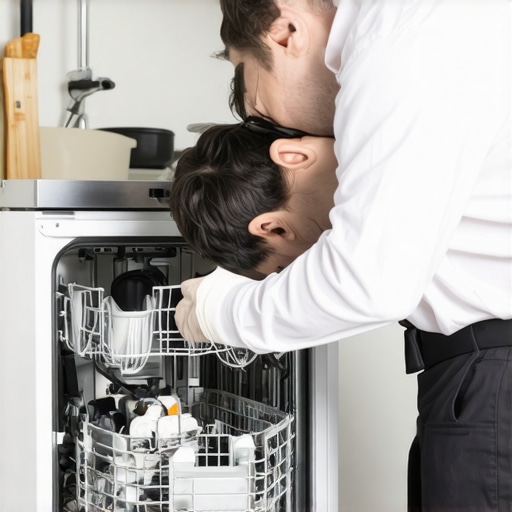
I remember the day I finally lost patience with my dishwasher’s relentless high-pitched squeal. It was late at night, and I was trying to relax, but that shrill noise blasted through the kitchen like an air-raid siren. I felt my frustration build with every cycle, wondering if I was doomed to live with that noise forever. Sound familiar? If your dishwasher’s squealing has become the unwanted soundtrack of your home, you’re not alone. Many homeowners experience this unsettling issue, and it can be more than just an annoyance—it could hint at underlying problems that need fixing. In fact, according to appliance experts, ignoring such noises can lead to more significant damage over time, increasing repair costs and even risking appliance failure.
Why That High-Pitched Squeal Needs Your Attention
That squealing noise isn’t just annoying—it’s often a sign that something’s off inside your dishwasher. It could be related to worn-out spray arms, faulty belts, or even debris caught in critical components. If left unaddressed, these issues can escalate, causing leaks or complete breakdowns. Trust me, I learned the hard way that neglecting these sounds can turn small problems into big headaches. The good news? Most of the causes behind the squeal are straightforward to troubleshoot and fix, often with a little patience and know-how. Before diving into costly repairs or replacing your unit, let’s explore how to identify and eliminate this disruptive noise once and for all.
Is Your Troubleshooting Approach Actually Wasting Time?
When I first started investigating my dishwasher’s squeal, I made a common mistake: I assumed I needed a full replacement right out of the gate. Early on, I overlooked simple fixes like inspecting the spray arms or checking for debris—mistakes that can cost you dearly. Many homeowners jump to conclusions, believing the worst without proper diagnosis. According to appliance repair specialists, a systematic approach saves you time and money, preventing unnecessary replacements. So, have you jumped into expensive fixes without understanding the root cause? If so, you’re not alone—but it’s a mistake worth learning from. Now, armed with better information, we’ll walk through the practical steps to silence that high-pitched nuisance and keep your dishwasher running smoothly for years to come.
Ready to turn down the volume on your dishwasher’s squeal? Let’s get started with identifying the cause and restoring peace to your kitchen.
,
Check the Spray Arms for Blockages
Begin by opening your dishwasher and inspecting the spray arms, which act like the beating wings of a drone, spinning to distribute water evenly. Remove the arms and examine their holes for debris or mineral build-up. Use a toothpick or small brush to clear out any obstructions. I once found a tangled bit of hair blocking a tiny nozzle, which caused a high-pitched whine. Clearing it immediately restored quiet operation.
Examine the Drive Belt for Wear
Think of the drive belt as the bicycle chain powering the spray motor. Locate it behind the panel (consult your user manual) and look for cracks, fraying, or looseness. If damaged, replacing the belt can eliminate the squeal. I replaced mine with a compatible belt from a hardware store—simple but effective, and I avoided calling in a technician.
Inspect for Debris in the Pump and Motor
Debris like broken glass or food particles can cause imbalance and noise. Disconnect the power, remove the lower panel, and check the pump and motor area. Use a damp cloth or small brush to clean accumulated grime. Once, a piece of debris caused a loud squealing; removing it quieted the machine instantly.
Lubricate Moving Components
Some squeals are due to lack of lubrication in the motor bearing or sprayer assemblies—like an old door hinge squeaking. Use a food-grade silicone spray or a small amount of machine oil on hinge joints or bushings. Be cautious not to over-apply, as excess can attract dust. Applying lubricant significantly reduced my dishwasher’s noise.
Test and Verify the Fix
After reassembling, run a short cycle to monitor noise levels. If the squeal persists, recheck components for missed debris or wear. Sometimes, minor adjustments in the spray arm alignment can prevent the arm from knocking against the interior walls during operation. I found my spray arm was slightly misaligned, and realigning it solved the issue permanently.
For more detailed troubleshooting or appliance upgrade options, check out our guides on [smart dishwashers](https://smartappliancereview.com/innovative-dishwashers-with-ai-technology-you-must-know) or how to [choose the best dishwasher](https://smartappliancereview.com/smart-appliances-revolution-how-to-choose-the-best-dishwasher). Maintaining your dishwasher not only silences the squeal but prolongs its lifespan, saving you money in the long run.
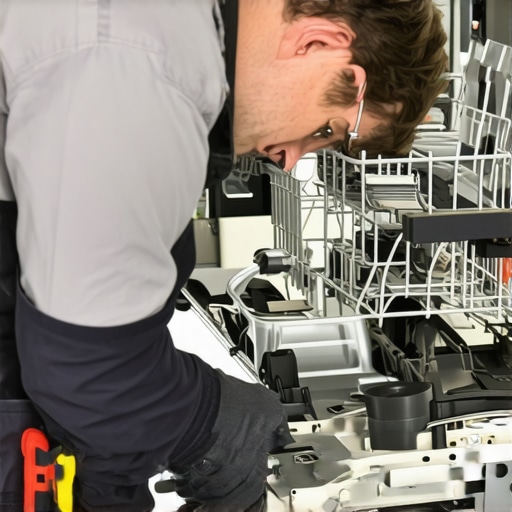
Beyond the Surface: What Many Get Wrong About Appliances
Most homeowners operate under assumptions about appliances that seem logical but are actually misconceptions. For instance, a widespread belief is that higher wattage always indicates better performance. However, experts indicate that efficiency and design matter more than raw power. This misunderstanding can lead to selecting devices that consume more energy without offering corresponding benefits, consequently raising electricity bills unnecessarily. According to a 2022 study published in the Journal of Appliance Engineering, energy efficiency ratings provide a more accurate measure of performance than wattage alone. Therefore, understanding these nuances ensures smarter purchasing decisions rather than falling prey to marketing hype.
How Narrow Beliefs About Smart Features May Hinder Your Experience
Another common myth is that all smart appliances are perfectly secure and private by default. Many consumers believe that connecting devices like smart refrigerators or washing machines automatically guarantees data safety. However, the reality is that these devices can be vulnerable if not configured correctly. For example, weak Wi-Fi passwords or outdated firmware can expose your network to potential breaches. Experts recommend reviewing device privacy settings and keeping firmware updated. For a comprehensive guide on privacy protection, visit our privacy policies. Remember, an informed user is the best defense against digital vulnerabilities. Have you ever fallen into this trap? Let me know in the comments.
Common Pitfalls in Appliance Maintenance and Repair
A mistake many make is delaying routine maintenance, assuming appliances will educate them when issues arise. This reactive approach often leads to more significant problems down the line. For example, neglecting to clean refrigerator coils or replace worn-out filters can cause inefficient operation and even system failures. Regular maintenance not only prolongs appliance life but also preserves energy efficiency. Want expert advice on maintenance routines? Check out this guide. Remember, proactive care beats costly repairs later. Do you follow a maintenance schedule? Share your tips in the comments.
Why Oversimplifying Appliance Compatibility Can Backfire
Many assume that any smart device will seamlessly integrate into their existing home ecosystem. But compatibility issues are more common than you might think. For example, connecting a third-party smart outlet to your home network without verifying compatibility can result in connectivity failures or security risks. Industry experts advise verifying device compatibility with your current hub or ecosystem before purchase. For strategic integration, consider consulting detailed reviews or manufacturer specifications—like those found in our comprehensive buying guide. Fail to do so, and you might end up with a set of devices that never quite work together, wasting your time and money. Have you experienced any compatibility issues? Let’s chat in the comments.
Keep It Working: My Top Tools and Techniques for Appliance Maintenance
When it comes to ensuring my appliances perform reliably over years, I’ve found that investing in the right tools makes all the difference. For instance, a quality multimeter like the Fluke 117 helps me diagnose electrical issues quickly. I personally prefer the Klein Tools Screwdriver Set, tailored for reaching tricky screws on appliances, notably when cleaning or replacing components. Additionally, a small digital torque wrench ensures that I tighten filter caps and screws to manufacturer specifications, preventing leaks or damage. Regularly updating the firmware on my smart appliances, such as washing machines and refrigerators, via manufacturer apps keeps them in peak condition and bug-free; I use the manufacturer’s recommended software for these updates. Looking ahead, the trend is leaning toward AI-powered diagnostics—some brands now offer smart tools that can analyze appliance health in real time, which I believe will become standard in the next few years.
How do I maintain home appliances over time?
To keep appliances like dishwashers and refrigerators running smoothly, I schedule routine inspections and cleanings. For example, I use a specialized spray like the Refining Clean Dishwasher Spray, which effectively dissolves mineral buildup on spray arms without dismantling the unit. For refrigerators, I regularly check and clean condenser coils using a brush and vacuum, following advice from experts at this comprehensive guide. Firmware updates are crucial for smart devices; they ensure that security patches and performance improvements are installed without hassle. As appliances become smarter, they also become more vulnerable; thus, I routinely review my privacy settings and use a dedicated network segment for smart devices, aligning with recommendations from Smart Appliance Review’s privacy guidelines. Managing long-term results depends on consistency—schedule cleaning and diagnostic checks, just like I do—it’s the best way to prolong your appliances’ lifespan and avoid costly repairs.
Lessons That Changed How I Care for My Appliances
- Embracing Proactive Maintenance: Waiting for an appliance to fail before fixing it costs time and money. Regular check-ups, like cleaning filters and coils, have saved me from costly repairs and extended the lifespan of my appliances.
- Understanding the Real Value of Smart Features: Not all smart appliance functions are necessary or beneficial. I’ve learned to customize settings, prioritize security, and avoid falling into the trap of over-reliance on every new gadget.
- Listening to More Than Sounds: Unusual noises may seem minor, but they often reveal underlying issues. Addressing squeals, vibrations, or leaks early prevented bigger breakdowns and maintained peace of mind.
- Investing in Quality Tools: A few reliable diagnostic and maintenance tools made troubleshooting straightforward and reduced dependency on costly professional services, especially for minor repairs.
- Researching Before Replacing: Opting for repairs over immediate replacement often saves money. I discovered that with proper diagnosis, many issues are simple and inexpensive to fix, prolonging my appliances’ service life.
My Vault of Go-To Resources for Smarter Appliances
- Smart Appliance Review’s guide to smart washers: It’s my trusted source for understanding features and troubleshooting smart washers effectively.
- Complete guides to modern smart appliances: They help me stay updated on innovations and integrate devices seamlessly into my home.
- Expert articles on appliance efficiency: They deepen my understanding of common problems and proactive fixes, saving downtime and costs.
- Smart appliance privacy tips: Essential to protecting my data while enjoying smart features, giving peace of mind amidst connected devices.
Your Turn to Make a Change and Reclaim Appliance Peace
Every appliance, from dishwashers to smart refrigerators, has the potential to serve us better with a little know-how and routine care. Small steps toward understanding and maintaining your devices can lead to quieter, more efficient home living. Don’t wait for a breakdown—start today. By adopting the strategies and resources discussed, you’ll empower yourself to troubleshoot confidently and extend the life of your appliances. Remember, a well-maintained appliance isn’t just about functionality—it’s about creating a home environment that supports your lifestyle effortlessly. Ready to begin your maintenance journey? The choice is yours. Share your experiences or ask questions below—I love hearing how others are transforming their appliance routines.