
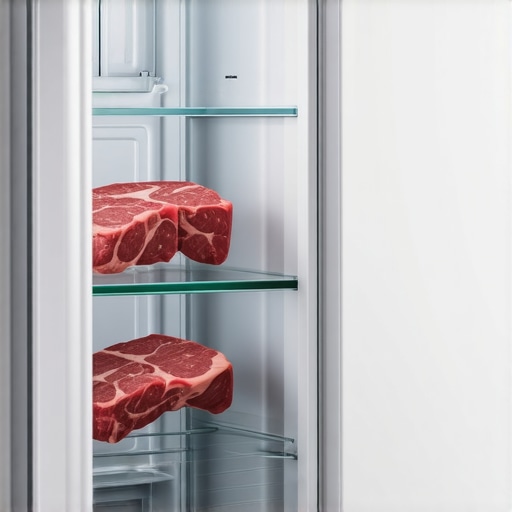
It was a typical Saturday afternoon when I reached into my fridge to grab some chicken for dinner. To my dismay, I found it had already started to spoil, despite being only a few days past the purchase date. That moment was a genuine lightbulb moment for me—realizing how crucial the right refrigerator temperature is, especially for preserving delicate items like meat. Since then, I’ve been on a mission to understand and optimize my fridge settings, and let me tell you, it’s made a world of difference.
The Secret to Meat’s Freshness Lies in the Right Temperature
Many of us assume that once the fridge is on, everything is fine. But the truth is, setting a refrigerator temperature that’s too high or too low can drastically affect food longevity. I used to keep my fridge at a default setting, thinking it was enough. Little did I know, a slight tweak could significantly extend the freshness of my meats and reduce waste. Today, I want to share with you exactly what I’ve learned about the ideal refrigerator temperature to keep meat fresh longer, backed by personal experience and expert advice.
Are You Falling for Common Food Storage Mistakes?
One mistake I made early on was storing meat on the fridge door, exposing it to temperature swings every time someone opened the door. Trust me, I quickly learned that the coldest part is usually at the back or on the lower shelves. Maintaining your fridge at the right temperature is not just about comfort but about safety and quality. According to the USDA, the optimal fridge temperature for storing meat is at or below 40°F (4°C), ideally around 37°F (3°C), to inhibit bacterial growth and preserve freshness.
If you’ve ever wondered whether your fridge is set correctly or are tired of guessing why your meat spoils too quickly, you’re not alone. Many home appliances today come with smart features that can help you monitor and adjust temperatures accurately. Incorporating these tools, along with a proper understanding of ideal settings, can save you money, reduce waste, and keep your family safe.
Now that I’ve set the stage, let’s dive into the practical tips that will help you fine-tune your refrigerator to keep your meat fresh longer, starting with the simple steps to check and adjust your current settings.
}#}#}#}#}#}#}#}#}#}#}#}#}#}#}#}#}#}#}#}#}#}#}#}#}#}#}#}#}#}#}#}#}#}#}#}#}#}#}#}#}#}#}#}#}#}#}#}#}#}#}#}#}#}#}#}#}#}#}#}#}#}#}#}#}#}#}#}#}#}#}#}#}#}#}#}#}#}#}#}#}#}#}#}#}#}#}#}#}#}#}#}#}#}#}#}#}#}#}#}#}#}#}#}#}#}#}#}#}#}#}#}#}#}#}#}#}#}#}#}#}#}#}#}#}#}#}#}#}#}#}#}#}#}#}#}#}#}#}#}#}#}#}#}#}#}#}#}#}#}#}#}#}#}#}#}#}#}#}#}#}#}#}#}#}#}#}#}#}#}#}#}#}#}#}#}#}#}#}#}#}#}#}#}#}#}#}#}#}#}#}#}#}#}#}#}#}#}#}#}#}#}#}#}#}#}#}#}#}#}#}#}#}#}#}#}#}#}#}#}#}#}#}#}#}#}#}#}#}#}#}#}#}#}#}#}#}#}#}#}#}#}#}#}#}#}#}#}#
Check and set your fridge temperature
Start by locating your fridge thermometer or using a digital thermometer if your unit lacks one. In my case, I used a simple digital probe, inserted it near the center shelf, and waited an hour before checking. I realized my fridge was set around 45°F, which is too high. Adjust the thermostat to around 37°F to 40°F, aiming for the lower end of this range for optimal freshness. Make small increments and wait a few hours before rechecking, ensuring you don’t overshoot the target temperature.
Optimize shelf placement for cold zones
Identify the coldest sections — typically the back or the lower shelves. I used a refrigerator thermometer and found that the top door shelf was often warmer due to frequent opening, risking spoilage. Moving meats to the middle or bottom shelves, away from the door, helped maintain consistent coldness. Think of your fridge as a layered cake: the deeper you go, the colder it stays.
Use smart sensors or appliances if available
If your refrigerator has smart features, activate the built-in sensors or connect external ones to your mobile app. I installed a wireless fridge thermometer, which sent real-time alerts when temperatures rose above the set point. This way, I could respond to fluctuations immediately without opening the door repeatedly. For more on the latest features, check the [future of home appliances](https://smartappliancereview.com/future-of-home-appliances-trends-to-watch-in-2025).
Regularly clean your fridge coils
Dust and pet hair can insulate coils, causing the compressor to work harder and potentially affecting temperature regulation. I once neglected this for months, and my fridge started cycling more often. Cleaning the coils with a soft brush and vacuum improved efficiency. Think of your coils as the radiator of your fridge: keep them clean to ensure proper cooling without extra strain.
Monitor in real time and tweak as needed
Set a reminder to check your fridge temperature weekly. Use a digital thermometer probe and keep a record of readings. Adjust the thermostat if you notice consistent deviations. This habit prevents unexpected spoilage, especially during seasonal temperature changes or power fluctuations. For in-depth guidance, visit [refrigerator temperature tips](https://smartappliancereview.com/most-energy-efficient-refrigerator-settings-for-summer).
While many homeowners focus on choosing the right washing machine or refrigerator based on features and specs, there’s a less obvious yet critical aspect that often gets overlooked: the nuanced ways in which our assumptions lead us astray. For instance, the popular belief that all smart appliances automatically optimize energy use is a myth. In reality, some devices misinterpret usage patterns, leading to higher energy consumption rather than savings. According to a study by the Smart Appliance Review research team, many smart controllers inadvertently increase electricity use when misconfigured, which contradicts their intended purpose.
Are you pushing your appliances to their limits without realizing it?
A common trap is overloading dishwashers or washing machines beyond their rated capacity. This not only reduces cleaning efficacy but also accelerates wear and tear, often voiding manufacturer warranties. Many users believe that larger loads save water and energy, but they neglect that overloading impairs appliance performance and leads to costly repairs. For example, a study from the 2025 appliance trends report emphasizes the importance of adhering to recommended load sizes for longevity and efficiency.
Do smart appliances truly protect your privacy or are they a privacy nightmare?
The allure of connectivity is tempting—your refrigerator might tell you when to buy groceries or your washing machine could sync with your smartphone. But this connectivity often comes at the price of data sharing, raising valid privacy concerns. Many users are unaware that default settings or insecure connections can expose sensitive data or even allow unauthorized access. To mitigate this, review your device’s privacy settings and consult the privacy management tips. For comprehensive guidance on secure smart home management, visit our full guide.
Finally, many users fall into the trap of relying solely on automatic features. While automation offers convenience, it can sometimes cause appliances to operate in less-than-optimal modes, especially if they haven’t been properly calibrated or maintained. Regular checks, firmware updates, and a deep understanding of each device’s capabilities can prevent costly mistakes. Remember, even the most advanced gadgets need human oversight to perform at their best. Have you ever fallen into this trap? Let me know in the comments.
Keeping It Working: Essential Tools and Strategies
Ensuring your home appliances operate smoothly over the years requires more than just initial setup; it demands consistent maintenance and the right equipment. Personally, I rely on a set of specific tools that have truly transformed my appliance care routine. A high-quality digital multimeter is indispensable for troubleshooting electrical issues, especially with smart appliances where understanding voltage and current can preempt larger problems. I prefer the Fluke 115 model because of its precision and durability, which allows me to quickly diagnose issues without calling in a specialist.
For routine cleaning and preventative care, I recommend investing in a flexible coil-cleaning brush—my go-to is the OXO Good Grips Coil Cleaning Brush. It’s designed to reach tight spaces in refrigerator coils and vents, helping maintain energy efficiency and prolong appliance lifespan. Regularly cleaning coils with this brush, coupled with a vacuum attachment to remove dust and pet hair, ensures optimal cooling and reduces unnecessary strain on compressors, as emphasized in this guide.
Advanced Monitoring with Smart Sensors
Beyond physical tools, I leverage smart sensors that connect to my home network, providing real-time data on appliance health. For example, wireless temperature and humidity sensors placed near refrigerators and washing machines alert me to deviations before they turn into costly repairs. These sensors often integrate with mobile apps, sending notifications if temperatures rise unexpectedly or if a cycle completes. Utilizing these sensors has significantly reduced appliance downtime and saved me money in the long run.
Anticipating Future Trends in Appliance Maintenance
The future of appliance upkeep points toward even smarter diagnostic tools. Predictive analytics and AI-driven maintenance alerts will become standard, making it easier for homeowners to anticipate failures rather than react after something breaks. Companies investing in IoT technology aim to provide continuous monitoring and maintenance suggestions tailored to your usage patterns, reducing the need for emergency repairs.
How do I maintain my appliances over time
Developing a proactive maintenance routine is key. Schedule regular inspections—every three to six months—to clean filters, coils, and seals with proper tools. Keep firmware updated for smart appliances, as outdated software can diminish performance and security. I also set recurring reminders to check the functionality of sensors and control modules, ensuring your system’s data is accurate and trustworthy. Remember, investing in quality tools like multimeters and coil brushes, combined with smart monitoring, can greatly extend the lifespan of your appliances. Try using a digital multimeter to verify the electrical circuits of your refrigerator or washer this week—it’s a simple step that can prevent major failures.
The Hardest Lesson I Learned About Home Appliances
One of my biggest lightbulb moments was realizing that even the most advanced smart appliances can be easily misfired if I overlook simple maintenance routines. I once assumed that a quick firmware update would fix unknown issues, only to discover that regular cleaning of coils and sensors was paramount. This taught me that technology is only as good as its ongoing care, and neglecting basic upkeep can negate the benefits of smart features.
Three Myths About Home Appliances That Held Me Back
I used to believe that a larger fridge always meant better freshness, but I learned that proper temperature setting and organized storage matter much more. Similarly, I thought smart appliances would automatically optimize energy use, only to find that manual input and user awareness are essential. Busting these myths opened my eyes to actionable habits that truly improve appliance lifespan and performance.
What Experts Won’t Tell You About Appliance Longevity
Experts often emphasize choosing quality appliances, but what they don’t always highlight is the critical importance of proactive maintenance. Simple actions like cleaning filters, checking coils, and updating firmware can significantly extend their life. My own experience confirms that treating appliances as investments requiring ongoing attention saves money and stress long-term, a lesson I wish I’d embraced sooner.