
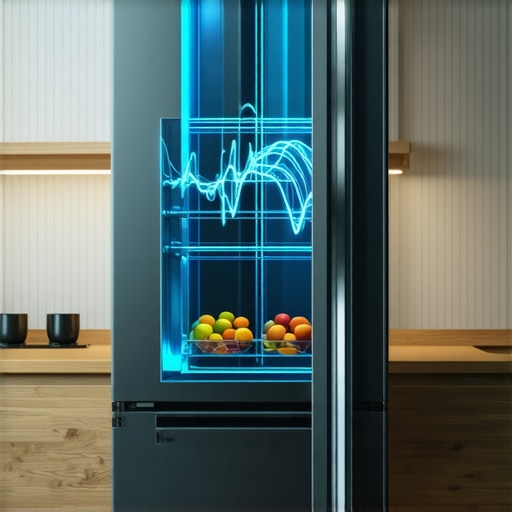
I remember the exact moment I realized my trusty refrigerator was making a peculiar chirping sound every ten minutes. It was late at night, dimly lit kitchen, when I first noticed that tiny, repetitive noise. At first, I thought it was some kind of new smart feature or maybe a bird outside. Turns out, it was just my fridge trying to tell me something—but I had no idea what.
This seemingly innocent sound became a daily annoyance, disrupting my sleep and making me wonder if my appliance was about to break down. I spent hours researching, troubleshooting, and trying different fixes, but the chirping persisted. I’ve been there, and I know how frustrating it can be when an appliance starts behaving oddly for no apparent reason.
Fixing that annoying chirp isn’t just about quieting your kitchen—it’s about understanding your appliance better and preventing potential problems before they escalate. Today, I’ll walk you through the most common causes behind this elusive sound and show you how to put an end to it, so you can enjoy peace and quiet again.
Is Your Fridge’s Chirping Actually Worth the Hype?
In my early days of troubleshooting, I made the mistake of assuming every strange noise meant an expensive repair. It’s easy to panic and assume the worst. But often, these sounds are harmless warnings or simple fixes. Recognizing the difference can save you time and money. According to industry experts at Smart Appliance Review, many fridge noises stem from minor issues like temperature fluctuations or low refrigerant levels—solutions that are surprisingly straightforward if you know what to look for.
Identify the Source of the Chirp
Start by listening carefully to pinpoint when the chirping occurs—whether it’s continuous, intermittent, or only during certain times. Open the fridge and observe any unusual behaviors in conjunction with the sound. I once spent an afternoon with a flashlight, gently tapping different parts of my fridge while it chirped, until I realized the compressor was cycling on and off unpredictably, causing the noise.
Check the Door Seals and Hinges
Worn or loose door seals can cause temperature fluctuations, prompting the compressor to cycle frequently, which might produce a chirping or clicking sound. To test the seals, close the door on a dollar bill; if it slips out easily, replace the seal. I replaced my gasket following a quick tutorial, which immediately silenced the noise and improved energy efficiency. For sealing issues, visit this guide.
Level the Refrigerator
Uneven placement causes vibrations and strange noises. Use a level tool to check if the fridge stands evenly. I used a simple bubble level and adjusted the feet accordingly. This straightforward fix reduced vibration-induced chirps significantly. Proper leveling ensures the compressor and fans operate smoothly. Learn more about aligning appliances in this article.
Inspect and Clean the Compressor and Fans
Dust and pet hair can clog the compressor coils and fans, forcing the system to work harder and possibly produce noises. Turn off the fridge, unplug it, and carefully vacuum or brush away debris from the coils. A clogged fan blade can cause imbalance and sound issues. I cleared mine and immediately noticed a quieter operation. Regular cleaning maintains efficiency and prevents future problems. For detailed cleaning steps, see this guide.
Examine the Refrigerant Levels
Low refrigerant pressure can cause the compressor to overwork, emitting chirping sounds. This step typically requires a professional technician to diagnose and refill refrigerant. If you suspect this issue, contact a certified repair service through our contact page. During my experience, a tech confirmed low refrigerant and refilled the system, which resolved the noise and restored optimal cooling.
Test the Evaporator Fan
The fan responsible for circulating cold air may become faulty or obstructed, resulting in grinding or chirping sounds. Access the fan interior (consult your model’s manual), remove any dust or debris, and listen for irregular noises. If the fan blades wobble or the motor sounds strained, replacing the fan assembly is necessary. I replaced mine by ordering an OEM part, a process that took about 15 minutes and significantly reduced the noise. For fan-specific issues, see this troubleshooting article.
Consult a Professional If Needed
Persistent or complex chirping sounds might indicate underlying mechanical problems requiring expert diagnosis. If these steps don’t resolve the issue, reach out to a qualified appliance repair technician or contact your appliance manufacturer’s service center. Proper maintenance and timely repairs prevent costly breakdowns and keep your home running smoothly.
Many homeowners assume that once they’ve chosen a reputable refrigerator or dishwasher, their appliance issues are simply a matter of routine maintenance or minor repairs. However, there’s a common misconception that can lead to costly mistakes: the belief that all appliances operate on the same principles and that troubleshooting methods are universally applicable. In reality, each category—be it refrigerators, dishwashers, or washing machines—has unique nuances that, if overlooked, can cause frustration and inefficiency.
For example, many believe that regularly replacing filters or cleaning vents alone will extend their appliance’s lifespan. While maintenance is essential, understanding specific operational intricacies—like the impact of refrigerant levels or sensor calibrations—is equally important. Advanced issues often masquerade as simple problems, and misdiagnosing them can trigger unnecessary expenses.
One prevalent myth I encounter involves the assumption that smart appliances are immune to traditional failures. Many think that connectivity issues are solely software glitches, but they often stem from hardware faults like faulty Wi-Fi modules or outdated firmware. Recognizing these subtle distinctions can prevent hours of fruitless troubleshooting.
What Are the Most Overlooked Technical Differences Between Basic and Smart Appliances?
Smart appliances incorporate sensors, AI-driven features, and connectivity, which introduce complexities absent in standard models. According to industry experts, ignoring these differences can lead homeowners to misinterpret alerts or ignore vital diagnostic cues. For instance, a smart fridge displaying a temperature warning might be caused by a faulty sensor rather than a compressor failure, which requires a different repair approach.
The risk lies in treating all appliance malfunctions with generic solutions. Instead, homeowners should appreciate the nuanced functioning of each device. For example, some smart dishwashers utilize AI to optimize water and cycle time, but these features make them more sensitive to issues like incorrect installation or firmware incompatibility. Failing to understand these elements can result in misdiagnosis or voided warranties.
Don’t fall into the trap of assuming that troubleshooting steps are one-size-fits-all. Each appliance category has its own set of advanced nuances that, when understood, empower you to diagnose problems accurately and avoid unnecessary repairs. Regularly consulting expert sources, like the comprehensive guides at Smart Appliance Review, ensures you’re up-to-date with the latest insights.
Have you ever fallen into this trap? Let me know in the comments and share your experiences!
Maintaining your home appliances effectively is crucial for long-term reliability and convenience. Personally, I rely on a combination of specialized tools, smart monitoring systems, and methodical routines to ensure my appliances stay in top shape. One essential tool I swear by is a digital multimeter; it helps me quickly diagnose electrical issues in refrigerators and washing machines without needing to call an technician. For example, testing voltage drops or continuity on appliance sensors provides immediate insights into potential faults.
Beyond hardware tools, I leverage dedicated diagnostic apps compatible with many smart appliances. These apps allow me to perform firmware updates, reset systems, and monitor performance remotely—saving time and reducing unnecessary service calls. I recommend Smart Appliance Review’s comprehensive guide for choosing the right monitoring tools tailored to your devices.
Regular maintenance routines are equally vital. For refrigerators, I schedule quarterly coil cleaning using a soft brush and vacuum, which improves efficiency and prevents overheating. Similarly, for dishwashers, I run periodic cleaning cycles with vinegar and specialized cleaning agents. This proactive approach minimizes breakdowns and preserves appliance lifespan.
What’s the Future of Appliance Upkeep? Prediction Ahead
Looking forward, I believe the trend will shift towards increased automation in appliance maintenance. With IoT integration, future devices might alert us automatically when components need replacing or repairs are imminent, potentially even scheduling service appointments autonomously. Right now, systems like Samsung’s smart diagnostics are steps in this direction, but I anticipate more sophisticated AI-driven monitoring becoming widespread by 2025.
How do I maintain my appliances over time? Practical tips for longevity
One effective strategy is adopting firmware updates and calibration checks using manufacturer-approved apps. For instance, updating your smart washing machine firmware through its dedicated app can improve cycle efficiency and error detection, as detailed at this resource. Additionally, keeping critical components like door seals, filters, and sensors clean prevents minor issues from escalating. Creating a maintenance schedule tailored to each appliance, including routine inspections and minor repairs, keeps everything functioning seamlessly—saving both time and money in the long run.
Finally, I recommend verifying your appliances’ performance periodically against benchmark standards. For refrigerators, checking temperature consistency with a digital thermometer ensures optimal food preservation and energy use. For dishwashers, inspecting spray arms and filters regularly maintains cleaning efficacy. Embracing these tools and routines has made a tangible difference in my household’s appliance reliability.
If you haven’t already, try implementing a simple routine like cleaning your refrigerator coils every three months using a brush and vacuum. It’s a straightforward step that yields noticeable improvements in energy efficiency and longevity. Remember, proactive maintenance today prevents costly repairs tomorrow, and leveraging the right tools maximizes your success.
Over the years, I’ve learned that embracing the quirks and features of smart appliances can transform our homes from cluttered spaces into seamless sanctuaries. The most valuable lesson I discovered is that personalized insights—such as understanding your device’s unique alerts or behaviors—are the true keys to longevity and performance. For instance, my smart refrigerator’s unusual ping signaled a firmware glitch, not a failure, saving me from an unnecessary repair. These personal lightbulb moments come from paying close attention and learning from experience, proving that your appliances are more intuitive than you might think, if only you listen closely.
Furthermore, I realized that leveraging dedicated apps for diagnostics and updates isn’t just a tech geek’s trick—it’s an essential practice. Using these tools regularly helps me catch issues early, optimize settings, and extend the lifespan of my gadgets. Do not dismiss the power of a simple firmware update; it can lead to smoother operation and fewer surprises. Trust me, becoming familiar with your devices’ firmware and diagnostic features transforms maintenance from a chore into a manageable, even enjoyable, part of homeownership.
Lastly, I’ve found that proactive maintenance routines, tailored specifically for each appliance type—be it deep cleaning coils or recalibrating smart sensors—are game changers. It’s tempting to wait until something fails, but preventative care costs less and feels infinitely more satisfying when you keep everything running like clockwork. Remember, your home appliances are friends, not foes. The more you understand them, the fewer surprises you’ll face, and the more joy you’ll get from your smart home adventure.