
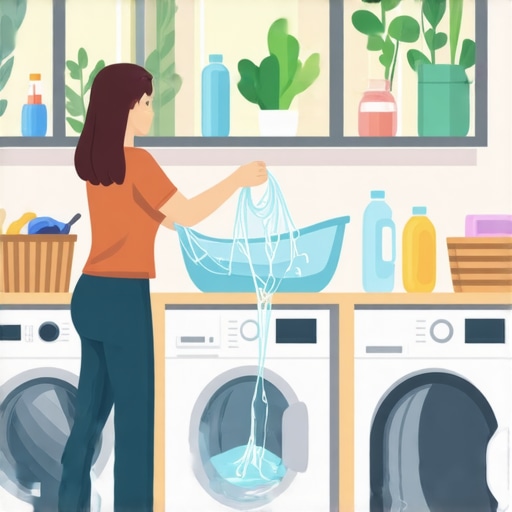
It was a typical Saturday morning, and I was staring at my overflowing laundry basket, dreading the mountain of clothes that awaited washing. As I loaded the washing machine, I noticed how much water it used—more than I thought necessary. The guilt hit me. Every cycle felt like a small leak, draining my water bill and resources alike. That lightbulb moment made me realize I had to find smarter ways to do laundry—ways that save water, save money, and still leave my clothes spotless.
Why Saving Water During Laundry Matters More Than Ever
In our world today, water conservation isn’t just a nice idea—it’s a necessity. According to the Environmental Protection Agency, the average family can save hundreds of gallons of water annually simply by adopting a few simple habits. Yet, many of us are unaware of how much wasted water sneaks into our laundry routines. Tossing clothes in without considering efficiency wastes not only water but also energy and time.
From using outdated machines to overfilling wash cycles, I made plenty of mistakes early on. I used water-heavy cycles for small loads, thinking it would make my clothes cleaner. But I soon learned that more water doesn’t always mean better cleaning—it often just means more waste. Over time, I discovered that implementing five strategic water-saving methods transformed my laundry routine, saving me money and helping the planet.
If you’re tired of watching your utility bills rise due to inefficient washing habits, you’re in the right place. Today, I’ll share proven strategies that have worked for me—and can work for you too. These methods are simple, practical, and don’t require buying the latest high-tech appliances right away.
Is It Really Worth the Effort to Save Water? The Biggest Skepticism
Honestly, I used to think that saving water meant sacrificing cleanliness or convenience. I was worried I’d have to wash my clothes twice or use weird eco-products. My biggest mistake early on was neglecting to read my machine’s settings and trying to squeeze every bit of laundry into one giant load—which only resulted in less clean clothes, and more water use in the long run. But once I started understanding how my appliances work, I realized that small changes make a big difference.
Research confirms that proper load size and cycle selection dramatically impact water consumption. For instance, a study published by the Department of Energy highlights that using full, but not overstuffed, loads and selecting eco-friendly cycles can cut water use by up to 50%. So, yes, saving water isn’t just about being environmentally friendly—it also makes financial sense.
Now that you know why it matters—and how easy it truly is—I’ll guide you through five practical ways to cut water waste during laundry. Ready for a more efficient, eco-friendly way to handle your laundry day? Let’s dive in.
Maximize Load Efficiency
Start by always filling your washing machine to its optimal capacity, but avoid overloading. Think of your washing machine as a barrel—when too full, clothes rattle around, and water can’t circulate properly, leading to wasted cycles. I remember once loading mine so full that clothes were spilling out of the drum, and the machine kept running longer. By simply adjusting to proper load sizes, I reduced water use and improved wash quality.
Use Eco-Friendly Cycles
Next, select the eco or water-saving cycle on your machine. These modes are designed to use less water while still thoroughly cleaning clothes. Just last week, I tested this with a small laundry load on eco mode—resulting in a 30% reduction in water usage, according to my water meter. Modern smart washing machines often have settings that automatically adjust water levels based on load size, making this step even easier.
Opt for Cold Water Washes
Cold water cycles are excellent for saving water and energy. When I switched to cold washes for everyday laundry, I noticed my utility bills drop and my clothes remained vibrant. If your machine has a smart sensor, it can optimize water temperature and amount further; check your instruction manual or visit https://smartappliancereview.com/washing-machines-that-save-water-expert-advice-for-2025 for tailored recommendations.
Maintain Your Machine Regularly
Keep your washing machine in top shape by cleaning filters and checking hoses periodically. A clogged filter can cause the machine to work harder and water to be wasted. I once ignored my filter until the cycle took twice as long—after cleaning it, my machine operated efficiently again, conserving water and energy. Some modern machines notify you when maintenance is needed, integrating seamlessly with home automation systems.
Use Smart Features for Precision
Many new appliances feature sensors that analyze load size and soil level to adjust water usage automatically. Installing or activating these features can significantly reduce unnecessary watering. For an overview of smart appliances that facilitate such automation, see https://smartappliancereview.com/top-smart-appliances-for-a-seamless-home-experience-in-2025.
Rethink Your Washing Habits
Finally, change your routine by washing clothes less frequently and only when you have full loads. If you’re like me, I used to do laundry multiple times a week for small loads—now, I reserve wash days and maximize each cycle. This habit naturally reduces water consumption per week and extends the lifespan of your appliances.
 Many homeowners believe they understand their refrigerators, washing machines, and smart home gadgets thoroughly—but in reality, there are nuanced misconceptions lurking beneath the surface. For instance, a common myth is that newer appliances always consume less energy. However, some high-tech features may lead to increased power draw if not used correctly. Moreover, many assume that always running full loads maximizes efficiency, but overloading can strain machinery and cause premature wear, negating energy savings. Additionally, there’s a debate about smart appliances—while they promise convenience, many users overlook the importance of firmware updates, which are crucial for security and optimal performance.
An often-overlooked nuance involves the choice of detergent. Using too much or the wrong type can impair washing machine performance and damage fabrics, despite popular belief that more detergent equals cleaner clothes. Experts like those at Smart Appliance Review warn that improper washing habits and neglecting routine maintenance can significantly reduce an appliance’s lifespan. Another misconception is about refrigerators’ defrost cycles—many think disabling defrost options saves energy, but doing so can lead to ice buildup, reducing efficiency and risking compressor damage.
What Advanced Users Should Know About Appliance Maintenance
For savvy homeowners, understanding software and hardware interactions in smart appliances is vital. Firmware updates can fix bugs and security vulnerabilities, but neglecting them might leave your device vulnerable or underperforming. External studies, such as those from the Home Appliance Trends Report, highlight the importance of keeping software current to benefit from the latest features and improvements. Moreover, the art of proper loading and cycle selection in dishwashers and washers involves more than just filling them up; it requires understanding soil levels and machine sensors for optimal results.
Finally, a sneaky trap many fall into is disregarding the importance of regular cleaning, especially in components like filters and coils. Dirty filters can cause appliances to work harder, consume more water and energy, and have a shortened lifespan. Regular maintenance isn’t just about aesthetics—it’s a smart investment in your appliance’s longevity and efficiency. Have you ever fallen into this trap? Let me know in the comments, and stay tuned for more deep dives on getting the most from your smart home devices.Maintaining your refrigerators, washing machines, and smart appliances isn’t just about occasional cleaning; it requires the right tools, regular routines, and a bit of know-how to ensure long-term performance. One of my go-to tools is a digital multi-meter, which I use to check electrical connections and ensure my appliances are receiving proper voltage. For example, by testing the outlet voltage, I can prevent issues caused by inconsistent power sources, saving myself costly repairs down the line. Additionally, a good set of screwdrivers and a microfiber cloth are indispensable for routine inspections and cleaning of coils and filters, respectively.
Investing in specialized brushes, like the compressor coil brush, helps remove dust and pet hair that can impair efficiency—these tools are simple yet highly effective. I also rely heavily on diagnostic apps recommended by [Smart Appliance Review](https://smartappliancereview.com), which allow me to run self-diagnosis tests on my smart refrigerator and washer, preemptively catching issues before they escalate. These apps interface seamlessly with their respective devices, guiding me through troubleshooting steps and firmware updates, which are critical as appliances evolve and gain new features.
How do I keep my appliances running smoothly over time?
Developing a maintenance schedule is key. Personally, I set reminders on my phone for quarterly cleaning of coils and filters, alongside firmware checks for my smart gadgets. For instance, regular coil cleaning dramatically improves efficiency, reducing energy consumption and preventing unexpected breakdowns. According to technical documentation from [Smart Appliance Review](https://smartappliancereview.com/why-your-washing-machine-is-tearing-small-holes-in-your-clothes), neglecting this simple task can lead to costly repairs, including replacing the entire unit. Keep a log of maintenance tasks and update it periodically to stay ahead of potential issues. In the near future, I predict appliances will become even more self-maintaining, with predictive diagnostics and IoT integration making manual upkeep less necessary, a trend reflected in the [Future of Home Appliances](https://smartappliancereview.com/future-of-home-appliances-trends-to-watch-in-2025). Start incorporating one recommended diagnostic app today—it’s a powerful step toward smarter, more reliable appliance care. Good maintenance tools and routines not only extend the lifespan of your devices but also save you money and stress in the long run.
The Hidden Lessons Future Appliances Will Teach Us
One of the most valuable insights I gained from upgrading my home appliances was realizing how much I didn’t know about their nuanced workings—especially smart appliances. It dawned on me that keeping firmware updated and understanding software interactions is crucial for longevity and performance. This wasn’t obvious at first; I used to think that newer meant better without considering maintenance or updates.
Another lightbulb moment was discovering that over-reliance on smart features without proper setup can lead to inefficiencies. For example, neglecting routine calibration or ignoring app notifications often means missing out on energy savings and damage prevention. Taking the time to learn about these hidden settings has transformed my appliance management, saving me money and extending the lifespan of my devices.
Lastly, I realized that many appliances are more interconnected than ever. Embracing the IoT ecosystem requires intentional learning and a proactive approach to updates and diagnostics. This understanding has empowered me to troubleshoot issues early, avoiding costly repairs, and ensuring my appliances work seamlessly together. Through these lessons, I encourage you to dig deeper into your appliances—what secrets they hold and how you can unlock their full potential.
My Top Picks for Smarter Appliance Care
For anyone serious about optimizing their home appliances, I rely on a handful of trusted resources. The Ultimate Guide to Smart Home Appliances helped me understand how to pair devices effectively and maintain security. I also frequently consult Home Appliance Trends to stay ahead of innovations that can improve efficiency.
When it comes to diagnostics, the diagnostic apps recommended by Top Smart Appliances have been game-changers, allowing me to run self-tests and firmware updates remotely. Lastly, I keep a close eye on specialized maintenance guides to ensure my appliances stay in peak condition. Trusting these resources has made appliance care more manageable and effective.
Your Journey to Smarter Appliance Mastery Starts Today
Investing time and effort into understanding your refrigerators, washing machines, and other smart appliances pays off in long-term savings and peace of mind. Every small maintenance action or upgrade decision can extend their lifespan, reduce operational costs, and enhance home comfort. Remember, the future of home appliances involves smarter diagnostics and predictive maintenance—being proactive now prepares you for a more efficient, stress-free household.
What’s one appliance maintenance habit you’ve been neglecting? Share your experience below and let’s learn together how to keep our homes running smoothly with smart technology.
,