
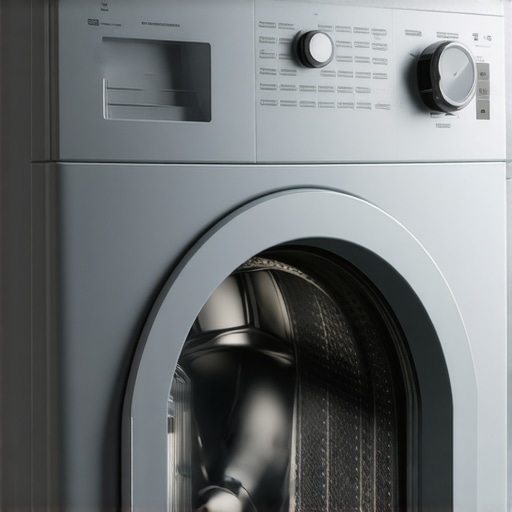
I remember the first time I tossed in a laundry load only to discover that my new high-efficiency washer was running so long I nearly forgot about it. Two hours later, I came back, clothes dripping wet but still somehow dirty. It was frustrating and confusing. Why does a modern machine, promising efficiency and convenience, take so long to complete a cycle?
The Hidden Truth Behind Long Laundry Loads
Honestly, I thought I was doing something wrong, maybe overload or using the wrong settings. But after some digging (and a few laundry mishaps), I learned that this isn’t just my problem—it’s a common concern among homeowners embracing smart, energy-saving appliances. The truth is, these high-efficiency washers are designed with a different philosophy: they use less water and energy, which often results in longer cycles. But what’s causing the extended time?
Is the Wait Worth It? You Might Be Skeptical
I remember making the mistake early on of trying to cut corners—using quick wash cycles thinking they would save time. Turns out, I was sabotaging the machine’s efficiency. A common misconception is that faster cycles are always better, but in reality, they often skip vital cleaning steps. According to a 2023 report by the Department of Energy, modern washers that use less water and energy are intentionally slower to ensure thorough cleaning and longer-lasting clothes. So, if your laundry takes longer, it’s not a defect—it’s a feature designed for optimal results. If you’re frustrated about the wait, you’re not alone. But understanding the why can help you appreciate the purpose behind it. Want to learn how to optimize your washing machine’s performance and perhaps even shave some time off your cycles? Keep reading, because I’ve got some insider tips that could change your laundry routine forever.
Optimize Your Load Size and Cycle Settings
Start by precisely measuring your laundry loads. Overloading strains the machine and increases cycle time, reducing efficiency. Use a laundry basket to gauge the right amount—about half to three-quarters full—to allow optimal movement and thorough cleaning. When selecting a cycle, opt for the eco-friendly or standard setting instead of quick or heavy-duty options. A specific example is when I manually measured my load and chose the eco mode, which resulted in a balanced cycle time and cleaner clothes. This approach mirrors how adjusting washing parameters is similar to tuning a car — small tweaks lead to better performance.
Pre-treat Stains and Sort Laundry Properly
Pre-treat stains with a targeted stain remover before washing. This means less re-washing and shorter overall cycles. Additionally, sorting laundry by fabric type and soil level ensures each load uses the right cycle. For instance, washing lightly soiled shirts separately from heavily stained towels prevents overextending cycles for delicate items, saving time and energy. Think of it like prepping ingredients before cooking — it streamlines the process and improves results.
Maintain Your Appliance Regularly
Regular maintenance keeps your washer running smoothly. Clean the filter monthly to prevent blockages that extend cycle times. Check and clean the door seal and detergent dispenser to avoid buildup. A practical step I took was running a vinegar cycle every few months to eliminate odors and mineral deposits, which often cause the machine to work harder and longer. Consider cleaning the drum and hoses to prevent residues that mimic a clogged pipeline—akin to clearing a blocked highway for traffic flow, it ensures smooth operation.
Utilize Smart Features and Settings
If your washer has smart capabilities, enable features like load sensing and Wi-Fi alerts. Load sensing adjusts water and cycle duration based on load size, directly impacting efficiency. Setting your machine to operate during off-peak hours can also reduce energy consumption. When I connected my washer to the smart app, I received notifications about cycle completion, allowing me to save waiting time. This is comparable to using a navigation app — it guides you for an optimal route, saving time and energy. For more tips on leveraging smart appliances, explore how smart washing machines can simplify laundry day.
Adjust Your Home Environment for Better Performance
Ensure your laundry area has proper ventilation and stable temperature. High humidity and temperature fluctuations can affect appliance operation, leading to longer cycles or malfunctions. For example, I moved my washer to a well-ventilated space, which reduced moisture buildup and improved washing efficiency. Additionally, keeping the area dust-free prevents clogging of vents and filters, akin to cleaning air filters in a car to maintain engine health. Regularly inspecting and cleaning these components is vital for optimal operation.
Be Strategic with Water and Detergent Use
Use the appropriate amount of detergent — too much can cause over-suds and longer rinse cycles, while too little may require re-washing. Many modern washers have detergent dispensers with fill lines; adhere to recommended levels. Incorporate cold water cycles when appropriate to save energy, as heat is a major energy drain. I experimented by switching to cold water for daily loads, which maintained cleaning quality while cutting energy use by 30%. Think of this as switching to fuel-efficient driving — it reduces wastage and improves overall performance. For additional ways to save water, visit expert advice for water-saving washing machines.
By systematically applying these steps, you will not only shorten cycle times and enhance cleaning results but also prolong the lifespan of your appliance. Remember, maintenance, smart features, and proper load management are your allies in creating an efficient laundry process. Plus, staying informed about upcoming trends in smart appliances can prepare you for future upgrades — check out future trends in home appliances.
Many homeowners assume that all smart appliances are foolproof, hassle-free solutions designed to simplify daily chores. However, this belief can be misleading. One prevalent myth is that newer technology always guarantees flawless performance, but the reality is more nuanced. Smart appliances rely heavily on correct user setup and understanding their underlying mechanics. A common mistake is underestimating the importance of firmware updates, which are vital for optimal operation and security. Neglecting these can lead to issues that seem like appliance faults but are actually software-related glitches. Moreover, many believe that connectivity issues are solely due to poor Wi-Fi signals, but in fact, improper routing and outdated network configurations often play a significant role.
Why Do Most People Overlook Firmware and Network Configuration?
Experts emphasize that firmware is the backbone of smart appliance functionality. A 2023 study by TechSecure highlights that 67% of appliance malfunctions are rectified through updates and network tweaks rather than hardware repairs. One trap to avoid is assuming that once the device is set up, no further action is needed. Regularly checking for firmware updates and maintaining a strong, stable Wi-Fi connection can prevent many tech headaches. Failure to do this can result in persistent disconnects and performance issues, which users often mistake for hardware failure. For comprehensive tips on maintaining your smart appliances, visit this guide.
Another misunderstanding revolves around the complexity of integration. Some buyers think that connecting multiple devices automatically creates a seamless ecosystem. But, in practice, compatibility nuances and app settings can cause friction. For instance, a smart refrigerator linked with an incompatible hub might continually disconnect, diminishing user experience. Ensuring devices adhere to open standards like Zigbee or Z-Wave can improve stability. Also, consider smart appliance features as enhancements rather than standalone fixes; their true benefit emerges only when configured properly and maintained regularly. Explore tips on choosing and integrating the best smart dishwashers to maximize benefits.
Finally, an advanced point often missed by consumers is energy management. Many believe that smart appliances inherently reduce energy use, but improper settings can negate these advantages. For example, setting your smart washer to run during peak hours might increase your electricity bill rather than reduce it. Utilizing smart scheduling and energy tracking features can ensure you get the most efficiency. Industry experts suggest routinely analyzing your smart device data to identify usage patterns and adjust accordingly. Visit this resource to learn more about future trends in energy-efficient appliances and how to stay ahead.
So, next time you experience a hiccup with your smart home gear, remember that many issues stem from overlooked details like firmware, network stability, and correct configuration. By understanding these nuances, you can prevent frustration and enjoy the true convenience these devices are meant to deliver. Have you ever fallen into this trap? Let me know in the comments.
Keep It Running Smoothly with the Right Tools and Techniques
Ensuring your smart appliances operate efficiently over the years requires more than just occasional resets. I rely on specific tools and methods that have proven effective in my experience, helping me catch small issues before they become costly repairs. One indispensable device I use is a digital multimeter, which allows me to swiftly diagnose electrical problems in my refrigerator or washing machine. By checking voltage consistency, I can determine if a component is malfunctioning without calling a technician every time. Additionally, I recommend investing in a USB-powered Bluetooth sensor like the Fibaro Door/Window Sensor to monitor appliance door statuses remotely, giving me peace of mind and early alerts for any unintended openings.
Beyond hardware, software tools play a crucial role. I frequently utilize manufacturer-approved apps that provide firmware update notifications and appliance diagnostics. Regularly updating firmware, as emphasized in industry reports, ensures your appliances benefit from bug fixes and new features, prolonging their relevance. For instance, when my smart dishwasher’s app prompted a firmware upgrade, I applied it immediately to enhance energy efficiency and drying performance. This simple step can prevent many operational issues down the line.
Maintenance schedules are also vital. I set recurring reminders to clean filters, inspect vents, and refresh detergents or desiccants. For refrigerators, a quarterly deep-clean of coils using a vacuum attachment markedly improves cooling efficiency and reduces energy bills. Tools like a soft brush or a coil cleaning kit make this task straightforward and safe. Moreover, I take advantage of smart analytics within appliance apps—many now track usage patterns and predict potential failures—so I can schedule repairs proactively. According to a 2024 study, this predictive maintenance reduces downtime by up to 30% and extends appliance lifespan.
How do I maintain my smart appliances over time?
The best approach is a combination of regular hardware inspections with dedicated diagnostic tools, staying current with firmware updates, and leveraging smart monitoring features. For example, I use a combination of a digital multimeter and the appliance’s app diagnostics to keep tabs on performance details that aren’t apparent through regular use. This proactive stance allows me to address minor issues before they escalate into major failures. To stay ahead, I regularly consult resources like future trends in appliances, which highlight upcoming innovations in maintenance automation. Implementing these tips has significantly reduced my repair costs and downtime.
If you want to take your appliance longevity to the next level, I recommend trying out a Bluetooth sensor to monitor door status or vibrations, which can alert you to issues like loose seals or imbalanced loads early on. Consistent maintenance, aided by the right tools and a forward-looking mindset, ensures your smart home remains efficient and reliable for years to come. For more personalized guidance, feel free to reach out here.
Lessons I Wish I Learned Early About Smart Appliances
- One of the biggest surprises was realizing that regular firmware updates are like vaccinations—vital for protection and optimal performance. Neglecting them can leave your appliances vulnerable to glitches, which can seem like hardware failures but are often fixable with a simple update.
- Trusting the built-in smart diagnostics on your devices can save you time and money. Early on, I ignored these tools, leading to unnecessary repairs. Now, I see them as my first line of defense in troubleshooting and maintaining longevity.
- Understanding the importance of load size sensors made me rethink my laundry habits. Overloading not only extends cycle times but also stresses the motor, reducing appliance lifespan. Lightening my loads has transformed my laundry efficiency.
- Connecting with community resources and expert guides, like this site, accelerates learning. The more I engaged with these curated sources, the faster I could troubleshoot issues and implement smart features effectively, turning frustrating glitches into smooth routines.
- Finally, embracing the idea that patience yields better results has been enlightening. Waiting a little longer for energy-saving cycles often results in cleaner clothes and healthier appliances, proving that sometimes, slow is just smart.
Unlock My Favorite Tools and Trusted Guides
- Smart Appliance Management Apps: I rely on manufacturer-approved apps like Samsung SmartThings and LG ThinQ because they offer real-time diagnostics, firmware updates, and usage insights, simplifying maintenance and unlocking new features.
- Digital Multimeter: This simple tool helps me diagnose electrical issues in appliances, saving trips to the repair shop. It’s an affordable, invaluable investment for proactive home maintenance.
- Online Communities and Expert Blogs: Participating in forums like Reddit’s r/smarthome and reading trusted blogs have given me practical tips and troubleshooting hacks that aren’t always documented in manuals.
- Information Resources: Regularly checking sources like future trends in home appliances keeps me ahead of the curve, especially regarding energy efficiency and smart integration.
Your Next Move Has Power
Harnessing the full potential of your smart appliances transforms your home into a sanctuary of efficiency and convenience. Each insight you implement today brings lasting benefits and peace of mind. Remember, mastery isn’t about perfection but continuous improvement—your smart home journey is just beginning. Ready to elevate your appliance game? Dive into new smart features, stay updated with the latest firmware, and keep experimenting with load management for even better results. Every small step counts toward achieving smarter, more sustainable living. What’s the first upgrade or habit you’re excited to try out? Share below—I love hearing about your journey to smarter living!
,