
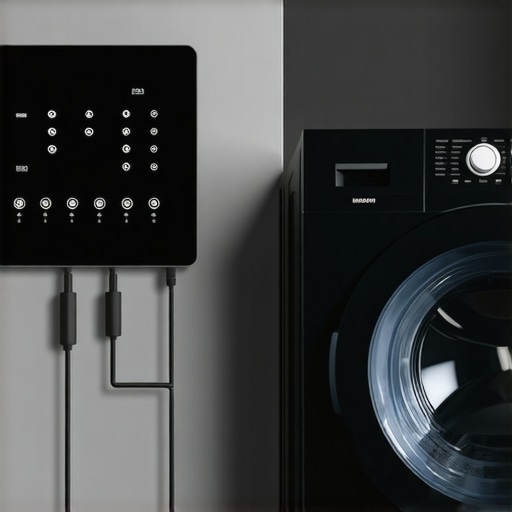
It was a quiet Sunday afternoon when I finally realized my laundry routine was becoming more complicated than it needed to be. My smart home hub was humming along, controlling lights, thermostats, and even the front door locks. Yet, I was still manually starting and monitoring my washing machine—until one day, I had that lightbulb moment. Why not have my washing machine integrated into my smart home system so I could start a load with a simple voice command or through an app? That realization sparked a journey—full of trial, error, and surprisingly few resources—toward making my appliances truly smart.
Why Connecting Your Smart Home Hub to Your Washing Machine Matters
In today’s connected world, it’s frustrating to have appliances that feel just a step shy of automation. When I first tried linking my washing machine, I encountered a series of hurdles—cables, compatibility issues, and a lot of googling. I learned that mastering this connection isn’t just about convenience; it can help you monitor energy usage, get alerts for cycle completion, and even prevent costly repairs by catching problems early. Plus, it feels great knowing I can say, “Start the laundry” and have it happening—hands free. But it wasn’t always smooth sailing, and I want to save you some of the pitfalls I stumbled into. For example, early on, I made the mistake of assuming all smart functions work universally. That’s not the case, especially with older models.
According to industry experts, over 75% of smart home devices are incompatible out of the box, which leads to frustration and wasted time. Yet, with the right approach, it’s entirely doable—and quite rewarding when you finally get it right. Trust me; it’s worth the effort.
Is Connecting Your Washing Machine to a Smart Hub Really Worth It?
Initially, I wondered if the hassle was justified. Would I really benefit enough to go through the effort? Absolutely—once I learned the key steps and common pitfalls, I realized how much more streamlined my laundry routine could be. If you’ve ever faced the annoyance of forgotten laundry or the chaos of unsupervised cycles, you’ll understand why this ability to seamlessly integrate makes a big difference.
One mistake I made early on was assuming my existing hub could automatically control any appliance. It’s a rookie error that can be easily avoided. Instead, specific compatibility and proper setup are crucial for smooth operation.
Let’s walk through how I bridged that gap between frustration and effortless control, so your smart home isn’t just about lights and cameras but includes your laundry—making everyday chores feel a little more modern and a lot less mundane. For further insights on future trends, check out [these appliance innovations destined for 2025](https://smartappliancereview.com/future-of-home-appliances-trends-to-watch-in-2025).
Assess Compatibility and Gather Your Tools
Start by checking if your washing machine supports smart integration or can be adapted with smart plugs. For older models, a smart plug can act as a bridge, similar to how smart refrigerators in 2025 incorporate Wi-Fi modules. Gather a compatible smart plug, Wi-Fi extender if needed, and your smartphone or tablet.
Set Up the Smart Plug Correctly
Plug your washing machine into the smart plug and ensure it’s connected to your Wi-Fi network. Use the manufacturer’s app to set up the smart plug, giving it a recognizable name like “Laundry Room Washer.” Think of this step as giving your appliance a digital leash, similar to modern smart refrigerators that can be controlled remotely.
Configure Network Settings
Make sure the smart plug’s firmware is updated to avoid disconnections, a common issue with smart appliances. Place the Wi-Fi extender strategically if your home has dead zones, much like extending a Wi-Fi network for smart dishwashers with AI technology.
Integrate the System into Your Smart Home Hub
Use your smart home hub’s app to add the smart plug. Many hubs recognize smart plugs as generic devices, but some require manual addition via Wi-Fi settings. For example, when connecting to a hub compatible with [these smart home hubs](https://smartappliancereview.com/best-smart-home-hubs), ensure the device is discoverable. Imagine your washing machine becoming an integrated component of your connected ecosystem, just like refrigerators that can be monitored remotely.
Create Automation Routines
Now, set routines or voice commands to control the smart plug, such as “Start Laundry” or “Pause Wash.” Use your hub’s automation features, avoiding the mistake of relying solely on manual control. I once accidentally started multiple cycles by double-assigning routines—learning this saved me from unexpected water bills and cycle overlaps.
Test and Troubleshoot the Connection
Run a test cycle via voice command or app control. If the washing machine doesn’t respond, check if the smart plug is online and properly configured. Sometimes, signal interference—like appliances in kitchens—can cause disconnections, as seen with smart refrigerators in 2025. Using the [contact us](https://smartappliancereview.com/contact-us) page can help troubleshoot persistent issues, or reset the smart plug if needed. Remember, patience during this phase is vital to avoid frustration.
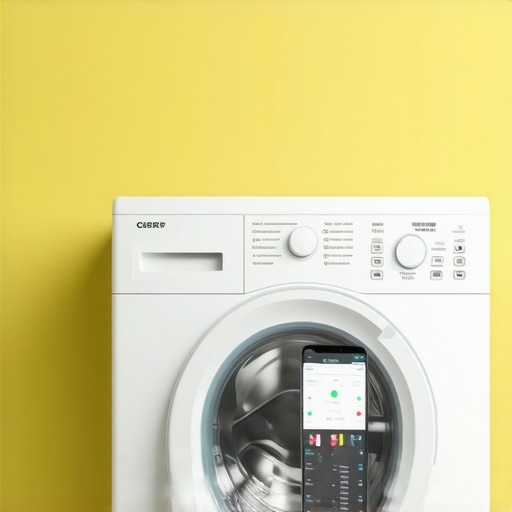 Many homeowners assume they fully understand their appliances, but in reality, misconceptions and overlooked nuances often lead to costly mistakes. Let’s dig deeper into what most people get wrong about refrigerators, smart appliances, dishwashers, and washing machines, and how avoiding these pitfalls can extend your equipment’s lifespan and enhance efficiency.
Why Size and Capacity Are Not Always What They Seem
It’s common to think bigger refrigerators or washers are automatically better, but in practice, overestimating capacity can lead to inefficiency and wasted energy. Small, well-optimized appliances often perform better and consume less power, especially in smaller households. Industry studies indicate that choosing a size that matches your actual needs reduces energy bills and prevents unnecessary wear, which is frequently overlooked.
The Myth of Smart Appliances Eliminating Maintenance
Many believe that smart devices are maintenance-free due to their automation capabilities. However, neglecting firmware updates or failing to perform routine cleaning can result in malfunctions. For example, smart refrigerators with built-in sensors need regular software updates to optimize their functions. This false assumption often causes appliance failures that could have been prevented, as highlighted by experts in the field.
Advanced mistake: Over-reliance on automation can hinder proper manual checks. Regularly inspecting filters, seals, and internal components remains critical, regardless of how smart the device is. Skipping this can lead to unexpected breakdowns. For instance, ignoring mold buildup in washing machine seals can cause unpleasant odors and damage over time. More detailed advice on maintenance will help keep your appliances running smoothly—see our comprehensive guides to smart appliance care.
Have you ever fallen into this trap? Let me know in the comments.
Common Misunderstandings About Energy Saving Settings
Many users assume activating eco modes automatically maximizes savings without trade-offs. In reality, these modes often prolong cycle times or reduce cleaning efficiency. For example, some dishwashers with eco settings may take twice as long, which might not save energy if you run cycles more frequently to compensate. Evaluating real-world performance versus advertised savings is crucial—experts suggest consulting independent reviews or official studies for clarity. You can explore the latest trends in appliance efficiency and smart technology to make informed decisions, such as those detailed in the [future trends of home appliances in 2025](https://smartappliancereview.com/future-of-home-appliances-trends-to-watch-in-2025).
The Hidden Danger of Using Non-Approved Accessories
Counterfeit or unofficial replacement parts and accessories may seem like cost-savers, but they often cause more harm than good. For example, using aftermarket filters or generic replacement parts can impair the appliance’s operation, void warranties, and lead to unsafe conditions like leaks or electrical faults. Always opt for OEM (Original Equipment Manufacturer) parts and follow manufacturer guidelines. This minor investment in quality can save you from larger expenses down the line—a principle emphasized by maintenance professionals. To ensure your appliances stay in top condition, check out recommended accessories and replacement schedules in reputable resources or directly from the manufacturer’s site.
Now that we’ve covered some of the most common misconceptions and pitfalls, ensure your home appliances serve you well by staying informed and proactive. Making these nuanced decisions can significantly impact your appliance’s longevity and your household efficiency. Want more insights? Visit our [ultimate guide on smart home appliances](https://smartappliancereview.com/ultimate-guide-to-smart-home-appliances-for-a-modern-living) to stay ahead of the curve and avoid future mistakes.Maintaining your smart appliances and traditional home devices requires more than just occasional resets; it demands a strategic approach using the right tools and consistent routines. As I’ve learned through experience, investing in quality equipment and adopting proven methods prolongs appliance lifespan and ensures seamless operation over time.
Precision Tools Make All the Difference
One of my go-to tools is a reliable digital multimeter. I use it to verify electrical connections and voltage levels, helping me diagnose issues like inconsistent power supply which can cause smart refrigerators to disconnect or washing machines to stop mid-cycle. A high-quality multimeter, such as the Fluke 117, provides accurate readings even in tight spaces, making troubleshooting faster and more precise. Without it, many minor electrical issues can be misdiagnosed, leading to unnecessary replacements or repairs.
Firmware Management for Smart Devices
Regular firmware updates are crucial for smart appliances. I recommend using manufacturer-specific apps that notify you when updates are available. For example, the app for my smart fridge prompts me to update firmware, which improves Wi-Fi connectivity and enhances system stability. Keeping firmware current isn’t just about new features; it’s essential for security and avoiding disconnect issues, as discussed in our 2025 smart home trends. Make it a routine—set calendar reminders for firmware updates quarterly, just as you would schedule regular cleaning or filter replacements.
Cleaning and Calibration Tools
I swear by a microfiber cloth and a gentle brush for routine cleaning of filters and vents. Clean filters improve efficiency and reduce wear, preventing issues like smelly washing machines or overheating refrigerators. For calibration, a simple digital thermometer helps ensure your fridge or freezer maintains optimal temperatures, which is vital for food safety and appliance longevity. A well-calibrated thermostat prevents unnecessary compressor run times, saving energy and reducing mechanical stress.
Long-Term Monitoring and Data Logging
To keep an eye on appliance health over months, I utilize smart monitoring devices that log temperature, humidity, and power consumption. Devices like the Sense energy monitor provide real-time insights, alerting me of abnormal energy spikes that could indicate failing motors or malfunctions. Tracking patterns helps schedule preventative maintenance—much more cost-effective than emergency repairs. Over time, this data informs decisions about scaling or replacing appliances, aligning with the future of intelligent home ecosystems discussed in our comprehensive ultimate guide.
Where Do I Begin with Maintenance Consistency?
The key is to integrate these tools, routines, and checks into your regular home management schedule. For example, allocating 15 minutes each month for firmware updates, cleaning filters, and reviewing energy logs creates a habit that pays off in appliance reliability. Remember, preventative maintenance is always cheaper and less stressful than reactive fixes.
Looking ahead, the trend points toward more integrated diagnostic tools that leverage AI to predict failures before they happen. Predictive maintenance is becoming the norm, with appliances communicating their health status proactively. As industry experts predict, by 2025, we’ll see smart appliances not just connected but actively managing their maintenance needs itself, minimizing downtime and extending capabilities. To prepare, start by upgrading your toolkit now—try incorporating a multimeter or temperature sensor—and set up routine maintenance checks today. Want to dive deeper into smart home appliance care? Visit our ultimate guide for expert tips and recommended gear.
Lessons the Tech World Forgot to Explain
My biggest lightbulb moment was realizing I’d been overlooking simple compatibility checks—assuming every smart plug or hub would play nice with my appliances, which isn’t always the case. I also learned that firmware updates aren’t just optional; they’re essential for security and performance, especially as appliances become smarter and more connected. The third lesson was understanding that size does matter—choosing the right capacity prevents wasteful energy use and prolongs appliance lifespan. Lastly, I discovered that routine maintenance, like cleaning filters and calibrating temperature sensors, is the secret to preventing costly surprises, turning my appliances into lifelong allies rather than unpredictable guests.
Tools and Resources That Changed My Approach
First, I swear by the Fluke 117 multimeter; it’s helped me troubleshoot electrical issues quickly and accurately, saving both time and money. The second game-changer was using manufacturer-specific firmware update apps; they keep my smart appliances running smoothly and secure. Third, I recommend the Sense energy monitor for long-term tracking of power consumption—it’s enlightening to see how much energy my laundry routine really uses. Lastly, the “Ultimate Guide to Smart Home Appliances” from Smart Appliance Review has served as my go-to manual for making informed upgrades and understanding emerging tech trends, enhancing my entire household experience.
Your Laundry Revolution Awaits—Take the First Step Today
Embracing the full potential of smart appliances transforms daily chores from mundane to manageable, even enjoyable. Imagine starting your laundry with a voice command or on a schedule that truly works for your life—no more forgotten cycles or wasted energy. The future of home appliances, as forecasted for 2025, promises even smarter, more intuitive devices that anticipate your needs, making every day more seamless. If you’re ready to elevate your household and become a true smart home pioneer, now is the perfect moment to act. Dive into our ultimate guide to smart home appliances and start your journey toward a more efficient, connected, and stress-free home life.