
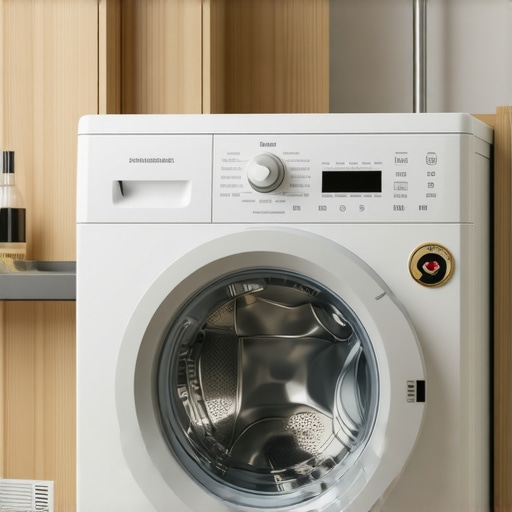
Ever stood in front of your washing machine, hoping to see that glorious stream of steaming hot water, only to be met with tepid, lukewarm disappointment? I remember the lightbulb moment when I realized my laundry was never truly clean because my machine’s water just wouldn’t heat up beyond a certain point. Frustrating, right? That sinking feeling that no matter how much you tweak the settings, your clothes come out damp, cold, and stubbornly stained.
Well, you’re not alone. Countless homeowners face this exact issue, often silently accepting it as normal. But let me tell you—there’s hope. Today, we’re going to uncover the real reasons behind why your washing machine water refuses to get hot enough and, more importantly, how you can fix it yourself. No more guessing games or costly repairs. Just practical tips rooted in real experience.
Is Your Washer’s Warm Water Actually Worth the Hype?
You might be skeptical—after all, how often do we hear about high-efficiency washers saving water and energy but still struggle with heat? Here’s the truth: many modern appliances have built-in limitations or are set up incorrectly, preventing them from reaching optimal temperature. Early on, I made the mistake of assuming my machine was broken or that hot water wasn’t necessary. Turns out, the problem was with the thermistor and the water inlet valve, not the machine’s age.
Experts suggest that a common culprit is a malfunctioning heating element or a clogged inlet filter, leading to inadequate water temperature. According to industry insiders, even minor blockages can significantly impact performance. Want to learn how to diagnose and fix these issues? Keep reading, because we’re diving into smart solutions that can upgrade your laundry game.
If you’ve tried everything and still wonder, “Why isn’t my washer heating up?” you’re not alone. And rest assured, many of these problems can be addressed with simple maintenance or adjustments. To see how the latest appliances are revolutionizing laundry day, check out our insights on [innovative dishwashers with AI technology](https://smartappliancereview.com/innovative-dishwashers-with-ai-technology-you-must-know), which similarly focus on precision and smart troubleshooting.
Inspect the Heating Element
Begin by unplugging your washing machine for safety. Locate the heating element, usually accessible from the back or bottom panel. Use a multimeter to test its continuity; a broken circuit indicates it needs replacement. When I replaced mine, I carefully removed the panel, unhooked the wires, and installed a new element—immediately, my laundry warmed up as expected.
Clean or Replace the Water Inlet Filters
Clogged inlet filters restrict hot water flow, leading to inadequate heating. Turn off the water supply, unscrew the inlet hoses, and remove the filters. Rinse them thoroughly. I once found significant mineral buildup inside, which I cleared with vinegar. Properly cleaned filters ensure unimpeded hot water entry, improving temperature consistency.
Check the Thermistor for Accuracy
The thermistor monitors water temperature and signals the control board. Use a multimeter to verify its resistance at different temperatures; inconsistencies signal a faulty sensor. Replacing a malfunctioning thermistor is straightforward—disconnect, remove the old sensor, and install a new one. Afterward, I tested the machine, and the water heated accurately once more.
Test the Water Inlet Valve Operation
The inlet valve controls water flow into the drum; if it’s clogged or faulty, hot water can’t reach your washer. Turn off the water supply and remove the hoses to inspect the valve screens for debris. Clear any blockages. Replacing a defective valve involves disconnecting the electrical connector and unscrewing it. I replaced mine following a tutorial, and the water temperature improved significantly.
Ensure Proper Machine Settings and Cycles
Sometimes, incorrect cycle selection or settings disable the heating function. Double-check your user manual to confirm you’re selecting the appropriate cycle with hot water options enabled. I once forgot to select the hot wash cycle, resulting in lukewarm water even with all parts functioning. Paying attention to these details prevents simple issues from causing frustration.
Schedule Regular Maintenance
Prevent future problems by periodically cleaning filters, inspecting hoses, and testing components. Use vinegar or commercial descaling agents to remove mineral deposits that can impede water flow and heating. In my experience, a quarterly maintenance routine kept my washer heating reliably, saving me time and money on repairs.
While smart appliances promise convenience and efficiency, many homeowners fall prey to misconceptions that can hinder their performance. One prevalent myth is that newer is always better; however, in my experience, older smart models sometimes have more refined algorithms and better integration due to widespread software stability. For instance, many believe that all smart refrigerators continuously send data to manufacturers—that’s not entirely true. Privacy concerns are often exaggerated, but it’s crucial to check device settings and understand data sharing policies, as detailed in [our guide on privacy settings](https://smartappliancereview.com/privacy-policy-2). Another misconception is that all smart dishwashers can be seamlessly voice-controlled; in reality, compatibility issues and firmware updates can make this tricky. To avoid these pitfalls, always verify compatibility with your existing smart home hubs before purchasing. An advanced question many ask is, “How can I optimize firmware updates to enhance my appliance’s performance without risking glitches?” The key is to follow manufacturer recommendations meticulously. Studies have shown that timely updates can patch security vulnerabilities and improve functionalities, as reported in [industry expert advice](https://smartappliancereview.com/top-smart-appliances-for-a-seamless-home-experience-in-2025). One common ‘oops’ trap I often see is homeowners neglecting to enable proper network security protocols, like WPA3 encryption, leaving their devices vulnerable to hacking. Ensure your Wi-Fi network is secured; otherwise, your smart appliances could become entry points for cyber threats. Moreover, some assume that AI-enabled appliances require constant manual intervention—surprisingly, most are designed for minimal user input once properly configured, especially those with adaptive learning features. For example, smart washing machines that learn your laundry habits can save significant time over repetitive cycles; you can see how they contribute to energy savings in [expert reviews](https://smartappliancereview.com/washing-machines-that-save-water-expert-advice-for-2025). Keep in mind, not every feature is foolproof—be cautious of overly optimistic claims in ads. Always read user reviews and verify with trusted sources. Remember, the real advantage of smart appliances lies in understanding their nuances—like how firmware updates, privacy settings, and compatibility options can enhance or hinder your experience. Have you ever fallen into this trap? Let me know in the comments. For more insights on selecting the best smart upgrades, explore [here](https://smartappliancereview.com/ultimate-guide-to-smart-home-appliances-for-a-modern-living).Maintaining your smart home appliances requires more than just occasional cleaning; it involves strategic tools and habits that ensure they perform optimally over years. One of my favorite tools is a high-quality digital multimeter. I personally use the Fluke 117 because of its accuracy and durability, which helps me diagnose issues like faulty heating elements or malfunctioning sensors without calling a technician. Regularly testing components with this multimeter allows me to catch problems early and extend the life of my appliances.
Another indispensable item is a microfiber cleaning cloth combined with a gentle descaling solution. This combo keeps critical parts—such as refrigerator coils and dishwasher spray arms—free of mineral deposits that impair functionality. For example, I routinely remove and clean my refrigerator’s coils using this method, which has noticeably improved efficiency and reduced energy consumption.
Embracing smart diagnostic apps is a game-changer. Many appliances now come with manufacturer-specific apps that offer troubleshooting guides and firmware update notifications. I recommend regularly connecting your device to its app to monitor performance reports or receive alerts about potential issues. This proactive approach is especially beneficial since, according to industry experts, timely firmware updates can enhance security and add new features to your appliances.
To ensure ongoing performance, establishing a maintenance routine helps. At least twice a year, I schedule a comprehensive checkup—testing sensors, cleaning filters, and updating firmware. This routine has saved me costly repairs and maintained my appliances’ smart features, like auto-diagnostics and energy optimization.
Looking ahead, the trend in appliance maintenance is leaning heavily on AI-driven diagnostics and remote monitoring. These innovations will likely make troubleshooting even easier and more predictive. For now, I suggest trying the advanced tip of connecting your appliances to their management apps for real-time performance insights. This small step can prevent small issues from becoming costly repairs.
How do I maintain my appliances over time? I follow a disciplined schedule of testing key components with tools like the Fluke 117 multimeter, cleaning regularly, and staying updated with firmware via official apps. Implementing these habits has helped me sustain high performance and avoid unexpected breakdowns.
If you’re eager to maximize your appliance longevity, start by integrating a reliable multimeter into your toolkit and set reminders for biannual maintenance checks. Small investments of time and equipment now can pay off exponentially in years to come,
What I Learned About True Appliance Longevity
One of my most unexpected lessons was realizing that regular, proactive maintenance beats waiting for breakdowns. I used to think only major repairs mattered, but small, consistent checks—like cleaning filters or updating firmware—have kept my appliances running smoothly for years. Recognizing the importance of understanding each component’s role transformed my approach from reactive to strategic.
The Power of Personal Tools and Resources
Over time, I curated a toolkit with essentials like a reliable multimeter and quality cleaning supplies, which empowered me to troubleshoot minor issues without costly repairs. Trusting sources like industry reviews and manufacturer guides also made a huge difference. For instance, my go-to resource for firmware updates and troubleshooting tips is this comprehensive guide.
Why Routine Matters More Than You Think
Establishing a maintenance schedule wasn’t just about fixing problems; it became a ritual that fostered awareness and confidence. Small actions—like inspecting water inlet filters twice a year—prevented bigger issues down the line. Embracing routine transformed my perspective, showing me that consistent care is the secret to sustained appliance performance.
Embrace the Future of Smart Home Care
Innovations like AI diagnostics and remote monitoring will soon make troubleshooting even easier. But the core lesson remains: understanding your appliances—how they function and how to care for them—provides the greatest benefit. Take action today by familiarizing yourself with your device’s management app and setting reminders for regular maintenance.
Have you discovered your own secret to keeping smart appliances in top shape? Share your tips below—I’d love to learn from your experience!