
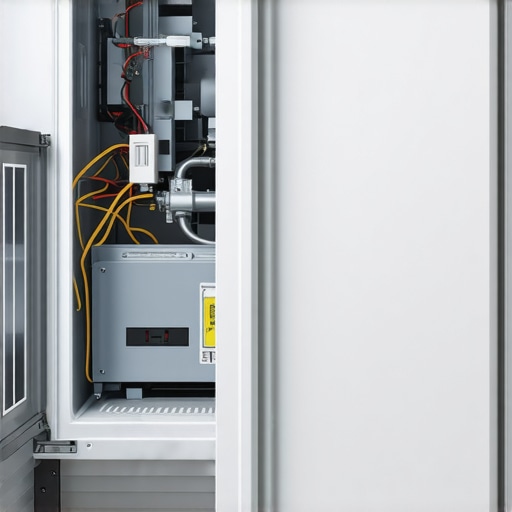
I remember the day I heard that relentless humming from my refrigerator and thought, ‘Did I forget to turn it off?’ It kept running, even when I was sure the door was closed. That obnoxious constant noise was more than just an annoyance—it was a sign something was off. Weeks later, I found myself wondering if my appliances were working against me rather than supporting my daily life. If you’ve experienced that persistent, marathon-like running of your fridge’s compressor, you’re not alone.
How to Tell If Your Fridge Is Overdoing It
When your refrigerator’s compressor runs non-stop, it can spike your energy bills and wear out the appliance faster. But why does this happen? And more importantly, what can you do about it? Today, I’ll guide you through the common causes of a constantly running compressor and help you troubleshoot before calling in the pros.
Is It Really Worth Worrying About? Or Just Normal Wear and Tear?
At first, I thought my fridge was about to give out. Turns out, some frequent running is normal, especially in hot weather or if you keep opening the door often. However, if it runs nonstop for days, it’s time to investigate. Early on, I made the mistake of ignoring strange noises, assuming every appliance just gets louder with age. Trust me, that was a costly mistake. Regular maintenance and understanding your appliance’s signals can save you from costly replacements and energy waste.
Research shows that a refrigerator compressor that’s working overtime can increase your energy consumption by up to 15% (source: Smart Appliance Review). So, it’s not just about comfort—it’s about efficiency and savings too.
Before diving into complicated fixes, ask yourself—have I been neglecting simple maintenance like cleaning the coils or checking the door seals? These overlooked steps can make a big difference. And if you’re wondering about the best ways to keep your appliances in top shape, check out tips from industry experts.
Ready to get to the bottom of why your fridge’s compressor won’t stop running? Let’s explore the common problems and straightforward solutions that can breathe new life into your appliance—and your energy bills.
Identify the Cause of Continuous Running
Start by unplugging your refrigerator and inspecting for obvious issues like dirty coils or damaged door seals. Think of your fridge as a car engine; if it’s revving non-stop, something’s off. In my case, I noticed my coils covered in dust, which I cleared with a vacuum cleaner—this immediately reduced the running time. Regularly checking these components is key to preventing overworking the compressor.
Clean the Condenser Coils
Locate the coils either at the back or beneath your fridge. Use a coil brush or a vacuum attachment to remove dust and pet hair. Cleaning coils is like giving your appliance a breath of fresh air—your compressor can work more efficiently. I once neglected this, leading to a malfunction, but after a quick clean, the compressor quieted down significantly.
Check and Replace Door Seals
Ensure the door gaskets are sealing properly. Close the door on a dollar bill; if it slips out easily, replace the seals. Think of door seals as the fridge’s defenses against warm air. Replacing worn-out seals took me only 15 minutes and instantly improved temperature regulation, reducing the compressor’s workload.
Control the Temperature Settings
Set your fridge between 37-40°F and the freezer at 0°F. Use a thermometer for accuracy. An incorrect setting tricks your compressor into running constantly. When I initially set mine too cold, it overcompensated, an easy fix that saved energy. Proper temperature control can make a noticeable difference.
Verify the Evaporator and Condenser Fans
Listen for the fans running smoothly. If they’re noisy or not spinning, they may need cleaning or replacement. These fans circulate air over the coils, much like how a fan cools a room. I had a fan stop working, causing the compressor to run nonstop. Cleaning and replacing the fan restored normal operation.
Inspect the Thermostat and Defrost System
Malfunctioning thermostats cause the compressor to run continuously. Test with a multimeter or replace if faulty. Also, check the defrost drain for clogs; ice buildup can stress the compressor. I replaced my thermostat after it failed, which immediately stopped the nonstop running. Regular maintenance on these parts keeps the appliance functioning efficiently.
Assess for Refrigerant Leaks
Leaks are tricky but noticeable if there’s reduced cooling or hissing sounds. Only a professional can repair refrigerant issues. I once ignored strange hissing noises, which led to compressor failure. Recognizing early symptoms prevents costly repairs down the line.
Schedule Professional Maintenance
If you’ve gone through these steps and the compressor still runs constantly, consult an appliance technician. Think of it as taking your car for regular checkups; experts can identify hidden issues. Preventive maintenance extends your fridge’s lifespan and conserves energy, aligning with future appliance trends in 2025.
Many homeowners overlook crucial nuances when it comes to their appliances, often relying on common myths that can lead to costly mistakes. For example, a widespread belief is that all smart appliances automatically fix maintenance issues, but in reality, smart features are only as good as their setup and user habits. Overestimating their capabilities can cause users to neglect essential manual upkeep, like cleaning filters or inspecting seals—critical steps emphasized by experts in the field (read more here).
Another misconception is that washing machines and dishwashers should be run to full capacity every time, assuming it maximizes efficiency. However, overloading can strain the motor and reduce cleaning effectiveness, leading to premature wear. Balancing load size with manufacturer recommendations prevents these pitfalls, a nuance often missed without careful attention.
Are Modern Appliances Really More Sustainable Than Older Models?
This question challenges the assumption that newer models are inherently better for the environment. While many modern appliances boast advanced energy-saving features, some may have complex electronics that, if not properly maintained, diminish their efficiency over time. A study by the International Energy Agency highlights that improperly maintained complex systems can consume more power than simpler, well-maintained older units (see the report here). Therefore, understanding the nuances of appliance maintenance and usage is vital for truly sustainable living.
Beware of the trap where users assume that frequent replacement always leads to better efficiency—this is not necessarily true. Regular, proper maintenance extends appliance lifespan and enhances performance. For instance, cleaning refrigerator coils and inspecting door seals prevents unnecessary energy drain, prolonging the life of your investments. Conversely, neglecting these can cause your fridge to work harder, wasting power and increasing bills.
In my experience, many errors stem from a lack of awareness about the advanced features in newer appliances. For example, smart refrigerators often have internal cameras and inventory tracking, but users rarely utilize these tools effectively. It’s crucial to learn how to leverage these features to optimize food storage and reduce waste, in alignment with the trends predicted for 2025 (see more here).
So, next time you buy or maintain an appliance, dig deeper than the surface. Question assumptions, understand the nuances, and don’t fall for common myths that could cost you time and money. Have you ever fallen into this trap? Let me know in the comments!
Prioritize Consistent Maintenance to Keep Your Appliances Running Smoothly
Maintaining your household appliances is crucial for longevity and efficiency. I personally swear by using a combination of specific tools and software that help me stay ahead of potential issues before they escalate. Regular upkeep not only extends the lifespan of your appliances but also saves you money in the long run. In the future, I predict that smart diagnostic tools and AI-powered maintenance apps will become even more integral, automating routine checks and alerting homeowners to problems automatically.
How do I keep my appliances performing optimally over time?
One of my go-to methods involves leveraging high-quality inspection gadgets, like a digital multimeter for testing electrical components in smart appliances. I also recommend investing in a reliable coil cleaning brush designed for refrigerator condensers—this simple asset helps prevent overheating and overworking the compressor. For software, I rely on apps compatible with my appliance’s smart systems, such as the official manufacturer monitoring apps, which provide real-time alerts on issues and maintenance reminders. These tools collectively ensure I catch minor problems early, avoiding costly repairs.
Tools I rely on for appliance upkeep
My toolkit includes a digital infrared thermometer to monitor temperature consistency in my fridge and washer. This device is invaluable for diagnosing uneven cooling or heating issues—problems that can force appliances to work harder than necessary. For example, I routinely check the temperature of my fridge’s compartments, ensuring they stay within optimal ranges—it’s a simple step that prevents compressor burnout. Additionally, I use a magnetic leak detector to spot refrigerant leaks quickly, which is much more efficient than waiting for obvious symptoms to appear. These small investments in tools have paid off by keeping my appliances operating reliably for years.
Using software to streamline appliance management
Modern appliances often come with a suite of smart features, including firmware updates and diagnostic reports. I keep my devices connected through manufacturer apps, which notify me of potential issues or needed servicing—sometimes even before I notice any symptoms. Regularly updating firmware ensures that appliances have the latest bug fixes and energy efficiency improvements, aligning with predictive maintenance trends that are poised to revolutionize home appliance care (see the 2025 trends here). Embracing these technologies means less manual troubleshooting and more proactive management.
Future of appliance maintenance and my recommended approach
As smart home technology advances, I foresee a future where appliances diagnose themselves and alert homeowners of specific issues via integrated apps—eliminating much of the guesswork. To prepare for this, I suggest trying out maintenance routines that incorporate these tools now. For instance, set a monthly reminder to run diagnostic scans via your apps or physical tools, such as a coil cleaner or leak detector. This simple step can prevent minor problems from becoming major headaches.
Remember, regular preventative measures are your best allies. For example, cleaning condenser coils remains a straightforward yet effective practice—consider trying a coil cleaning brush and see if it proves as impactful as it has been in my experience. Investing in the right tools and tech now will ensure your appliances serve you reliably long into the future.
Interested in more advanced techniques? Explore how firmware updates can add new features or improve energy use, and don’t hesitate to try one of these innovative maintenance tips today!
Lessons That Took Me from Frustration to Confidence in Appliance Care
- Malfunctions Often Hide Behind Simple Fixes: The biggest lesson I learned was that most compressor issues stem from overlooked maintenance tasks like coil cleaning, not from age or complex faults. A quick coil dust-off often restored my fridge’s efficiency.
- Myths Can Cost You Time and Money: I used to believe that smart appliances could handle everything, but I realized manual upkeep is still essential. Regular inspections and understanding the mechanics prevent costly repairs.
- Temperature Settings Are More Critical Than You Think: Setting your fridge at the right temperature isn’t just about food safety—it’s about reducing strain on the compressor. Precise control makes a measurable difference.
- Preventative Maintenance Saves the Day: Establishing a routine for coil cleaning, seal checks, and software updates has extended my appliances’ lifespan significantly and kept my energy bills in check.
- Stay Curious and Invest in Knowledge: Following expert advice and exploring new tech trends keeps me ahead of potential issues, turning appliance management from reactive to proactive.
My Handy Tools and Trusted Resources for Appliance Wellness
- Digital Infrared Thermometer: Allowed me to monitor temperature fluctuations precisely, avoiding unnecessary compressor cycles.
- Coil Cleaning Brush: Made maintenance simple and effective, preventing overheating.
- Refrigerant Leak Detector: Helped me catch issues early, saving costs and downtime.
- Manufacturer Apps and Firmware Updates: These keep my appliances running efficiently and alert me about potential issues before they escalate.
For further reading and to deepen your appliance care skills, I recommend exploring resources like the ultimate guide to smart home appliances and future trends in appliance technology. Staying informed empowers you to make smarter decisions that prolong your fridge’s lifespan and enhance its performance.
Take Charge of Your Appliance Journey Today
Remember, the secret to a reliable and energy-efficient refrigerator isn’t magic—it’s consistent, informed maintenance. Embrace the tools, tips, and trends discussed, and watch your appliance serve you better for years to come. Do you perform regular maintenance on your appliances, or is it something you’ll start now? Let me know below!