
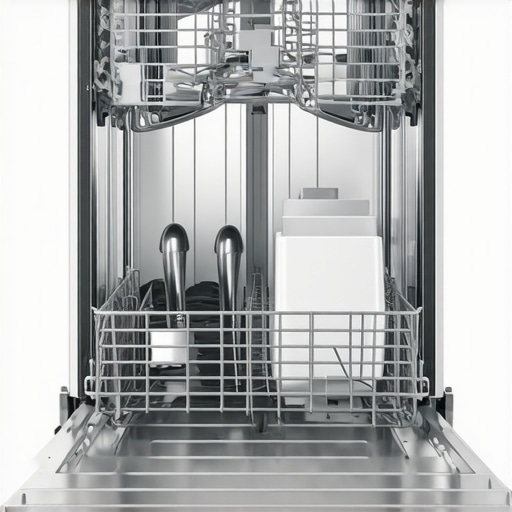
It was a quiet Sunday afternoon when I opened my dishwasher to find a foul smell that seemed to cling to every plate and cup. Despite running multiple cycles, the odor persisted, making me question whether I had neglected this vital kitchen appliance for too long. That lightbulb moment hit me solidly—my dishwasher’s deep-clean settings were either misused or overlooked altogether. From that day, I vowed to crack the code on the perfect deep clean routine.
Why Your Dishwasher Needs a Regular Deep Clean—and Why It Matters
Most folks, myself included initially, think of dishwashers as simple rinse-and-clean machines. But over time, soap scum, mineral deposits, and food residue build up where you can’t see them, often leading to odors, reduced cleaning performance, and even mechanical issues. As per a recent study by the Environmental Protection Agency, neglecting appliance maintenance can lead to increased energy consumption and costly repairs (EPA, 2022). That’s why mastering the right deep-clean settings isn’t just about fresh-smelling dishes; it’s about preserving the longevity of your appliance and saving money.
Getting into the habit of a thorough deep clean can seem daunting at first. I made a classic mistake early on—I thought running the hottest cycle with a generic detergent was enough. Spoiler alert: it’s not. The truth is, these settings are designed with a purpose, but they’re often underutilized or misunderstood. Once I learned to leverage specific features and methods, the results were surprisingly satisfying.
Are you tired of dealing with cloudy glasses or funky odors? Do you find yourself questioning if your dishwasher is doing its job? If so, you’re not alone. Stick around, because I’m about to walk you through the most effective ways to utilize your dishwasher’s deep-clean settings, ensuring your appliance performs at its best—and your dishes come out spotless and odor-free. Ready to transform your cleaning routine? Let’s dive into the critical steps to master your dishwasher’s deep clean.
Is the Deep Clean Setting Really Worth the Effort?
Like many, I was skeptical at first. I wondered if these specialized cycles truly made a difference or if they were just a marketing gimmick. Early in my journey, I used the deep clean function haphazardly, often skipping important prep steps. That mistake taught me the importance of understanding what this setting does and how to use it properly, which you can read more about in our detailed guide on [how to use vinegar to deep clean your dishwasher interior](https://smartappliancereview.com/how-to-use-vinegar-to-deep-clean-your-dishwasher-interior). Trust me, when used correctly, this feature can extend the life of your dishwasher and improve its performance. Now that I’ve covered the why, let’s explore how to get the most out of your deep clean routine.
Prep Your Dishwasher Like a Pro
Before diving into the cleaning process, remove all racks, utensil holders, and filters, just like clearing the decks before a major repair. Take a vinegar-soaked cloth and wipe down the door seals and gasket, which are the first frontline against odors and mold. Use a toothbrush to gently scrub crevices and hard-to-reach spots that trap grime. I once found a forgotten chicken bone lodged behind the filter—making this a routine check can save you from future clogs and bad smells.
Clean the Filter and Check for Obstructions
Locate the filter—usually at the bottom of the dishwasher—and remove it carefully. Soak it in warm, soapy water and scrub with an old toothbrush to rid it of food debris and grease. While you’re at it, inspect the spray arms for clogs or mineral buildup, which can jam the water flow. Unscrew the spray arms and rinse with warm water, using a pin or needle to clear any blocked jets. I had a moment of frustration when a spray arm was clogged with hard water deposits, but a quick soak and poke restored the pressure and cleaning power.
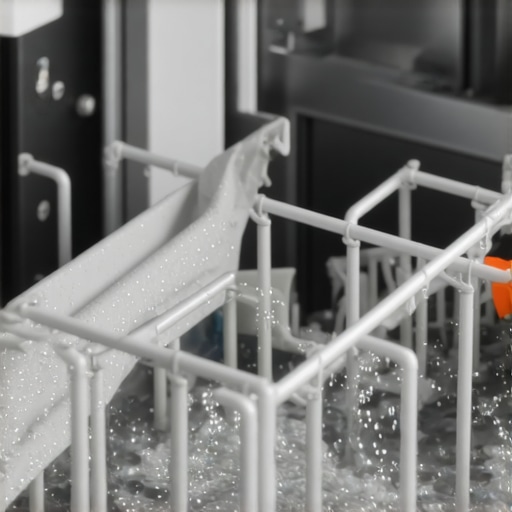
Visualize the spray arm disassembled and soaking in vinegar to dissolve mineral buildup.
Run a Vinegar Flush
Pour a cup of white vinegar into a dishwasher-safe container placed securely on the top rack. Select the hottest cycle with no detergent—think of it as giving your appliance a shower to loosen grease and mineral scale. This process breaks down soap scum and rids odors effectively. I did this after noticing the foul smell dimming and dishes emerging cleaner. For stubborn mineral deposits, consider adding a commercially available dishwasher cleaner following the manufacturer’s instructions for enhanced results.
Use Baking Soda for a Fresh Finish
Once the vinegar cycle completes, sprinkle a cup of baking soda across the bottom of the dishwasher. Run a short hot cycle to deodorize and further remove any residual grime. Baking soda acts like a gentle scrub and odor absorber, leaving your appliance smelling fresh. I remember doing this on a Sunday afternoon; the kitchen smelled like a fresh breeze afterward, and my dishwasher looked noticeably cleaner inside.
Maintain with Regular Checks
Repeat this routine monthly, especially if you notice lingering odors or reduced performance. Keep an eye on the filters and spray arms, and wipe down seals periodically. Incorporate this step into your routine to prevent buildup from developing into major problems. For more insights on appliance maintenance, visit our comprehensive guide on how to choose the best dishwasher.
Many homeowners are unaware of the subtle nuances that differentiate efficient appliances from those prone to issues. A common misconception is that running a dishwasher on the highest heat setting with generic detergent guarantees spotless, odor-free dishes. In reality, this approach can accelerate wear on your appliance’s components and isn’t as effective as properly utilizing specialized cycles and cleaning agents. For example, advanced models now incorporate AI-driven sensors that optimize water and energy usage, but many users ignore these features, missing out on significant efficiency gains—more info on the latest in [smart appliances with AI technology](https://smartappliancereview.com/innovative-dishwashers-with-ai-technology-you-must-know).
Another trap is believing that mineral deposits and soap scum will dissolve with repeated hot water cycles. While high temperatures help, targeted cleaning methods—such as vinegar flushes and descaling routines—are much more effective. Also, a common myth is that all refrigerators maintain optimal freshness regardless of placement; however, placement near heat sources can cause the compressor to work harder, reducing lifespan and increasing energy bills. Dive deeper into choosing the right refrigerator with tips from [industry experts](https://smartappliancereview.com/choosing-the-right-refrigerator-tips-from-industry-experts).
Regarding washing machines, many users think that adding fabric softener directly into the main drum will evenly distribute it, but it often clumps and causes residue buildup. Using the designated compartments and performing regular cleaning cycles ensures better performance and longer appliance life. Moreover, a prevalent mistake is neglecting the importance of leveling washing machines properly—an often-overlooked detail that can lead to excessive vibration and mechanical failure. Proper leveling is fundamental, and detailed guides are available on how to do it most effectively.
Now, here’s an advanced question that many don’t consider: How can smart home integration actually improve appliance longevity? While it might seem like a luxury, integrating appliances with home automation systems can provide real-time diagnostics, timely maintenance alerts, and optimized usage patterns, which collectively extend their service life. An expert from [smart home appliance trends](https://smartappliancereview.com/future-of-home-appliances-trends-to-watch-in-2025) emphasizes that smart tech is not just about convenience—it’s about smarter, more sustainable living.
Don’t fall for the misconception that all appliances are maintenance-free; in fact, neglecting even simple routines can cause costly damages over time. Regularly checking filters, seals, and moving parts ensures longevity and keeps your appliances running smoothly. Have you ever fallen into this trap? Let me know in the comments and share your experiences! Proper knowledge and attention to these hidden nuances can save you time, money, and frustration in the long run.Maintaining your appliances efficiently requires specific tools and routines that can save you time and extend their lifespan. One essential instrument I rely on is a digital multimeter, which helps me test electrical connections and ensure components like heating elements and motors are functioning correctly, preventing unexpected breakdowns. For cleaning interior parts, I swear by a long, flexible brush designed for dishwasher spray arms; it reaches deep into hard-to-clean jets, guaranteeing optimal water flow and cleaning performance. To monitor long-term performance, I use appliance diagnostics apps that connect via Wi-Fi—most modern smart appliances offer these features—that provide real-time status updates and fault alerts, allowing proactive maintenance before problems escalate. Learning to interpret error codes through these apps can help you troubleshoot issues without calling a technician immediately, saving expensive service costs.
In terms of software, many smart appliances now integrate with home automation systems, enabling scheduling, energy monitoring, and maintenance reminders. For example, setting a monthly notification to run deep-clean cycles using your washer or dishwasher ensures grime and deposits don’t accumulate unnoticed. I also recommend keeping a routine maintenance checklist tailored to each appliance, including filter cleaning, seal inspections, and component lubrication where applicable. These little steps, combined with the right tools, drastically reduce the chance of appliance failure.
Looking ahead, I predict that AI-powered diagnostics and predictive maintenance will become standard, making appliance upkeep even more straightforward. Imagine receiving a notification that a part is nearing end-of-life before it causes a breakdown—this proactive approach will revolutionize home appliance management.
How do I maintain my appliances over time?
A practical tip is to invest in a quality, magnetic lint and debris filter that can be attached to hoses and vents, preventing clog buildup in dryers, refrigerators, and washing machines. Regularly cleaning filters, drain traps, and checking door seals—preferably monthly—can keep appliances performing at their best. Implementing a digital maintenance schedule linked to your smartphone ensures reminders are automated, making routine upkeep effortless. For smart appliances, routinely updating firmware is crucial; it fixes bugs and introduces new features that can optimize performance. If you own a smart refrigerator, mentionable features like door alarms and water filter status alerts can be monitored through dedicated apps, keeping your unit in top shape.
Utilizing the right diagnostic tools and integrating maintenance routines with your digital ecosystem can transform appliance care from reactive to proactive. For further insights into smart home appliance management, visit our article on ultimate guide to smart home appliances. Don’t hesitate—try out a monitoring app today to receive real-time alerts about your appliances’ health and get ahead of potential issues before they disrupt your daily routine.
Over the years, I learned that a diligent and informed approach to dishwasher maintenance can significantly boost its performance and lifespan. The key lies in understanding the subtle lessons I uncovered through trial, error, and a touch of curiosity. If you want your appliances to serve you reliably for years to come, adopting these insights can be a game-changer.
The Hidden Lessons I Learned About Home Appliance Care
- It’s all about routine, not just quick fixes. I used to think running hot cycles with detergent was enough—turns out, regular deep cleaning routines using vinegar and baking soda make a real difference. Now, I schedule monthly maintenance to stay ahead of buildup and odors.
- Small details matter more than you think. Cleaning filters, inspecting spray arms, and wiping seals prevent major issues down the line. I once ignored a hidden filter clog and paid the price with costly repairs—not something I want to repeat.
- Leverage your appliance’s features intelligently. Modern dishwashers and smart appliances have cycles designed for deep cleaning. Learning to use these settings properly saved me time and extended the life of my devices.
Tools and Resources That Make Maintenance Easier
- Vinegar and baking soda routines are simple, effective, and affordable ways to keep your dishwasher fresh. I trust these because they’re tried-and-true home remedies that work.
- The ultimate guide to smart appliances offers expert advice on smart maintenance features. Incorporating smart diagnostics into your routine can preempt issues and save you money.
- Home toolkits with flexible brushes and multimeters help me troubleshoot when odd noises or performance dips appear. These are my go-to for quick, DIY fixes that prevent major breakdowns.
Your Next Step Towards Appliance Confidence
Investing in proper care might seem like extra effort, but it’s the most reliable way to ensure your appliances remain efficient and long-lasting. Making maintenance a habit empowers you, transforming routine chores into opportunities for proactive care. The future of home appliances is smart, connected, and built to last—are you ready to take control? Explore how future trends can help you maintain your appliances more effectively. What’s one maintenance tip you’ve been neglecting? Share below and inspire others to start their own routine!