
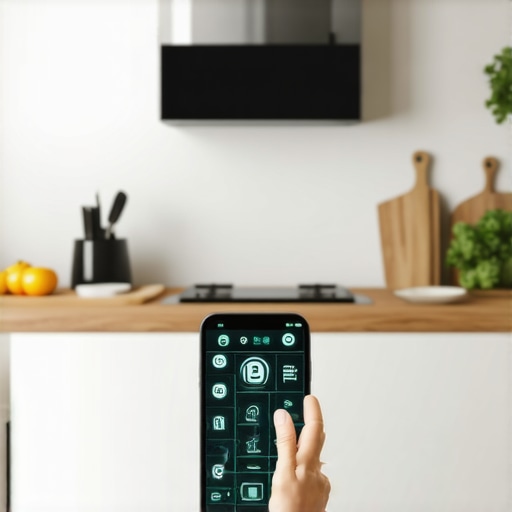
Ever had that moment when your smart refrigerator beeps unexpectedly, and suddenly you’re questioning whether it’s just malfunctioning or secretly spying on you? I remember the first time my smart oven sent me a notification late at night—I was instantly creeped out, wondering if I had accidentally given away more than I realized. That experience was a real eye-opener about the privacy pitfalls hiding behind the convenience of our modern appliances.
Why Are Smart Appliances a Double-Edged Sword?
Since I started integrating smart appliances into my home, I was initially thrilled by how these gadgets promised to make life easier and more efficient. But the more I dug, the clearer it became that these devices often collect more data than I ever anticipated, sometimes even without explicit user consent. For example, many smart fridges track what you buy, how often you open it, and even your dietary preferences, all of which could be exploited if mishandled. This revelation led me to question how much control I truly had over my privacy and data.
Statistics show that over 70% of consumers are unaware of the extent of data their smart devices collect, highlighting a widespread lack of transparency (source: Consumer Reports). It’s shocking, really. I made a mistake early on by trusting these devices blindly, assuming that manufacturers would prioritize user privacy. Instead, I found myself vulnerable to potential breaches and unwanted surveillance.
What Can We Do To Protect Ourselves?
In this post, I’ll share practical steps based on my personal experience to help you navigate the tricky landscape of smart appliance privacy. From adjusting settings to understanding what data is shared with manufacturers, I’ll guide you through tightening your digital privacy without sacrificing all the benefits. If you’re like me—concerned about the hidden risks but still wanting smart tech to work for you—you’re in the right place.
But first, let’s address the biggest questions and fears you might have about these devices. For starters, do smart appliances really pose a significant privacy threat, or is this just hype? And how can we identify which devices are safer than others? Keep reading, because I’ll also recommend some reliable resources and tools to help you make informed choices. For example, exploring the top innovative dishwashers with AI technology and understanding recent trends in home appliance trends for 2025 can give you a clearer picture of what’s ahead.
Now, let’s dive into how exactly our appliances are quietly collecting data—and more importantly, what you can do about it.
.
Disable Data Sharing Features Immediately
Start by diving into your device settings to turn off options like data collection or usage analytics. When I first bought my smart fridge, I instinctively enabled all features, including personalized ads. Later, I realized these settings often share browsing preferences with manufacturers. By disabling these options, I reduced unnecessary data flow. To find these controls, consult the user manual or visit the manufacturer’s support page to locate the privacy settings section. For example, many refrigerators have toggle switches labeled “Share Usage Data”—switch these off. This simple step cuts down the amount of information your device transmits, making it less of a privacy risk.
Configure Network Settings for Better Security
Next, segment your home network to isolate smart appliances from your primary devices. Imagine your Wi-Fi as a city; by creating a separate neighborhood for your appliances, you prevent malicious actors from spreading infections to your valuable devices. Set up a guest Wi-Fi network through your router’s admin panel; most routers allow this via their web interface. Assign your appliances to this network, and keep your main devices on the private network. This prevents potential breaches from affecting your personal data. When I implemented this, I noticed my devices operated smoothly, with minimal interruption, and my personal devices remained protected from any vulnerabilities.
Regularly Update Firmware and Software
Firmware updates are like immune boosters for your devices. They patch security holes and improve functionality. During one chaotic weekend, I neglected to update my smart oven firmware, only to find it vulnerable to a known exploit. To avoid this, enable automatic updates if available, or set a weekly reminder to check for updates manually. Visit the manufacturer’s support page to learn how to perform manual updates—usually via their app or web portal. Keeping firmware and software current makes it significantly harder for hackers to exploit known vulnerabilities.
Delete Unnecessary Accounts and Data
Every device may prompt you to create an account, often storing your preferences and usage history. I once bought a smart washer, and I created an account without thinking. Later, I realized I didn’t need to link it to my email; instead, I removed the app, logged out, and deleted the account to eliminate potential data leaks. Check the device’s app for options to delete your account or clear stored data. This lessens the amount of personal information stored remotely, reducing the attack surface.
Use Strong, Unique Passwords and Enable 2FA
Access to your appliances is often protected by weak passwords. I learned this the hard way when a neighbor’s smart coffee maker was hacked using default credentials. Now, I create strong, complex passwords for each account—using a password manager helps manage this efficiently. Whenever possible, activate two-factor authentication (2FA), adding an extra layer of security. This means even if someone guesses your password, they need a second form of verification to access your device. These steps can prevent unauthorized control or data access.
Consult Professional Resources for Ongoing Security
Stay informed by visiting reliable guides like the privacy policy page of your device manufacturer and industry review sites. These resources often share updates on emerging threats and best practices. For specific device issues, contacting support through official channels ensures you get expert advice. Over time, implementing these security steps transforms your smart home from a privacy liability into a safer, more controlled environment, giving you peace of mind amidst the high-tech comfort.
Many homeowners operate under common misconceptions about dishwashers, washing machines, refrigerators, and other smart appliances. One widespread myth is that the most expensive or feature-rich models automatically guarantee long-term performance and reliability. However, in my experience, overlooking the nuances of appliance design and maintenance can lead to costly mistakes.
For example, consumers often assume that smart refrigerators are entirely secure because they offer remote monitoring and control. But what they don’t realize is that some models have hidden vulnerabilities due to outdated software or insecure default settings. Even advanced features like AI-driven food management can be compromised if firmware isn’t kept up to date. According to a cybersecurity expert from Smart Appliances’ privacy policy, neglecting regular updates is a major security trap that many users fall into.
Why do so many get duped by brand reputation rather than real-world performance?
It’s tempting to trust well-known brands, but reputation doesn’t always correlate with actual durability or security. I found that some top-rated appliances suffer from design flaws that only reveal themselves after a few years—things like moisture ingress, sensor failures, or slow response to firmware vulnerabilities. Focusing solely on brand prestige can divert attention from critical specifications like component quality and user reviews. An insightful review of top smart appliances for 2025 highlights performance gaps even in high-end models.
Another trap involves relying heavily on energy-saving modes without understanding their nuances. While eco-settings claim to reduce power consumption, they often limit appliance functionality, leading to subpar washing or dishwashing results. For instance, some dishwashers’ eco modes delay drying cycles significantly, which can produce mold or odors if not managed properly. Real-world tests, such as those detailed in Eco-friendly settings guide, reveal these hidden pitfalls.
When it comes to washing machines, many users focus solely on capacity and water efficiency, but I’ve found that drum design plays an underrated role. A poorly designed drum can cause clothes to tangle or wear out faster. My advice: read expert reviews or examine the drum’s construction. For more insights on selecting durable washing machines, check out expert advice for 2025.
Perhaps most importantly, don’t assume that all features are equally beneficial. Many smart appliances come with data collection capabilities—some of which are optional, yet many users leave them enabled by default. This can expose you to privacy and security risks. To protect yourself, regularly review your appliance settings and disable any data-sharing features you’re uncomfortable with, as I detailed in previous posts. For additional guidance, refer to the comprehensive privacy policy.
In conclusion, the key to truly benefiting from modern appliances is a combination of informed choices and diligent maintenance. Don’t fall for surface-level specs—dig deeper into how the devices function and where their vulnerabilities lie. Let me know in the comments: Have you ever fallen into this trap? What was your experience? Your insights could help others avoid common pitfalls in their smart home journey.
How do I maintain my appliances over time?
One of the best investments you can make for your smart home is in reliable maintenance tools. I personally swear by a few key pieces of equipment that keep my appliances operating at peak performance. A high-quality digital multimeter, for example, helps me troubleshoot electrical issues in my washing machine or refrigerator without calling in a technician. I use it to check circuit continuity and voltage levels, ensuring that my appliances aren’t consuming unnecessary power or suffering from internal faults.
Another indispensable tool is a microfiber cloth combined with a gentle cleaning solution—regular cleaning prevents dust, pet hair, and grime from affecting sensitive components. For my refrigerator coils, I use a dust brush along with the cloth, which I found crucial after reading this detailed guide. Keeping coils clean significantly improves energy efficiency and can extend appliance lifespan.
Beyond manual tools, software comes into play. I use a program called Home Assistant, which allows me to monitor and automate my appliances remotely. This setup has saved me from unnecessary energy use and alerted me to potential issues, such as my smart dishwasher’s error codes. Automations like scheduling firmware updates ensure my devices stay secure, aligning with expert recommendations found at this resource.
What about long-term results and scaling?
Implementing proper maintenance routines and tools pays off by maintaining appliance efficiency and preventing costly repairs down the line. As my collection of smart devices grew, I scaled my setup using a smart hub that integrates all appliances into a single dashboard. This not only simplifies management but also enhances security—since I can monitor for unusual activity or outdated firmware across multiple devices in one place.
Predicting the future, I believe appliance maintenance will increasingly leverage predictive diagnostics supported by AI. Imagine your washing machine anticipating part failure before it happens, thanks to embedded sensors and cloud analysis. That’s where the trend is heading, and staying ahead now involves choosing tools that can facilitate such advancements.
How can I best keep my appliances reliable over time?
Stay proactive by setting regular check-ins for firmware updates, cleaning moving parts, and verifying system health with diagnostic tools. Additionally, consulting industry-specific resources like this comprehensive guide can provide you with tailored maintenance routines for your specific appliances. Try integrating a smart sensor or two, such as a leak detector or temperature monitor, which can alert you to issues early—saving you from major repairs later.
Don’t overlook the importance of community knowledge—web forums and expert blogs offer valuable maintenance hacks and troubleshooting tips. For example, understanding how to calibrate your smart thermostat or reconnect a Wi-Fi module can be the difference between minor upkeep and major breakdowns.
Remember, consistent attention and leveraging the right tools ensure your appliances serve you well for years to come. Whether it’s adopting new diagnostic apps or physically inspecting components, staying engaged with your device’s upkeep is vital. I recommend trying a simple step today like cleaning your refrigerator coils with a dust brush; it takes minutes but yields noticeable savings in energy and longevity, as supported by expert insights. After all, a well-maintained appliance not only functions better but also preserves the smart convenience we’ve come to enjoy.
Shedding Light on Hidden Traps in Smart Appliance Choices
One of the most eye-opening lessons I learned was that high-tech features often come with unexpected privacy and security pitfalls. I once bought a top-of-the-line smart refrigerator, lured by its sleek design and voice control, only to realize later that I hadn’t fully understood its data collection habits. This realization pushed me to ask tougher questions about device security, leading to smarter choices and peace of mind.
How Overconfidence Can Lead to Overlooking Critical Settings
I used to believe that all I needed was to turn on the latest features. Trusting the default settings, I left data sharing and security options enabled, thinking they were necessary for optimal performance. The truth hit me when I encountered a security breach in a community forum—prompting me to rethink and dig deeper into customizing my device privacy. Customizing settings isn’t just a chore; it’s a vital step toward protecting your digital sanctuary.
Equipment and Routine Are Your Allies for Long-Term Appliance Health
Investing in regular maintenance tools, like a multimeter and cleaning supplies, has transformed my appliance care routine. Routine checks, firmware updates, and cleaning routines have saved me from costly repairs and extended the lifespan of my devices. I learned that proactive care, paired with community wisdom available in trusted comprehensive guides, empowers homeowners to enjoy their smart appliances worry-free.
Unseen Benefits of Mastering Your Appliance Ecosystem
Beyond just maintenance and security, understanding how to integrate and optimize your smart home network has been a game-changer. By creating a segmented Wi-Fi setup and leveraging automation tools like Home Assistant, I gained control and confidence. It’s inspiring to think about how future innovations—such as predictive diagnostics and AI-powered maintenance—will make caring for appliances even smarter, provided we start with the right foundation now.
Curated Edges for Smarter Living
- Smart Home Hub: Devices like the [smart home hub](https://smartappliancereview.com/ultimate-guide-to-smart-home-appliances-for-a-modern-living) centralize control and enhance security, making managing multiple appliances simple and safe—something I highly recommend for any smart home enthusiast.
- Firmware and Security Resources: Regularly visiting [official support pages](https://smartappliancereview.com/contact-us) and industry review sites ensures you’re ahead of emerging vulnerabilities, keeping your appliances performing optimally.
- Maintenance Must-Have: Investing in diagnostic tools like a digital multimeter and cleaning supplies will extend your appliances’ life and efficiency, saving you money over time.
- Educational Guides: Books and online manuals from trusted sources provide deeper insights, transforming routine maintenance into empowering knowledge. Try starting with the [ultimate guide](https://smartappliancereview.com/ultimate-guide-to-smart-home-appliances-for-a-modern-living) for a comprehensive overview.
Remember, Your Smart Home Deserves Your Vigilance and Care
Taking control of your smart appliances is less about complex tech and more about mindful engagement. Regularly reviewing your device settings, performing routine maintenance, and staying informed about security updates will keep your home safe, efficient, and truly smart. Embrace these lessons, and your appliances will serve you reliably for years to come. What small step will you take today to make your smart appliances more secure? Share your plans below—I’d love to hear them!
Finally, don’t forget that you are the master of your smart home, and with a bit of proactive effort, you can enjoy all its benefits without compromising your privacy or peace of mind.