
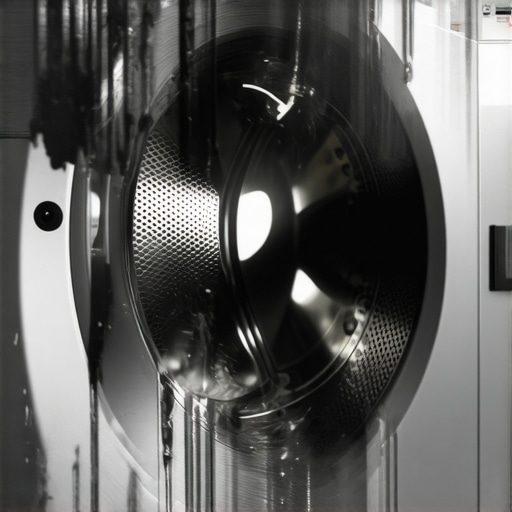
Ever opened your front-load washer after a long day only to be greeted by that unmistakable musty smell? I remember the moment vividly. It was late in the evening, laundry mountain growing, when I finally noticed the sour odor wafting from my machine. I thought it was just part of owning a modern appliance—until I realized how often this problem seemed to happen without warning. That lightbulb moment made me dig deep, and I discovered I wasn’t alone. Many homeowners face the same frustrating issue of a stinky washer, and it’s more common than you might think.
The Hidden Culprit Behind the Odor
What’s causing that persistent mildew smell? The answer lies in a common oversight: neglecting to properly clean and maintain the machine’s interior. Front-load washers are fabulous for saving water and space, but they’re also prone to trapping moisture in places like the door seal and detergent drawer. When moisture lingers, it becomes a breeding ground for mold and bacteria, which in turn produce that foul odor. Early on, I made the mistake of assuming that just running a quick rinse cycle would suffice. Spoiler alert — it doesn’t. Instead, regular cleaning and some simple habits can keep your washer smelling fresh and functioning at its best.
Could There Be Something More Serious? Is Your Machine Actually Broken?
It’s easy to panic when your laundry appliance develops a smell. I used to think I’d have to replace my washer entirely. But that’s rarely necessary. Most cases of a mildewy smell are fixable with a few maintenance steps. Still, I understand the skepticism —”Is this even fixable? Or am I doomed to live with the smell?” That’s why I want you to know that with a little effort, you can completely eliminate that odor. It wasn’t until I stopped ignoring the importance of routine cleaning that I saw real change. Mythbusting some common misconceptions about front-load washers can be reassuring, and I’ll share detailed tips that truly work.
If you’ve been battling that persistent odor and wondering whether it’s a sign of a bigger issue, you’re in the right place. We’ll go step by step through the best methods—backed by expert advice—to keep your washing machine fresh, clean, and smelling great. Ready to say goodbye to that musty smell? Let’s dive into the practical solutions that will transform your laundry routine.
Start With a Deep Clean of Your Washer
Remove any clothes or items, then check the door seal for debris or mold. Use a cloth dampened with white vinegar and a soft brush to scrub around the gasket’s folds, paying special attention to hidden corners where mold loves to hide. For a thorough cleaning, run an empty hot water cycle with two cups of white vinegar and half a cup of baking soda—this combo dissolves soap scum and kills bacteria that cause odors. Similar to cleaning a refrigerator’s coils to improve efficiency, this step resets your washer’s internal environment, preventing future smells.
Maintain Regular Cleaning Routine
Set a monthly reminder to repeat the vinegar and baking soda cycle. After each load, wipe the door seal and detergent drawer to remove residue and moisture. Keep the door slightly ajar after washing to allow air circulation, reducing residual moisture—this is like leaving a car door open to dry out dampness, preventing mold growth. Implementing this habit minimizes buildup, ensuring your machine stays fresh and odor-free.
Optimize Washer Usage for Odor Prevention
Use the appropriate amount of HE detergent; excess detergent can leave residues that foster mold. Avoid overloading the washer, which hampers proper rinsing and rinses away detergents effectively. When washing particularly smelly items—like workout clothes—add a cup of white vinegar or use specialized odor-eliminating detergents available on the market. Consider running an extra rinse cycle for these loads to ensure all residues are cleared. Think of this as providing your appliance with a clear path to do its job effectively, much like giving a mechanic the right tools for repairs.
Address Moisture and Ventilation Issues
If your laundry room is humid or poorly ventilated, mold and odors become more likely. Use a dehumidifier or ensure proper airflow around your washer. Regularly check the drain filter and hoses for clogs—blocked drains cause residual water retention, similar to what happens in a kitchen sink, leading to smells. For added protection, consider installing a small exhaust fan or opening windows during and after washing cycles to promote drying, much like letting fresh air circulate in a damp basement.
Utilize Smart Features and Accessories
If your appliance is a smart washer, leverage its scheduling and maintenance alerts to stay on top of cleaning routines. Some models notify you when to run cleaning cycles or when detergent levels are low, simplifying maintenance management. You can also explore smart sensors that detect moisture buildup, alerting you before odors develop. Integrating smart technology is akin to having a personal laundry assistant, ensuring your machine always performs at its best. For more insights on smart appliances, visit this comprehensive guide.
Address Persistent Odors with Advanced Solutions
If you’ve followed all these steps and still notice odors, try cleaning the drainage system thoroughly or replacing the gasket if it’s heavily mold stained. Deep-seated issues may require professional inspection, similar to a mechanic diagnosing engine troubles. Incorporate desiccant packs in your laundry area to absorb excess moisture, and ensure the laundry room’s humidity is controlled. For ongoing maintenance tips, check the article on hot water issues and solutions, which often relate to odor problems.
Many homeowners assume that simply following basic manufacturer instructions guarantees optimal performance of their appliances, but this is a misconception. For example, a common misunderstanding about refrigerators is that setting the temperature to the lowest setting will keep food fresher longer. In reality, overly cold settings can cause freezing or uneven cooling, wasting energy and potentially damaging your food. Experts like those at industry professionals advise maintaining the fridge at around 37-40°F for best results, which saves energy and preserves freshness.
Another misconception revolves around washing machines. Many believe that using more detergent results in cleaner clothes, but excess detergent can lead to soap scum buildup and unpleasant odors, especially in front-load models. The real trick is to use the right amount, as indicated by your detergent’s packaging and your machine’s specifications. Overloading the washer is another common mistake that hampers cleaning effectiveness and causes undue wear. Efficient operation involves understanding nuance—like the importance of proper load distribution and choosing appropriate wash cycles for different fabrics.
When it comes to dishwashers, there’s a myth that running rinse cycles consumes just as much water and energy as full washes. In fact, modern dishwashers are designed with eco-friendly modes that significantly reduce resource use. Supplementing this, advanced models incorporate AI to optimize water and energy consumption based on load size and soil levels. However, a trap many fall into is overloading the dishwasher, which prevents proper cleaning and may lead to water spots or residue.
Smart appliances add another layer of nuance. A common mistake is to assume they are entirely secure—many users neglect to update firmware or ignore privacy settings, which can compromise data security. As noted in privacy guides, keeping software updated and understanding data-sharing permissions is crucial. For instance, a smart fridge with a built-in camera can be a convenient tech feature, but if not properly secured, it could be vulnerable to hacking.
Finally, advanced questions often arise about appliance longevity and efficiency. Why do some high-end refrigerators suddenly lose cooling? One explanation is neglecting routine maintenance like cleaning condenser coils, which, according to experts’ advice, can significantly impact performance. Overlooking subtle signs of wear leads to costly repairs and energy wastage.
Have you ever fallen into this trap? Let me know in the comments. The key takeaway is that understanding the nuanced factors—like correct temperature settings, proper loading techniques, and maintenance routines—can extend the life of your appliances and optimize their efficiency. By digging deeper into these details, you ensure your home runs smoothly and saves money over time.Keeping your home appliances in peak condition requires the right tools, a bit of know-how, and consistent care. Personally, I rely on a combination of specialized cleaning products and smart technology to extend the lifespan of my refrigerators and washing machines. For instance, I swear by using a digital infrared thermometer to check fridge and freezer temperatures accurately, ensuring food stays fresh without overcooling, which can waste energy and cause damage over time. These devices, affordable and easy to use, help me monitor appliance health continuously and catch issues early.
Another game-changer for me has been investing in an ultrasonic descaling device for my coffee machine and dishwasher spray arms. Regular descaling prevents mineral buildup, which reduces efficiency and can lead to breakdowns. I’ve found that incorporating routine descaling every three to six months, depending on water hardness, significantly improves performance and longevity. For refrigerators, I maintain a schedule of cleaning condenser coils every quarter using a coil brush, as dust accumulation hampers efficiency and increases energy bills, according to industry standards outlined by experts in appliance maintenance.
How do I maintain my appliances over time?
To keep home appliances working smoothly and avoid costly repairs, regular inspections and preventive maintenance are critical. Smart appliances equipped with automated alerts can notify you when filters need replacing or when maintenance is overdue—these features are increasingly becoming standard, and I strongly recommend selecting models with such capabilities. For example, smart washing machines like the ones discussed in this guide can automatically remind you to run cleaning cycles, which sustains performance and eliminates odors.
Additionally, using appropriate tools like moisture meters in humid climates can help monitor mold risks in areas like laundry rooms. Incorporating smart sensors, which can be connected through home automation hubs, allows real-time data on appliance conditions, enabling proactive maintenance. As the future of appliances moves toward AI-powered diagnostics, familiarizing yourself with these tools now prepares you for upcoming advances in home management.
In terms of long-term results, keeping up with routine maintenance ensures that your appliances operate at peak efficiency for years instead of just a couple of seasons. This investment reduces energy bills, minimizes breakdowns, and prolongs equipment life. Personally, I set monthly reminders in my smart calendar to check filters and clean critical parts. If you haven’t yet adopted some of these modern methods, now is a perfect time to start—your appliances will thank you in the long run! Want some tailored recommendations? Reach out via our contact page and I’ll help you select the best tools for your specific appliances and home environment.
What I Wish I Knew Before Fixing My Appliances
The biggest lesson I learned about refrigerators and washing machines is that routine maintenance isn’t just a chore—it’s a game-changer. Ignoring small signs like lingering odors or strange noises only led to bigger issues down the line, often costing me more time and money. Now, I realize that staying proactive helps me catch problems early, ensuring my appliances last longer and perform better. Also, I underestimated how much smart features can simplify maintenance—setting reminders or alerts in my smart appliances has saved me countless hours. Lastly, I discovered that using the right cleaning products tailored for each appliance can dramatically improve their efficiency and lifespan, something I wish I’d started doing sooner.
Tools and Resources That Transformed My Routine
For anyone serious about maintaining smart appliances, I recommend investing in a good digital moisture meter to monitor humidity levels, which helps prevent mold development. My favorite resource has been the comprehensive guides on Smart Appliance Reviews, which break down the latest innovations and maintenance tips in an easy-to-understand way. I also trust the privacy policies and security advice from trusted sources to ensure my smart setups are protected. Lastly, I keep a well-stocked toolkit with cleaning brushes and descaling devices, which has saved me from costly repairs and kept my appliances in top shape.
Your Next Step Toward Smarter Living
Now is the perfect moment to embrace the full potential of your smart appliances. Regular maintenance, proactive monitoring, and leveraging the latest technology will transform your home experience, making chores easier and reducing unexpected breakdowns. Remember, the effort you invest today will pay off in appliances that serve you reliably for years to come. If you’re ready to start or improve your maintenance routine, explore the best smart washers and refrigerators that align with your needs. Take action now—your future self will thank you!