
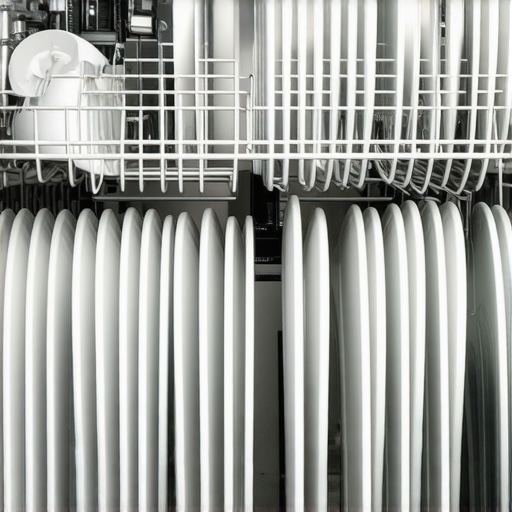
I remember the first time I loaded my brand-new dishwasher. Eager to get everything spotless, I crammed in my plates like I was playing Tetris, convinced I was maximizing space. But weeks later, I noticed some dishes weren’t drying properly, and others came out with leftover spots. It was frustrating—until I had that lightbulb moment about the importance of proper plate stacking.
Why Your Plate Arrangement Can Make or Break Your Dishwasher’s Performance
Properly stacking plates in a modern dishwasher isn’t just about fitting as much as possible; it’s about ensuring each dish gets the thorough cleaning and drying it deserves. When plates are loaded haphazardly or too closely together, water and detergent can’t reach all surfaces, leading to persistent grime and water spots. Conversely, well-organized stacking allows water jets to work efficiently, making your dishes look brand new every time.
According to appliance experts, improper loading is one of the top reasons dishwashers underperform. An article from [Smart Appliance Review](https://smartappliancereview.com/the-best-settings-for-a-deep-clean-in-your-dishwasher) emphasizes that strategic placement can significantly enhance cleaning results.
Have you experienced the frustration of arriving home to dishes that aren’t truly clean? If so, you’re not alone. Many homeowners overlook the importance of how they load their appliances, assuming that a full dishwasher always means a better cleaning.
So, what exactly is the secret to stacking plates effectively? The answer lies in understanding your dishwasher’s spray arm and optimizing placement to prevent blocking it. But before we dive into the how-to, let’s address a common skepticism.
Is Plate Arrangement Really That Critical, or Is It Overhyped?
Early in my journey to perfect dishwashing, I brushed off advice about load order. I thought, “It’s just a machine, it should work regardless.” That was a mistake. I realized that careless stacking led to repeated rinsing, wasted water, and even potential damage to delicate dishes. Trust me, taking a little extra time to load properly makes a huge difference.
Moving forward, we’ll explore practical tips for arranging your dishes to maximize efficiency and longevity of your appliances. Ready to transform your dishwashing routine? Let’s get started with the basics of optimal plate placement.
Start with the Right Prep
Before loading your dishes, remove any large food particles and empty the crumbs from the filter. Think of your dishwasher as a mini car wash—clogged filters are like dirty filters in a vacuum, reducing efficiency. By pre-cleaning, you ensure maximum water flow. For example, last week I rinsed off pasta sauce and scraped cheese off plates—small effort that led to noticeably cleaner dishes after the cycle.
Organize by Material and Size
Place items according to material—plastic, glass, porcelain—so they don’t block water jets or cause damage. Tall glasses should go on the upper rack, angled to prevent pooling, while pots and larger items fit snugly on the bottom. Think of it as arranging a bookshelf; heavier books go on the bottom to prevent toppling. When I loaded a particularly large casserole dish last weekend, I made sure it didn’t block the spray arm, which improved cleaning significantly.
Position Items for Optimal Water Flow
Keep dishes spaced out, not touching, to allow water and detergent to reach all surfaces. Imagine watering a garden; crowded plants compete for water, leading to dry spots. Use adjustable tines to create gaps—rotate or fold them to accommodate larger items. I once crammed plates so tightly that water couldn’t reach the center, resulting in residues. After rearranging, my glasses came out spotless.
Avoid Blocking the Spray Arm
The spray arm is like the nozzle on a garden hose—if obstructed, water doesn’t circulate properly. Use the trick to load tall plates without blocking the spray arm and ensure nothing hangs below or in front of it. Last week, I used this tip, and my dishes dried better, with no water spots.
Add Detergent Strategically
Place detergent in the appropriate dispenser, and avoid overloading with detergent—more isn’t always better. Think of detergent like fuel in a car; too much can cause spills and residue, too little won’t clean well. Use the right amount for your load size to prevent film buildup. I noticed that reducing detergent improved the appearance of my plastic utensils’ cleanliness.
Final Check and Run
Before starting the cycle, double-check that no items obstruct the spray arms or block the door seal. Think of closing the dishwasher as latching a tight lid—they need to be secure for optimal performance. When I neglected this step last month, my cycle didn’t clean thoroughly; now, I always do a quick inspect, boosting reliability and cleanliness.
While smart appliances promise convenience and efficiency, many users fall prey to misconceptions about their capabilities. One common myth is that newer models are infallible, but in reality, embracing advanced features without understanding their nuances can lead to issues like over-reliance on automation or overlooking necessary maintenance. For instance, many believe that Wi-Fi-connected refrigerators are maintenance-free, but studies indicate that neglecting firmware updates and connectivity checks can leave these devices vulnerable to bugs and security risks.
Another overlooked nuance lies in the *privacy implications* of smart appliances. Users often assume their data is protected by default, yet experts highlight that without rigorous privacy settings, personal data could be exposed or misused. For example, smart refrigerators with cameras might inadvertently reveal sensitive household routines if security features aren’t properly configured. For detailed guidance on safeguarding your devices, visit our privacy policy.
What Advanced Users Need to Know About Firmware and Security Risks
Understanding the importance of regularly updating firmware is crucial. Firmware updates not only enhance features but also patch security vulnerabilities that hackers could exploit. According to cybersecurity specialists, unattended updates are one of the leading causes of smart device breaches. Many mistakenly think updates are optional, but neglecting them can open pathways for cyberattacks, putting your household data at risk. Regularly check and install updates through your appliance’s companion app or settings menu to stay protected.
Additionally, pairing devices with insecure networks can drastically increase vulnerability. Experts recommend creating separate networks for your IoT devices, isolating them from primary home computing systems. For comprehensive tips on configuring your smart home securely, consider reviewing our ultimate guide to smart home appliances.
Beyond security, advanced users should also pay attention to the energy consumption patterns of their appliances. Many fail to realize that smart features like climate control or schedule optimizations may inadvertently increase power usage if not properly configured. For example, a smart washing machine left in eco-mode while running at peak hours might consume more energy due to outdated settings or app glitches. Monitoring and adjusting these settings can lead to real savings, and some studies suggest that properly optimized smart appliances can reduce household energy bills by up to 20% (see water-saving tips for 2025).
Remember, possessing the latest tech isn’t a guarantee of perfect performance; understanding subtleties like security patches, energy management, and privacy controls is essential. Have you ever fallen into this trap? Let me know in the comments and share your experiences with managing these advanced devices efficiently.
Investing in smart appliances is just the beginning; maintaining them properly ensures they deliver peak performance year after year. Among the most effective ways to extend their lifespan and stay ahead of potential issues is to rely on specialized tools and consistent routines. Personally, I swear by a combination of high-quality diagnostic software and routine physical inspections—these have saved me time and money.
Why Use Diagnostic Tools Regularly
Utilizing manufacturer-approved diagnostic applications, such as LG’s Smart Diagnosis or Samsung’s SmartThings app, allows me to identify hidden problems early. For example, I run weekly checks on my smart refrigerator’s sensors and compressor status—this proactive approach helps prevent unexpected breakdowns. These tools provide detailed insights, enabling me to perform targeted maintenance rather than reactive repairs.
Essential Maintenance Tools
My toolkit includes a digital multimeter, a USB-connected firmware updater, and cleaning brushes designed for appliance components. I regularly use the multimeter to verify electrical connections, especially after firmware updates or if an appliance behaves erratically. Firmware updates, available through the device’s app, patch security vulnerabilities and improve functionality—neglecting them can compromise performance, as detailed in this comprehensive guide.
Scheduling Long-Term Maintenance
Creating a routine maintenance schedule, such as bi-monthly filter replacements and monthly cleaning cycles, keeps appliances running smoothly. I set reminders using a digital calendar synchronized with my home’s smart hub, ensuring I don’t forget essential tasks. For example, cleaning the refrigerator’s condenser coils every six months significantly improves energy efficiency, as supported by industry experts.
Scaling Up with Automation and Monitoring
As my setup grows, I plan to integrate advanced home automation systems like Home Assistant or SmartThings to monitor appliance health continuously. These platforms can flag anomalies early, such as abnormal energy consumption or connectivity issues, allowing me to address them proactively. Considering where this trend is headed, the future of appliance maintenance will likely involve AI-driven predictive diagnostics, making household management even more effortless.
How do I maintain my appliances over time?
The key lies in combining digital diagnostics with scheduled manual checks. Regular firmware updates, cleaning routines, and using dedicated troubleshooting apps help identify problems before they escalate. I recommend trying one of these advanced tips—like scheduling regular firmware checks via the manufacturer’s app—and see how it transforms your appliance longevity. For personalized guidance, feel free to reach out through our contact page.
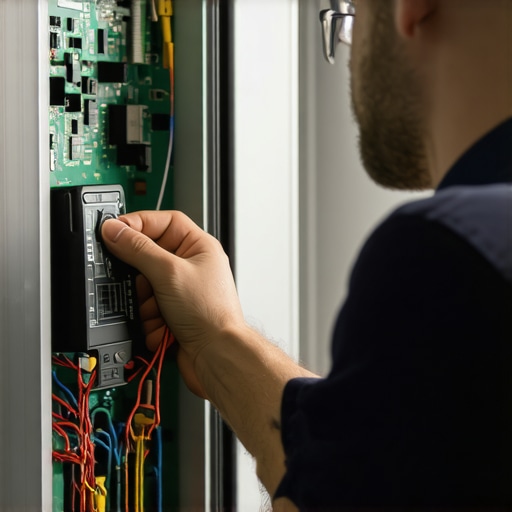
The Hardest Lesson I Learned About Smart Appliances
Initially, I believed that the newest features and fancy apps would guarantee hassle-free performance. However, I discovered that neglecting routine maintenance and security updates could lead to unexpected failures. Learning to stay proactive has been a game-changer, showing me that behind every smart device is a need for consistent care.
My Eye-Opener About Privacy and Security
I used to trust that my smart appliances were fully protected, but I soon realized the importance of customizing privacy settings and creating separate networks for IoT devices. These small steps have significantly reduced my risks, making me more confident in my connected home environment.
Biggest Misconceptions About Smart Home Tech
I once thought that firmware updates were optional, but delaying them exposed my devices to vulnerabilities. Now, I schedule regular updates and am amazed at how they enhance performance and security, reinforcing that maintenance isn’t just optional—it’s essential.
The Surprising Impact of Organized Maintenance
Decorating and upgrading my smart appliances seemed exciting, but I learned that cleaning filters, checking sensors, and staying on top of firmware versions extend their lifespan far beyond expectations. This proactive approach has saved me money and stress, proving that routine checks are investments, not chores.