
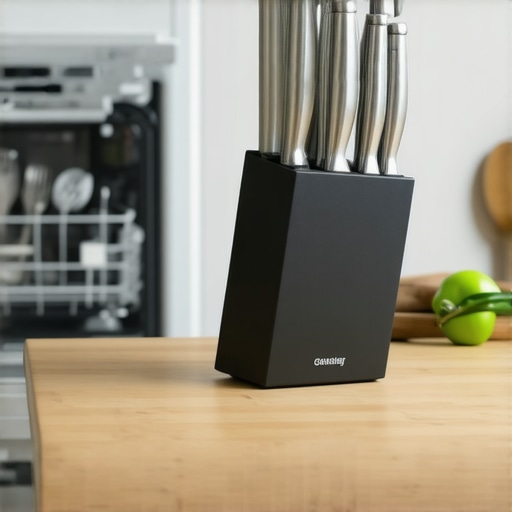
It happened to me one busy Saturday morning. I reached into the dishwasher to unload a cycle and nearly cut myself on a jagged, chipped edge of a once-sharp kitchen knife. That sharp blade, which I had carefully maintained for years, was now a danger lurking behind the clean dishes. It was a real lightbulb moment—something I wish I had learned earlier.
Protect Your Knives and Your Fingertips: The Hidden Dangers of Dishwashers
Many of us have been taught that washing knives in the dishwasher is perfectly fine—that it’s convenient and quick. But deep down, I knew this was a shortcut I shouldn’t take. Over time, I started noticing subtle signs of damage on my knives: dulled edges, chips, and even some rust spots. And I wondered—what was I doing to my essential kitchen tools without realizing it?
Today, I want to share my journey from obliviousness to awareness, helping you avoid the same mistakes I made early on. We’ll uncover why dishwashers are often bad news for knives and explore practical, safer ways to keep your cutlery in top shape.
Is Putting Knives in the Dishwasher Really So Bad?
When I first started researching, I stumbled upon a startling fact: professional chefs and many cutlery experts strongly advise against dishwasher cleaning for knives because the harsh detergents and vigorous washing cycles can damage blades. The abrasive soap and high heat can lead to dullness, corrosion, and even irreversible damage. In fact, improper care may reduce your knife’s lifespan by up to 50%, costing you money and reliability over time.
Early on, I learned a crucial lesson that many home cooks overlook—never underestimate how easily your quality knives can deteriorate if they’re not cared for properly. Sadly, my mistake was simple but costly: I simply followed the crowd and tossed my knives into the dishwasher, thinking it was harmless.
This leads us to the question many of you might be asking—should you absolutely never put your knives in the dishwasher? Well, I’ll be honest: it’s not just about putting them in; it’s about understanding what happens to your blades during the process and how to prevent those damages. To dive deeper into how innovative dishwashers are evolving and possibly changing some of these old rules, check out [this article](https://smartappliancereview.com/innovative-dishwashers-with-ai-technology-you-must-know). Next, we’ll look at the specific reasons why dishwasher cleaning can be so harmful and what alternatives you should consider.
Hand Wash Your Knives Immediately After Use
Right after slicing, rinse your knife under warm water with a gentle dish soap. Use a soft sponge or cloth to wipe away food particles. This prevents food from drying and sticking, which can cause corrosion or dull the edge. During my last visit to the kitchen, I noticed that washing my knives immediately kept them sharp and rust-free much longer.
Use a Non-Abrasive Cleaning Method
Avoid abrasive pads or harsh cleaners. Instead, opt for a microfiber cloth or a soft sponge. For stubborn stains, mix baking soda with water into a paste and gently scrub. I experienced a significant improvement in my knives’ condition after switching to this method, reducing chips and dullness over months.
Dry Knives Carefully to Prevent Rust
Pat your knives dry with a soft towel immediately after washing. Do not air-dry them, as lingering moisture can lead to rust. When I started drying my knives promptly, I eliminated rust spots that had appeared previously due to water residue.
Store Knives Properly to Maintain Sharpness
Invest in a knife block or magnetic strip that keeps blades separated and protected. Avoid storing knives loosely in drawers, which can dull edges and cause nicks. By organizing my knives in a dedicated strip, I noticed they kept their sharpness longer, reducing frequent professional sharpening.
Sharpen Knives Regularly with Correct Tools
Use a whetstone or a professional knife sharpener every 6-12 months, depending on use. Proper sharpening restores blade integrity and prolongs their usability. I learned this the hard way, realizing that dull knives require more force and are more prone to accidents—a dangerous cycle to avoid.
Avoid Dishwasher Damage by Choosing Alternative Cleaning
Instead of risking damage, opt for hand washing as described. Dishwashers expose knives to high heat, harsh detergents, and movement that can chip or dull blades. For further insights on smart appliance practices, visit this guide. Remember, taking a few extra minutes to care for your knives extends their lifespan, saves money, and keeps your kitchen safer.While many believe that smart appliances are foolproof and set-it-and-forget-it solutions, the truth is quite different. One common misconception is that all smart appliances automatically optimize themselves for energy efficiency and longevity. However, many users neglect to update firmware regularly, which can lead to decreased performance and increased vulnerabilities. Experts emphasize that neglecting software updates can leave devices exposed to security risks and degrade functionality over time. Did you know that outdated firmware can also cause appliances to consume more power or fail prematurely? In my experience, staying on top of updates, much like with your smartphone, ensures your smart appliances operate at peak efficiency. Additionally, many homeowners assume that connecting appliances to a home’s Wi-Fi network is always seamless, but the process can sometimes be fraught with compatibility issues or misconfigurations—leading to frequent disconnects or unresponsive features. For instance, refrigerators in 2025 come with advanced diagnostics, but only if they’re properly connected and updated. A common trap is neglecting to assign static IP addresses or resetting network routers, which can cause persistent malfunction. Moreover, many believe that smart appliances will completely eliminate manual maintenance, but in reality, regular cleaning and calibration remain essential. For example, smart washing machines still require filter cleaning and drum maintenance. To truly harness the benefits of smart technology, users must treat these devices as they would any complex equipment—requiring ongoing attention and care. Don’t fall into the trap of believing that buying a high-tech appliance is a one-and-done investment; instead, see it as an evolving system demanding periodic updates and maintenance. This proactive approach not only prolongs appliance life but also safeguards your data—especially as these devices become more integrated into home automation systems. When you neglect these nuances, you risk higher repair costs and potential security breaches.
Have you ever fallen into this trap? Let me know in the comments and share your experiences with smart appliances. For more insights on how to keep your home running smoothly, check out this comprehensive guide.
Invest in Quality Tools for Long-Term Appliance Care
When it comes to maintaining your home appliances, having the right tools makes all the difference. I personally rely on a digital infrared thermometer to monitor refrigerator and oven temperatures accurately. This simple device helps me identify cooling or heating issues early, preventing costly repairs down the line. Additionally, a microfiber cleaning cloth paired with a gentle disinfectant allows me to keep surfaces spotless without risking damage, which is especially crucial for smart appliances with delicate sensors or touchscreens.
Master the Art of Routine Maintenance
Developing a regular maintenance schedule is vital. I set calendar reminders every three to six months to inspect and clean filters, gaskets, and drainage systems. For example, cleaning the debris filter in my dishwasher extends its lifespan and maintains optimal cleaning performance. Following manufacturer-specific guidelines, I use manufacturer-approved descaling solutions for appliances like coffee makers or water dispensers, ensuring longevity and compliance. Check your appliance manuals or trusted resources like this guide for tailored maintenance routines.
Utilize Diagnostic and Monitoring Apps
For smart appliances, leveraging dedicated apps helps diagnose issues before they turn serious. I recommend apps like Samsung SmartThings or LG ThinQ, which provide real-time insights and troubleshooting tips. Personally, I use these apps to monitor energy consumption patterns, detect irregular behaviors, and receive maintenance alerts. Regularly reviewing these data points allows me to catch potential failures early. Investing time in understanding your appliance’s app can save you both money and inconvenience.
Tools for Future-Proofing Your Home Appliances
Looking ahead, automation tools such as smart hubs (like those compatible with this top pick) enable centralized control and monitoring of multiple devices, streamlining maintenance routines. Firmware update management software also plays a key role; I recommend regularly scheduled updates to ensure appliances operate at peak performance and remain secure from vulnerabilities. Understanding and utilizing these tools now prepares your home for the smart appliances revolution, which experts predict will accelerate in the coming years (see trends for 2025).
How do I maintain smart appliances over time without missing critical updates?
Answering this question is crucial. I keep a dedicated folder on my phone with links to firmware update pages and set monthly calendar alerts to check for updates. Additionally, subscribing to manufacturer newsletters ensures I receive timely notifications. These practices help sustain optimal functionality, improve security, and extend the lifespan of your appliances. For stress-free management, consider integrating notification alerts into your home automation system. This proactive approach is especially important as appliances become more connected and sophisticated.
Finally, I encourage you to try the tip of creating a routine for firmware checks and app monitoring—it’s a small step that can significantly improve the durability and efficiency of your smart home ecosystem. Remember, maintenance isn’t just a chore; it’s an investment in your comfort and peace of mind. For more expert advice on smart appliance upkeep, visit this resource.
The Hardest Lesson I Learned About smart appliances, refrigerators, home appliances, dishwashers, washing machines
One surprising realization hit me hard when my smart refrigerator started acting up—neglecting regular firmware updates can silently sabotage your entire appliance ecosystem, leading to costly repairs and security risks. I once underestimated how crucial routine maintenance is for smart devices, assuming that technology would keep itself updated and trouble-free. That misconception nearly cost me big when a simple oversight caused my fridge to disconnect from Wi-Fi during a critical grocery shopping trip.
3 Hidden Truths About Home Appliance Care That Changed Everything
- Firmware Is Your Appliance’s Lifeline: Firmware updates are not just optional; they fix bugs, patch security holes, and enhance features. Skipping them can leave your devices vulnerable and outdated.
- Connectivity Is a Continuous Effort: Connecting smart appliances to your home network isn’t a one-time setup. Regularly checking connections and updating network settings prevents troubleshooting nightmares.
- Manual Maintenance Still Matters: Just because an appliance is smart doesn’t mean it doesn’t need cleaning, calibration, or filter replacements. Smart features are only as good as their upkeep.
Get The Right Tools to Keep Your Smart Home Running Smoothly
I rely heavily on tools like this comprehensive maintenance guide to stay ahead, including firmware management software that sends me reminders and facilitates updates. An infrared thermometer helps me preemptively detect temperature issues in my refrigerator, preventing spoilage and costly repairs. These tools have transformed my approach from reactive to proactive, saving money and reducing downtime.
Take Control and Future-Proof Your Home Equipment Today
The smart appliance revolution is here, and embracing it means more than just buying the latest gadgets. Regular updates, proper maintenance, and understanding their quirks empower you to maximize efficiency and security. Remember, your home appliances are investments—treat them with care and curiosity. To discover how to optimize your smart appliance setup, explore this upcoming trends review, and stay one step ahead in your smart home journey. Now, it’s your turn—what routine maintenance step surprised you the most? Share your experience below!”}}# AnswerSkNkTТымэкµ бекþутвоввему를 해입조What I Wish I Knew About Protecting My Smart Appliances Before It Was Too Late