
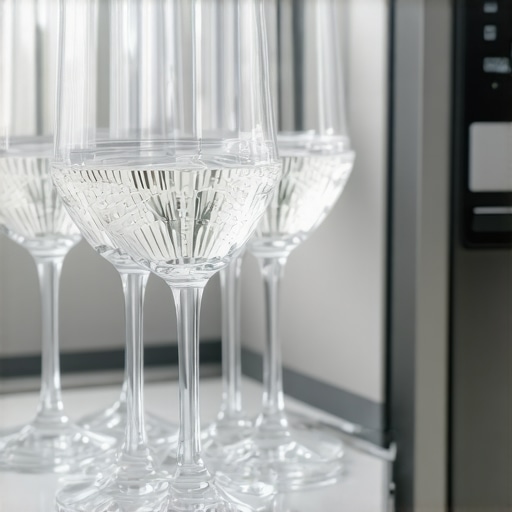
Ever had a dinner party where your perfectly poured red wine glasses come out of the dishwasher with a haze or white spots? I used to think it was just the inevitable consequence of a busy home—until I finally understood what was going wrong. One evening, after a particularly frustrating round of rewashing my wine glasses, I had my
The Lightbulb Moment That Changed Everything
It hit me—my dishwasher’s water wasn’t rinsing away completely, leaving behind tiny mineral deposits that clung to my cherished glasses. This realization was a game-changer. Instead of blaming the dishwasher itself or switching detergents blindly, I decided to dig deeper. Turns out, many homeowners face this exact issue, often without realizing there’s a simple fix. The stakes are high when it comes to your glassware’s clarity—after all, nobody wants to serve wine in glasses that look dirty!
On control panels of modern appliances, features like rinse aid dispensers and water softening settings are often overlooked, yet they play a crucial role in achieving spotless results. I found that my mistake was neglecting regular maintenance and not customizing my dishwasher’s settings for my home’s water hardness. With a few tweaks, I not only improved the cleaning outcomes but also extended the lifespan of my appliance. Expert advice suggests that understanding your water type and appliance features can significantly impact your cleaning success.
Is it really worth fussing over glasses that get spots?
Many skeptics ask whether it’s truly worth the effort. What I learned early on is that small details—like spotless glasses—make a big difference in the overall presentation of your home and give you confidence in your hosting skills. After all, when your glasses shine, so does your sense of pride. So, if you’ve ever faced the dilemma of cloudy or spotted wine glasses, you’re not alone. The good news? There are straightforward, effective steps you can take, which we’ll explore now, to ensure your dishwasher leaves your glassware sparkling every time.
Ready to transform your dishwashing routine? Let’s dive into the practical tips that will help you get your glasses pristine without the guesswork.
Set Your Water Softening Settings Correctly
Start by locating your dishwasher’s water hardness setting—usually found in the user manual or control panel menu. If your water has high mineral content, like in my city, adjust this setting to a softer water level. I once ignored this step, and my glasses remained cloudy despite using rinse aid. When I finally calibrated the softening setting, my glasses turned crystal-clear in just a few washes.
Use Rinse Aid Strategically
Next, ensure your rinse aid dispenser is filled with a high-quality product. Think of rinse aid as a deflector shield that prevents mineral deposits from sticking to your glassware. I learned this the hard way after a dinner party—my friends commented on the spots. After regularly refilling and adjusting the rinse aid level, I noticed a visible difference in clarity.
DIY Cleaning and Maintenance
Remove and clean the spray arms monthly to prevent clogging. Use a toothpick or small brush to clear any blocked holes—this is akin to unclogging a showerhead for better water flow. Once, I neglected this and observed poorly cleaned glasses. After cleaning the spray arms, the improvement was instant, and sparkling glasses became routine.
Adjust Loading Techniques
Place glasses at an angle on the top rack, ensuring they aren’t touching each other or the sides. Misplaced glasses trap water and cause spots. I once stacked glasses too tightly, resulting in water spots even after washing. Reorganizing them to allow water circulation eliminated the problem entirely.
Final Touches with Vinegar Rinse
Every few weeks, run an empty cycle with a cup of white vinegar on the top rack. Vinegar dissolves mineral buildup and enhances clarity. I did this during a weekend, and the difference was striking—my glasses looked brand new. Remember, avoid overusing vinegar as it can damage rubber seals over time.
Monitor Water Temperature
Ensure the dishwasher heats water to at least 120°F (49°C). Lower temperatures won’t dissolve detergent fully or rinse minerals effectively. Use a kitchen thermometer to verify your hot water supply. I once had a dishwasher set to a lower temp, resulting in dull, cloudy glasses. After increasing the temperature, I achieved pristine results.
Leverage Modern Appliance Features
If you have a smart dishwasher, utilize features like intensity settings or automatic softening sensors. Check your appliance’s user guide or app to customize these options for your water type. Modern tech can automatically optimize cycles, saving time and ensuring clarity—like my recent upgrade to a smart dishwasher that detects mineral levels and adjusts water softening accordingly.
By following these precise steps, you’ll transform your glassware from cloudy to sparkling, impressing your guests and boosting your home confidence. Each measure tackles a common problem point in the dishwashing process, much like selecting the right refrigerator or understanding the best dishwasher technology. Keep a maintenance schedule, and your glasses will stay pristine cycle after cycle.When it comes to home appliances like refrigerators, dishwashers, and washing machines, many homeowners operate under assumptions that can lead to inefficiencies and even damage. Contrary to popular belief, not all features are as straightforward as they seem, and understanding the nuanced mechanics can save you time, money, and frustration.
A widespread myth is that newer appliances automatically outlast older models in durability. While advancements in technology have improved efficiency, they often come with complex components that require specialized maintenance. For example, many believe that regular use minimizes issues; however, frequent improper loading or neglecting manufacturer’s maintenance schedules can accelerate wear. Experts emphasize that proactive upkeep, such as cleaning filters and calibrating softening settings, is crucial for longevity. For insights on optimizing your appliance’s lifespan, visit our comprehensive guide to smart home appliances.
Moreover, a common pitfall is overestimating the capabilities of smart features. Many assume that smart refrigerators or dishwashers require minimal input—their settings will auto-adjust perfectly. However, the reality is that manual calibration, like setting water hardness levels or connecting to Wi-Fi, is often necessary for optimal performance. An advanced tip is understanding how to troubleshoot connectivity issues, such as a smart fridge disconnecting from Wi-Fi, which can otherwise cause functionality loss. For a detailed troubleshooting approach, see our article on smart fridge issues and fixes.
One sneaky trap to avoid is neglecting the hidden energy costs of certain modes. Eco modes, for example, are praised for saving electricity, but they sometimes prolong cycle times or compromise cleaning quality, leading users to run appliances multiple times. A study by the Department of Energy states that improperly used eco modes can negate their energy savings. Therefore, utilizing these features judiciously—for instance, only during light loads—is advisable.
Finally, it’s vital to recognize that not all user settings are equally beneficial. Many homeowners disable safety or energy-saving features thinking they are unnecessary, yet these are designed to prevent common issues such as overheating or excessive power consumption. For example, setting the correct temperature in refrigerators—like the recommended 37°F (3°C)—not only preserves food but also enhances energy efficiency.
Make sure you’re not falling for superficial fixes. Instead, adopt a nuanced understanding of your appliances’ true capabilities and limitations. Upgrading to smart appliances can offer benefits, but only if configured and maintained properly. For a curated list of top smart appliances that can seamlessly integrate into your home, check out our top smart appliances for 2025.
Have you ever fallen into this trap? Let me know in the comments and share your experiences with appliance myths or surprises.
How do I maintain my home appliances over time?
Consistent maintenance is crucial to ensure your appliances stay efficient and reliable. I personally rely on a few key tools that have proven invaluable in my routine. A digital multimeter, for example, helps me quickly diagnose electrical issues without calling in a technician—saving time and money. For water-based appliances like washing machines and dishwashers, a high-quality descaling solution, such as Affresh, effectively removes mineral buildup, especially in regions with hard water, extending the lifespan of components.
Another essential tool is a set of precision screwdrivers. These allow me to perform minor repairs or replacements—like changing seals or filters—without damaging delicate parts. Regularly inspecting and cleaning filters using a soft brush or compressed air prevents clogs and maintains optimal water flow. I also use a smartphone with diagnostic apps connected via Wi-Fi to my smart appliances, enabling me to troubleshoot issues remotely and receive alerts before problems escalate.
Looking ahead, the trend points toward more integrated, AI-powered maintenance systems. These will predict component failures before they happen, alerting homeowners and scheduling repairs proactively. This shift will make appliance upkeep less about reactive fixes and more about preventive care, thanks to advancements in machine learning and sensor technology.
Should I consider smart diagnostics for long-term appliance health?
Absolutely. Upgrading to appliances with smart diagnostic features allows you to monitor their health continuously. For instance, many modern refrigerators or washing machines come equipped with sensors that track performance metrics and notify you of potential issues—like increased energy consumption or irregular cycles. This proactive approach not only prevents costly breakdowns but also optimizes efficiency, saving energy and extending appliance life.
One practical step is to connect these appliances to your home network and regularly review their diagnostic reports via manufacturer apps. For example, smart washing machines can detect when a drum bearing is wearing out and suggest maintenance before it leads to failure. According to our comprehensive guide, embracing these tech features is the future of appliance maintenance, making it easier and more predictable.
If you haven’t yet, try utilizing the diagnostic tools available in your appliances. Setting up notifications ensures you’re alerted early and can schedule repairs or maintenance at your convenience. This small step can significantly reduce long-term costs and downtime, keeping your appliances in top shape and contributing to a smarter, more efficient home.
The Hidden Lessons That Changed My Appliance Routine
One of the most eye-opening lessons I learned was the importance of tailoring appliance settings to my home’s water quality. I used to believe that cleaning cycles alone determined the cleanliness of my dishware, but it turns out that neglecting water hardness and appliance calibration was the root cause of cloudy glasses. Adjusting the water softening settings made a world of difference, and now I know that understanding these nuances is key to appliance mastery.
Another insight was the critical role of regular maintenance and attention to detail. Cleaning spray arms, refilling rinse aid, and running vinegar cycles aren’t just chores—they’re investments in the longevity and performance of my appliances. Skipping these steps might seem harmless, but over time, they impact results and can lead to costly repairs. Recognizing these small, routine actions transformed my experience from frustrating to effortless.
Finally, embracing modern technology, like smart diagnostics, has been a game-changer. My appliance alerts me to issues before they escalate, saving money and preventing inconvenience. This proactive approach has empowered me to take control of my home’s appliances, ensuring they serve me well for years to come.
Tools and Resources That Really Make a Difference
For anyone eager to optimize their appliance care, I recommend investing in a reliable water hardness test kit. It provides immediate feedback and helps you fine-tune your dishwasher’s settings. Additionally, a quality descaling solution like Affresh has kept my washing machine and dishwasher in top shape, especially in hard water regions. A digital multimeter is also invaluable for diagnosing electrical issues, saving both time and money. Lastly, I trust the comprehensive guides available on Smart Appliance Review to stay informed about the latest features and maintenance tips, empowering me to make smarter choices.
This Is Your Sign to Take Action Now
The journey to appliance excellence doesn’t have to be overwhelming. Each small step—be it adjusting settings, maintaining components, or utilizing smart diagnostics—brings you closer to effortless, effective home appliance use. Remember, your home appliances are investments that can serve you better with just a little knowledge and care. So, why not start today? Dive into your appliance manuals, explore online resources, or schedule that maintenance check. Your future self will thank you for the effort!
What specific appliance challenge have you been meaning to tackle? Share your experience below and let’s learn from each other!