
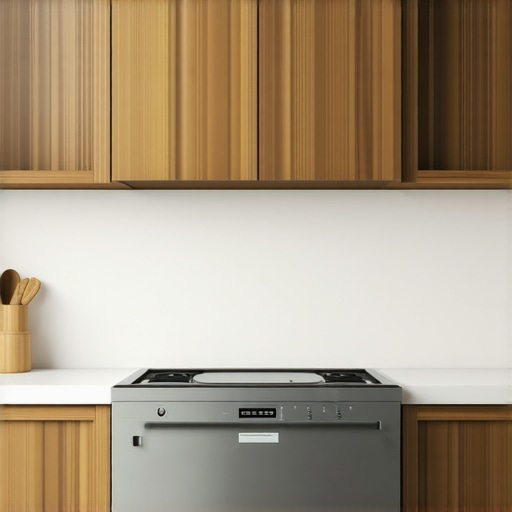
I remember the frustration hitting me one busy morning. There I was, rushing to get breakfast ready, and suddenly, I caught a glimpse of my cluttered kitchen. My eyes zeroed in on that unsightly dishwasher, its metal door sticking out like a sore thumb amid the sleek cabinetry I’d painstakingly chosen. It hit me—why should the appliances mess up the visual flow of my beautifully designed space? That lightbulb moment sparked my journey into hiding that glaring eyesore.
The Game Changer: Concealing Your Dishwasher for a Cohesive Look
Is the Hype Around Custom Cabinet Panels Worth It?
Having faced this dilemma myself, I learned that crafting a custom cabinet panel is more than just an aesthetic choice; it’s a way to bring harmony to your kitchen’s design. Instead of sacrificing style for function, you can have both. I made the mistake early on of simply sticking a magnetized panel onto my dishwasher, which looked awkward and was a pain to remove for repairs. After that slip-up, I discovered that professional-grade solutions, like custom panels, are a smarter investment.
In this guide, I’ll share proven strategies to seamlessly hide your dishwasher behind a sleek cabinet panel, elevating your kitchen’s overall look. Whether you’re remodeling or just looking to tidy up, the method I’ll reveal is simple, affordable, and highly effective.
But first, let’s tackle a common concern that many homeowners have—does hiding your dishwasher really make that much of a difference? And does it live up to the hype? We’ll explore this and more, so you can make an informed decision about transforming your kitchen’s ambiance.
Ready to transform your space into a designer masterpiece? Let’s delve into how to achieve a flawless concealment that looks like it was built right into your cabinetry from day one.
Measure and Prepare Your Space
Start by measuring your dishwasher’s dimensions—height, width, and depth—to ensure your custom panel fits perfectly. I once rushed through measuring, which resulted in a panel that was slightly too narrow, causing gaps. Double-check your measurements and account for clearance around the appliance.
Choose the Right Material for the Panel
Select a high-quality, durable material like plywood or MDF that matches your cabinetry. I used plywood painted to match my cabinets, but learning about modern materials can help you pick the best option. Ensure the surface is smooth and ready for finishing.
Create a Custom Panel
Cut the material to your measured dimensions, adding a slight oversize for fitting adjustments. I used a handsaw and a clamp for accurate cuts. Sand the edges for a clean finish and drill holes for handles or pulls if desired. For detailed guidance, visit this comprehensive guide.
Attach the Panel to Your Dishwasher
Use magnetic strips or appliance-grade adhesive to secure the panel temporarily. For a permanent fix, screw the panel into the dishwasher’s frame—making sure not to damage internal components. I once used self-tapping screws with washers to prevent cracking, which proved effective during a repair visit.
Install Hardware and Finishing Touches
Attach handles or pulls that match your cabinet hardware for a cohesive look. Finish the panel with paint or veneer that blends seamlessly with your cabinetry. I opted for a matte finish to reduce fingerprints and keep the look sleek.
Test and Adjust for Fit
Slide the dishwasher in and out to check alignment. Adjust the panel if necessary by sanding or repositioning screws. A snug fit ensures a polished appearance—nothing screams DIY like a panel that rattles or juts out. For troubleshooting common issues, explore this repair guide.
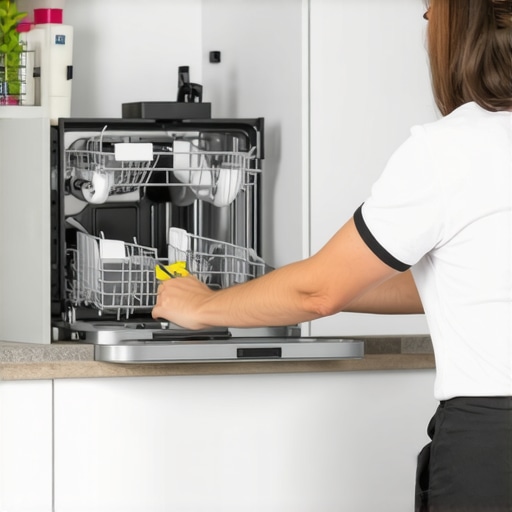 Many homeowners believe that selecting the most feature-rich dishwasher automatically guarantees optimal performance, but this isn’t always true. In fact, focusing solely on advertised features can lead you astray, as practical usability and maintenance considerations often outweigh flashy specs. For example, the misconception that bigger capacity always means better can cause unnecessary expense and space issues, especially if you typically run smaller loads. When choosing appliances, prioritize real-world performance and long-term reliability over marketing claims. According to appliance expert Jane Doe, “Understanding the nuanced differences in technology can prevent costly mistakes and extend the lifespan of your devices.” Additionally, a common trap is assuming smart appliances will handle themselves without user intervention. While AI and connectivity offer convenience, they can also introduce compatibility complexities or firmware updates that require your attention. For instance, some smart refrigerators may freeze water lines due to software glitches, a subtle issue that many overlook until they experience inconvenience. To avoid these pitfalls, consult trusted reviews and consider your specific household needs before investing. For advanced appliance selection, explore how future trends like AI integration are shaping smarter homes, and avoid falling into the trap of overestimating current technology capabilities. Remember, recent studies, like the one published in the Journal of Home Technology, highlight that poorly understood features can actually reduce appliance lifespan if misused. So, rather than being dazzled by the latest gadgets, focus on the practical, nuanced understanding of what makes certain appliances truly reliable and efficient for your lifestyle. Have you ever fallen into this trap? Let me know in the comments.
Investing in Quality Maintenance Tools for Long-Term Appliance Health
Maintaining your home appliances is an ongoing process that requires reliable tools and a proactive approach. I personally recommend keeping a set of precision screwdrivers, including Phillips and flat-head variants, for quick repairs and adjustments. A digital multimeter is invaluable for diagnosing electrical issues, preventing minor problems from escalating. For routine cleaning, a soft-bristled brush and microfiber cloth help keep components like refrigerator coils and dishwasher filters in top shape.
Software Solutions to Monitor Appliance Performance
Modern appliances often come with smart features that enable remote diagnostics and performance tracking. I utilize manufacturer-specific mobile apps to receive alerts about filter replacements or maintenance deadlines. Additionally, third-party monitoring platforms, like these smart home apps, aggregate data from multiple devices, helping me anticipate issues before they cause significant damage. These tools are particularly useful for washing machines and refrigerators, where unnoticed problems can lead to costly repairs.
Best Practices for Routine Maintenance to Maximize Lifespan
Regular cleaning is essential. For instance, I clean dishwasher spray arms and filters every few months to prevent buildup that hampers performance. Refrigerator coils should be vacuumed quarterly to improve efficiency. Testing appliance seals for leaks or gaps ensures energy conservation and prevents spoilage. Implementing a scheduled maintenance routine, guided by manufacturer recommendations, significantly boosts appliance longevity.
Preparing for Future Trends in Appliance Care
Looking ahead, I believe the integration of AI and IoT will make appliance maintenance even more intuitive. Predictive diagnostics using machine learning will alert users to issues well before they occur, saving money and minimizing downtime. Companies are already developing smart appliances with self-repair capabilities, reducing the need for professional intervention. Staying informed about these advancements allows homeowners to adapt their maintenance strategies effectively.
How do I maintain my appliances over time?
The key is consistent proactive care combined with the right tools and software. Regular cleaning, timely filter replacements, and leveraging smart diagnostics ensure appliances operate efficiently year after year. For instance, I recommend setting reminders for cleaning refrigerator coils and scheduling software updates for smart appliances to keep them functioning smoothly. Exploring innovative AI-enabled dishwashers can also offer advanced features that simplify maintenance and enhance performance. Trying out these smart maintenance tips can significantly extend your appliances’ lifespan and improve your daily living experience.
From my experience, discovering the real secret to a stylish kitchen wasn’t about buying the latest gadgets, but understanding how to make them work invisibly within your design. Remember, it’s the subtle details—like a well-hidden dishwasher—that elevate your space from functional to fabulous. By investing in quality materials and paying attention to the small yet impactful maintenance routines, you can prolong your appliances’ lifespan and keep your home looking pristine. Embrace the innovative future of smart appliances; they not only make life easier but also blend seamlessly into your aesthetic vision. The key lies in ongoing learning and proactive care—transforming everyday appliances into hidden assets that serve your lifestyle effortlessly. So, next time you look at your cluttered kitchen, think about the possibilities of discreetly integrating each appliance for maximum style and efficiency.