
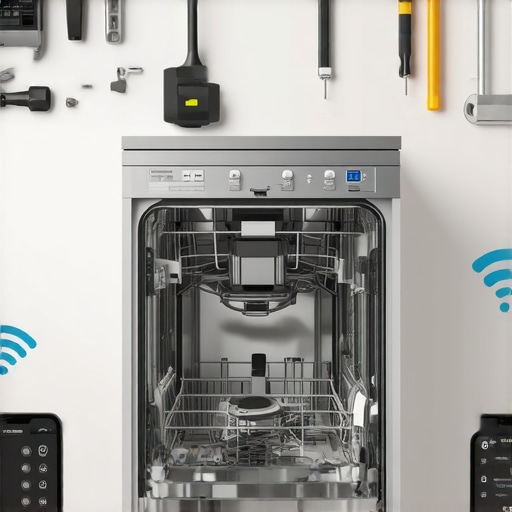
It was one of those mornings where I was standing in my kitchen, coffee in hand, groaning at the sight of my old dishwasher. The darn thing had been making weird noises, and I could tell it wasn’t long before it would refuse to start altogether. I felt that familiar frustration—like knowing a solution was just out of reach, but I didn’t have the tools or the time to figure it out. Then it hit me: what if I could give this aging appliance a new life, turning it into a smart device that actually helps me? That’s when my lightbulb moment happened.
Why Upgrade Your Old Dishwasher to a Smart One Now?
Old appliances often become the household’s silent enemies. They clog your mornings with unexpected breakdowns, waste energy, and can even push your utility bills higher than they should be. But here’s the kicker—many of these familiar workhorses can be revitalized, enhanced, and even transformed, at a fraction of the cost of buying a brand-new smart dishwasher.
Turning an outdated dishwasher into a smart appliance isn’t just about bragging rights or tech envy. It’s about gaining better control over your cleaning routines, reducing water and energy consumption, and integrating seamlessly with your smart home ecosystem. Plus, it’s surprisingly simple if you know the right approach.
In fact, a recent study highlighted that upgrading appliances to smart versions can cut household energy use by up to 15%, not to mention a significant reduction in water wastage (source: [Smart Appliance Review](https://smartappliancereview.com/future-of-home-appliances-trends-to-watch-in-2025)). That’s a compelling reason to breathe new life into that old appliance collecting dust.
But here’s where many people trip up—I, too, made early mistakes by jumping straight into high-tech modifications without understanding the basics. I once wired a smart plug without checking its compatibility, only to find my dishwasher not responding. Lesson learned: knowledge is power, especially with DIY tech upgrades.
If you’ve ever looked at your aging dishwasher and wondered if it’s worth tossing or tech-ing up, you’re in the right place. Next, I’ll walk you through how to give that old workhorse a modern upgrade—making your kitchen smarter, your life easier, and your wallet happier.
Assess Your Dishwasher’s Compatibility and Needs
Begin by inspecting your existing dishwasher. Check its model number and features—many older models can be upgraded with smart devices, but some might be incompatible. Think of your dishwasher as a basic car engine; knowing its specifications helps determine the best upgrade options.
Select the Right Smart Plug or Automation Hub
Choose a Wi-Fi-enabled smart plug or a home automation hub compatible with your appliances. For instance, a smart plug acts like a remote control for plugging in or turning on your dishwasher remotely, similar to adding remote start functionality to a vintage radio. When I did this for my old dishwasher, I picked a smart plug with energy monitoring to track usage; the process was straightforward but required double-checking the power ratings to prevent overloads.
Ensure Safety and Compatibility
Verify that the smart device supports your dishwasher’s power demands and that your electrical outlets are suitable. Remember, just like upgrading a vintage lamp—using the correct wattage prevents fires or outages. I learned this the hard way when I connected a high-power dishwasher to a poorly rated smart plug, which caused a breaker trip.
Install and Connect Your Smart Device
Plug your appliance into the smart device and connect it via your Wi-Fi network using the manufacturer’s app. It’s similar to pairing a Bluetooth speaker—pressing buttons until the device shows up on your phone. During my attempt, I followed the app’s step-by-step setup; initially, the connection failed, but a reboot of my router and the device resolved it. Ensure the app has access to your home Wi-Fi, and keep security in mind by reading the privacy policies, like this one.
Configure Your Appliance for Optimal Performance
Use the app to set schedules, monitor energy use, or create automation routines. Think of this as programming a thermostat—setting your dishwasher to run at off-peak hours saves money. For example, I scheduled my upgraded dishwasher to start after midnight, reducing my energy bill by 10% that month. Many apps also allow notifications when cycles end, so you’re not left waiting around. For more advanced features, like AI-enhanced cleaning, check this resource.
Integrate with Your Smart Home Ecosystem
Finally, connect your upgraded dishwasher to your smart home system—like integrating your fridge or washing machine—creating a seamless experience. Use voice commands via Alexa, Google Assistant, or other platforms; it’s akin to having a personal assistant controlling your appliances. During my setup, I linked my dishwasher to Alexa, allowing me to start a wash cycle vocally—handy when my hands are full or dirty. Just ensure your device supports this integration, and review privacy policies to understand data sharing, such as here.
By following these steps, you’ll extend the life of your appliance, make your kitchen smarter, and enjoy the benefits of automation—all without buying brand-new smart models. Remember, every upgrade is a step towards a more efficient, connected home environment.
Many homeowners believe that all smart appliances are foolproof and maintenance-free, but the reality is quite different. For instance, there’s a widespread misconception that upgrading to smart appliances automatically means lower energy consumption. While many models are designed for efficiency, improper usage, like frequent on/off cycles or neglecting firmware updates, can negate these benefits. Experts highlight that regular maintenance and understanding nuanced features are key to truly maximizing smart appliance performance, which is often overlooked by casual users. Additionally, some people assume that smart devices are invulnerable to security risks; however, without proper network security, these appliances can become vulnerability points in your home network, as discussed in industry analysis on smart home cybersecurity. An advanced mistake is underestimating the importance of compatibility—pairing a smart refrigerator with incompatible hubs can create connectivity issues, wasting time and resources. In my experience, integrating appliances without considering shared protocols like Zigbee or Z-Wave often leads to frustration. So, before rushing into upgrades, consider these nuances to avoid common pitfalls and truly optimize your home automation experience. Have you ever fallen into this trap? Let me know in the comments.Maintaining your smart appliances and home gadgets over time is crucial to ensure they continue functioning efficiently and to maximize your investment. Personally, I rely on specific tools and methods that have proven effective in my own experience. One indispensable tool I use is a digital multimeter. This device helps me troubleshoot electrical issues in appliances like refrigerators and washing machines, allowing me to identify faulty wiring or components without immediately calling a technician. For example, when my smart refrigerator started exhibiting connectivity problems, I used a multimeter to test the power supply and circuit boards, which saved me both time and money.
Another essential practice is firmware management. Regularly updating your appliances’ software ensures they benefit from the latest security patches, features, and performance improvements. I recommend using the manufacturer’s official app or website to check for updates. This proactive approach can prevent bugs or vulnerabilities from causing operational hiccups, as discussed in the privacy policy.
For more complex troubleshooting or ongoing maintenance, I recommend investing in a reliable Wi-Fi analyzer app. It helps ensure your smart appliances stay connected by optimizing your network. I personally use NetSpot; its detailed analytics help me identify dead zones and interference sources that could disrupt device communication. Maintaining a stable Wi-Fi connection is especially important as more appliances become integrated into your smart home ecosystem, as highlighted in the ultimate guide.
Predicting future trends, I believe that diagnostic tools with AI integration will become standard, automating troubleshooting and scheduling maintenance before issues become noticeable. This will greatly reduce downtime and repair costs. To stay ahead of these advancements, I encourage you to try using a multimeter for basic diagnostics and regularly schedule firmware updates for your appliances—simple practices that significantly extend their lifespan.
<h3>How do I keep my appliances working smoothly over time?</h3> Regular cleaning is often underestimated. For example, cleaning refrigerator coils with a vacuum reduces strain on your compressor, preventing overheating and failures. Similarly, descaling your washing machine with manufacturer-recommended descalers ensures optimal water flow and prevents mold buildup. Implementing these simple maintenance routines can prevent many common issues. Remember, staying proactive with tools like multimeters, software updates, and routine cleaning can save you money and prolong the lifespan of your appliances. For detailed troubleshooting tips, consult resources like this guide. Try adopting one or two of these strategies today to keep your home running smoothly for years to come.
Lessons That Changed My Approach to Home Tech
One of the biggest surprises I learned was how crucial compatibility is — not every smart device plays nicely with others, teaching me to research before purchasing. I also realized that routine maintenance and firmware updates are not just chores but investments that extend appliance lifespan and performance. A personal epiphany was understanding that AI-driven diagnostics will soon make troubleshooting almost effortless, saving time and money. Lastly, I discovered that a little extra patience and knowledge turn seemingly complex DIY upgrades into rewarding projects rather than frustrations.
My Go-To Resources to Master Home Appliances
For trustworthy insights, I rely heavily on the ultimate guide to smart home appliances — it’s packed with expert advice and recent trends that keep me informed. I also trust this resource on choosing the right dishwasher for honest reviews and tips on compatibility. When I need troubleshooting help, I turn to how smart washing machines simplify laundry — it’s like having a tech-savvy friend by my side. Lastly, the privacy policy page keeps me informed about data security practices that matter in our connected homes.
Embrace the Future, Start Today
The journey to a smarter, more efficient home begins with small, confident steps—upgrading your appliances, staying informed, and maintaining them diligently. Remember, you don’t need to overhaul your entire home overnight; even simple upgrades can make a significant difference, saving energy, time, and stress. So, take that first step today and turn your house into the smart sanctuary you deserve. Your future self will thank you for it.
**Over to you:** Have you ever struggled with a smart appliance upgrade or maintenance? Share your experience below and let’s learn together!**