
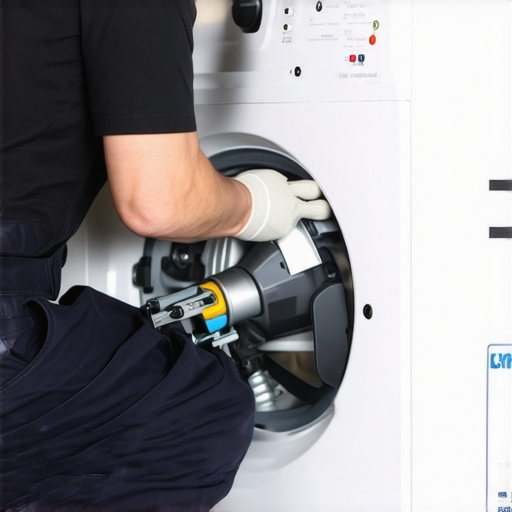
Ever had that sinking feeling when your washing machine refuses to spin, leaving your freshly washed clothes dripping and heavy? I remember one weekend vividly. I was all set to relax after a long week, only to discover my laundry pile growing, thanks to a blocking, silent washing machine. It was frustrating, almost like my trusty appliance decided to take an unscheduled vacation.
That moment was my lightbulb moment. I realized I wasn’t alone—that many homeowners face the same issue. The good news is, fixing a washer that won’t spin isn’t always about calling in a professional; often, it’s something straightforward we can tackle ourselves. Today, I want to share what I’ve learned through trial, error, and plenty of online research. If you’ve ever wondered why your washing machine stalls at spin, or how to get it moving again, you’re in the right place.
Why Your Washing Machine Might Not Spin and Why It Matters
A washing machine that refuses to spin isn’t just an inconvenience—it’s a sign something’s amiss in your appliance. When your machine stalls, it can be caused by anything from clogged filters, unbalanced loads, to more serious electrical issues. According to appliance repair experts, unresolved spin problems can lead to further damage and even costly replacements down the line. That’s why tackling this problem promptly is essential.
I made the mistake early on of ignoring the issue, assuming it was a one-time glitch. That turned out to be a rookie error. Ignoring your washer’s signals can often lead to bigger problems. Modern appliances, especially
Check the Load Balance Like a Pro
Unevenly distributed laundry is a common culprit behind a stubborn spin cycle. I once had a pile of towels and a couple of jeans tossed in randomly, causing the washer to stall. To fix this, pause the machine, redistribute the clothes evenly around the drum, and restart the cycle. Think of it as balancing weights on a scale; when unbalanced, the machine vibrates or stalls.
Inspect and Clean the Lid Switch
The lid switch acts like a gatekeeper, ensuring the lid is securely closed before spinning. If faulty, the washer believes the lid is open and won’t spin. To test this, press the switch manually—if it doesn’t click or seems damaged, replace it. In my case, cleaning the switch with a bit of contact cleaner restored its function, and the washer resumed spinning smoothly. This component is similar to a smart lock on appliances, ensuring safety and proper operation.
Examine the Drive Belt for Wear
The drive belt connects the motor to the drum, much like a belt on a bicycle transmits pedaling power. If it’s cracked or loose, spinning won’t occur. To check, unplug the machine, remove the rear panel, and look for signs of wear or slack on the belt. Replacing a worn belt is straightforward—just remove the old one and install a new, properly tensioned belt. This maintenance task is akin to upgrading a component in your smart appliance to restore optimal function.
Test the Motor Coupling or Clutch
The motor coupling acts as a buffer, transmitting power from the motor to the transmission. If it’s broken, the washer won’t spin. To test, access the coupling—usually at the bottom front—and examine it for cracks or damage. If damaged, replace it using a wrench, following the manufacturer’s instructions. Think of this like updating software—sometimes hardware parts need a quick swap to keep everything running smoothly.
Reset or Replace the Control Board
Digital control boards manage the washer’s functions, kind of like the brain of a smart appliance. If software glitches occur, a simple reset might fix the problem. To do this, unplug the machine for a few minutes, then plug it back in and run a test cycle. If the issue persists, the control board might be faulty and require replacement. Consider this as updating firmware for your appliances to fix bugs and improve performance.
Utilize Online Resources to Troubleshoot
If you’re still stuck, consulting dedicated repair guides or manufacturer manuals can provide specific insights. For example, detailed tutorials often include visual aids, making complex diagnostics manageable. I once watched a repair video that showed how to replace a faulty lid switch—saving me hours of guesswork and money on a technician. For further tips on appliance troubleshooting, explore resources like expert advice for water-saving washers or ultimate smart appliance guide.
Many homeowners assume that smart appliances like refrigerators and washing machines automatically eliminate traditional troubleshooting challenges, but in reality, there’s a subtle nuance that often gets overlooked. One widespread misconception is that newer, more connected devices don’t require regular maintenance or awareness of their advanced features. For instance, many people believe that a smart fridge will always notify them of a component failure, yet this isn’t always the case; understanding how to interpret and respond to these alerts is crucial for avoiding unexpected breakdowns. Additionally, some assume that all smart appliances are fully secure against cyber threats, but experts warn that inadequate network security can expose your device and data to risks. According to a report by cybersecurity firm Symantec, household IoT devices are increasingly targeted by hackers due to often lax security settings, emphasizing the importance of knowing how to properly configure your devices and update their firmware regularly. This advanced awareness helps prevent vulnerabilities and ensures your appliances operate smoothly over the long term. Moreover, many users neglect to realize that integrating multiple smart devices requires a cohesive ecosystem; incompatible systems can lead to inconsistent performance or even reduce your home’s overall smart functionality. So, while these devices promise convenience, their true potential depends on informed usage and proper maintenance—steps that go beyond simply installing an app. For example, one common mistake is neglecting to change default passwords or ignoring firmware updates, which can leave devices susceptible to hacking. To maximize your smart home’s efficiency and security, it’s wise to consult expert resources, such as the ultimate guide to smart home appliances, and stay informed about emerging trends that may impact your devices’ performance and safety. Remember, being proactive and educated about these nuances can save you time, money, and peace of mind. Have you ever fallen into this trap? Let me know in the comments.
Once you’ve tackled immediate repair needs, maintaining your smart appliances becomes essential to ensure they serve you reliably for years to come. One vital aspect is choosing the right tools and methods for routine upkeep that are both effective and user-friendly. I personally swear by digital diagnostic tools like the OBDeleven scanner, not just for cars but adapted for interpretive diagnostics in smart appliances through manufacturer apps and firmware updates. These tools help detect anomalies early, such as corrupted software or firmware glitches, preventing costly breakdowns down the line.
Invest in Proper Maintenance Equipment
High-quality cleaning and calibration accessories are game-changers in home appliance longevity. For refrigerators, a microfiber cloth combined with a soft brush, like the OXO Good Grips brush, allows gentle yet thorough cleaning of air vents and condenser coils, which often go unnoticed. For washing machines, I recommend a maintenance kit with descaling agents and gasket cleaners. Regularly running descaling routines with this kit keeps water flow optimal and prevents mold buildup that can cause incomplete cycles.
Leverage Firmware and Software Updates
Modern appliances are becoming increasingly software-dependent. Keeping firmware current is crucial—think of it as updating your smartphone’s OS for improved security and features. I regularly check the manufacturer websites and app notifications for updates, ensuring my refrigerator and washer operate with the latest improvements. This proactive approach significantly reduces the probability of glitches or vulnerabilities. According to industry experts, firmware updates often include optimizations for energy efficiency and new functionalities that enhance long-term user experience.
Set a Routine Maintenance Schedule
Establishing a calendar for regular checks—like cleaning filters every three months or inspecting door seals and hoses monthly—keeps everything running smoothly. Use reminders on your phone or smart home assistants like Alexa to prompt you. For example, I set a monthly alert to run a cleaning cycle on my smart dishwasher, which helps prevent residue buildup and maintains cleaning efficacy. This habit not only prolongs appliance life but also saves money on repairs.
Predict Where Trends Are Going
As technology evolves, so will maintenance tools. Remote diagnostics and AI-driven monitoring will become standard, enabling appliances to alert you of issues before they occur. I believe the future points toward apps that automatically schedule maintenance, order replacement parts, and perform self-diagnostics—layering convenience with reliability.
How do I maintain my appliances over time?
Developing a personalized routine that includes regular cleaning, firmware updates, and using diagnostic tools is key. For instance, setting a quarterly schedule for descaling your washer and checking for firmware updates ensures you stay ahead of potential failures. Don’t forget to explore advanced tips like using firmware diagnostic apps, which can often be found recommended in industry reports or by manufacturer support. Try setting up reminders for these tasks and consider investing in tools like smart diagnostic kits—your appliances will thank you for it.

The Hardest Lesson I Learned About Smart Appliances
Initially, I believed that buying the latest smart refrigerator or washing machine meant I could rely entirely on auto-maintenance features. It wasn’t until I experienced recurring issues that I realized technology isn’t infallible. Regular manual checks and proactive maintenance are still essential, even with the most advanced devices.
Why Assuming New Means Perfect Can Cost You
One mistake I made was thinking new appliances are maintenance-free. This false confidence led to neglecting firmware updates and routine checkups, ultimately causing more significant problems down the line. Embracing a maintenance mindset, regardless of device age, is crucial for longevity.
The Value of Connecting With the Community
Turning to online forums and expert communities unveiled solutions I wouldn’t find in user manuals. Sharing experiences with fellow enthusiasts provided practical tips and prevented costly repairs. Building a network of informed owners transforms frustration into empowerment.
My Unexpected Revelation about Security
I discovered that neglecting basic digital security—like changing default passwords—exposes smart appliances to vulnerabilities. Educating myself about cybersecurity best practices became an indispensable step in safeguarding my connected home.
The Best Resources to Elevate Your Smart Home Game
- Manufacturer’s Support Websites: They offer firmware updates, troubleshooting guides, and confidential tips I trust, ensuring my appliances run smoothly. Regularly visiting these sites is like having a direct line to official experts.
- Industry Trend Reports: Reports like those found on Smart Appliance Reviews provide insights into upcoming features, helping me plan upgrades and stay ahead.
- Community Forums: Platforms such as Reddit’s r/HomeAutomation connect me with knowledgeable owners who share real-world fixes and innovations, turning troubleshooting into a shared experience.
- Specialized Diagnostic Tools: Tools like smart diagnostic kits have revolutionized how I detect and fix issues early, saving time and money while extending appliance life.
Your Next Step Toward Smarter Home Maintenance
Remember, ongoing education and community engagement are the keys to mastering your appliances. The more you learn, the more confident you’ll feel to handle surprises and optimize your smart home experience. Don’t hesitate—start today, and see how smarter maintenance can make a real difference in your daily life.