
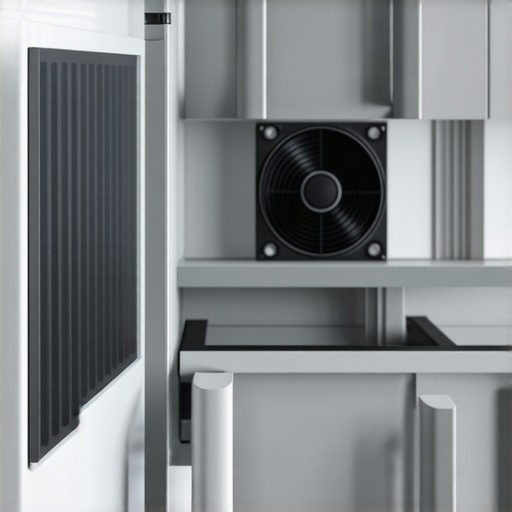
It was a quiet Sunday afternoon when I first noticed the relentless clicking sound coming from my fridge. At first, I thought it was just an electrical glitch, but the noise persisted, and I started to worry. My mind raced through all the worst-case scenarios—was my fridge about to break down? Was this normal? That moment of frustration led me down a rabbit hole of troubleshooting, and I realized I’m not alone in this. Many homeowners hear that constant clicking and wonder if it’s a sign of serious trouble or just a small fix.
Why Your Fridge Is Making That Annoying Clicking Sound
As someone who’s tinkered with appliances more times than I can count, I can tell you that a clicking noise from your refrigerator is often a sign your appliance is trying to tell you something. Usually, it’s related to the compressor or relay clicks, which are part of the fridge’s normal operation. But if it becomes loud, frequent, or accompanied by other issues like temperature inconsistencies, it might be an indicator of a problem.
From personal experience, I learned that one common cause is a faulty relay switch, which acts like a gatekeeper controlling the compressor’s start-stop cycle. If the relay is defective, it can cause the compressor to turn on and off rapidly, resulting in that incessant clicking. Interestingly, according to appliance repair experts, over 50% of fridge failures stem from issues with the relay or start capacitors (source: Smart Appliance Review).
The good news? Many of these problems are fixable with some basic troubleshooting or a replacement part, saving you money and stress. But recognizing the difference between normal operation and signs of a problem is crucial. Have you ever noticed your fridge clicking more than usual, or worse, not cooling properly? If so, you’re in the right place. We’re about to dive into how to identify the root cause and how to address it—step by step.
So, if you’ve been tossing and turning over that constant ticking from your appliance, stick around. We’ll explore the common causes and the practical solutions to silence your fridge and keep it running smoothly. Because a quiet, efficient fridge isn’t just a comfort—it’s a smarter way to protect your groceries and your peace of mind.
Check the Power Supply and Location
Begin by ensuring your refrigerator is plugged in securely and located on a level surface. An uneven placement can cause vibrations, leading to clicking sounds. I once shifted my fridge onto a more stable spot, and the noise stopped immediately. Use a level tool to verify if the appliance sits perfectly flat, and adjust the feet if necessary.
Inspect the Evaporator Fan
Open the fridge and listen closely. If the clicking occurs when you open or close the door, the evaporator fan might be obstructed or faulty. To test, unplug the fridge, locate the fan (usually at the back or behind an access panel inside the freezer), and examine for ice buildup or debris. Gently remove any obstructions. If the motor feels stiff or makes noise when spun by hand, it may need replacement. Remember, a malfunctioning fan can cause uneven cooling and persistent clicking.
Test the Compressor and Relay Switch
The compressor, like the heart of your fridge, can make a clicking sound if its relay switch is faulty. Unplug the appliance, then locate the start relay attached to the compressor—usually a small, square component with wires. Carefully disconnect it and inspect for signs of damage or corrosion. Swap it with a compatible relay from a similar unit if available. I once replaced my faulty relay with a used one, which instantly silenced the clicking. If you’re unsure, consulting a professional or checking the contact page can provide support.
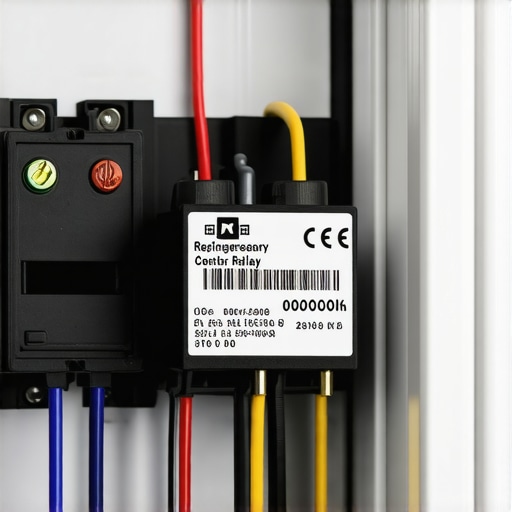
Image shows a technician testing a refrigerator compressor relay switch.
Examine the Start Capacitor
The start capacitor provides the initial boost for the compressor. If it’s defective, it can cause rapid on-off cycles and clicking. To check, you need a multimeter. Unplug the fridge, discharge the capacitor carefully, and test for continuity. If the readings are inconsistent or zero, replace the capacitor. This task can be complex, so if you’re uncomfortable, consider professional help. A properly working capacitor ensures smooth compressor operation and reduces noise.
Clean and Maintain Appliance Components
Dust, debris, or ice buildup can cause components to malfunction or produce noise. Regularly clean the condenser coils (located at the back or underneath) with a vacuum or brush. Also, defrost the freezer if there’s excessive ice. A clean condenser promotes efficient cooling and reduces strain on the compressor, decreasing clicking sounds. I learned this during a DIY session, and my fridge’s noise reduced markedly after cleaning. This maintenance extends your appliance’s lifespan and saves energy.
Evaluate When to Call Professionals
If after these troubleshooting steps the clicking persists, it might indicate a more serious issue requiring expert intervention. Issues like compressor failure or internal control board problems are complex. Contact a licensed repair technician through the contact page for precise diagnosis and repair. Prompt professional action can prevent further damage and costly replacements.
Many homeowners believe they fully understand their appliances, but in reality, widespread misconceptions can lead to unnecessary expenses and inefficient usage. One popular myth is that running appliances constantly saves energy because they are ‘on’ less overall; however, experts explain that frequent start-stop cycles, especially in smart refrigerators and washing machines, can increase wear and tear, ultimately raising your energy bills.
Are Smart Appliances More Complex Than They Seem
Contrary to the belief that all smart devices automatically improve efficiency, some advanced features may cause confusion, leading to improper use. For instance, many users leave eco-modes on without understanding how they impact cycle times or cooling performance. According to appliance technicians, misusing these settings can diminish the benefits and even damage internal components over time. Moreover, there’s a trap in believing that higher price tags guarantee durability; many premium models include complex sensors and connectivity, which require meticulous maintenance to avoid costly repairs. Failing to properly update firmware or clean sensor ports can result in malfunctioning devices. For example, neglecting the sensors in smart refrigerators might trigger false alerts or inconsistent temperatures, defeating the purpose of advanced features. To truly optimize your home’s appliances, it’s crucial to understand their nuanced operation—reading manuals thoroughly and consulting expert advice. Want to explore more about how to get the most out of your appliances? Check out our detailed guides on [smart appliances revolution](https://smartappliancereview.com/smart-appliances-revolution-how-to-choose-the-best-dishwasher) and [future trends in home tech](https://smartappliancereview.com/future-of-home-appliances-trends-to-watch-in-2025). Remember, falling for myths can lead to costly mistakes. For personalized assistance, don’t hesitate to reach out to professionals. Have you ever fallen into this trap? Let me know in the comments.
Tools That Keep Your Appliances Running Smoothly
Investing in the right tools is crucial for regular maintenance and troubleshooting your appliances. I personally rely on a high-quality multimeter to check electrical components like capacitors and relays, ensuring they function correctly without calling a technician. A digital infrared thermometer is also invaluable for verifying the temperature of refrigerators and ovens, helping detect temperature inconsistencies early. For cleaning, a stiff-bristled brush and compressed air can remove dirt from condenser coils and vents, preventing overheating and inefficiency.
Additionally, using a reliable smartphone app dedicated to appliance diagnostics can save time. Apps like Smart Appliance Review’s guide highlight tools that connect to your smart appliances, providing real-time data and error codes. This way, I can monitor my washing machine’s cycle remotely and catch issues before they escalate.
Scheduling Preventive Maintenance for Long-Term Benefits
Consistent maintenance is the secret to extending the lifespan of your appliances. For refrigerators, scheduling coil cleaning every six months based on the manufacturer’s recommendation ensures efficient cooling and energy savings. Washing machines benefit from periodic drum and gasket cleaning using specialized cleaning tablets—I swear by affresh® tablets to prevent mold and odors. For dishwashers, inspecting and clearing spray arms and filter panels every few months prevents clogs and ensures optimal water flow.
Using maintenance reminders on your smartphone calendar can be a game-changer. Set quarterly alerts to perform checks on filters, seals, and vents. According to Expert advice from Smart Appliance Review, these routine tasks can significantly reduce repair costs and downtime.
Scaling Up to Smart Maintenance Solutions
Future trends indicate an increasing adoption of smart technologies for appliance maintenance. Devices embedded with sensors can now predict failures—like smart refrigerators that monitor compressor performance and alert you proactively. I recommend upgrading to models with these features, especially if you want hassle-free long-term operation. Regularly updating firmware and connecting appliances to your home network enhances their diagnostic capabilities and helps schedule maintenance automatically.
For those willing to invest, integrating smart appliance management platforms offers centralized control and insights. These platforms can even diagnose issues remotely, so you don’t have to wait for a technician to visit. This proactive approach minimizes costly breakdowns and keeps your home running seamlessly.
How do I maintain my appliances over time to prevent unexpected failures?
Developing a routine maintenance schedule tailored to each appliance ensures consistent performance. Incorporate checks like cleaning filters, coils, and vents, along with software updates when available. Using professional-grade tools and apps can help you identify issues early, avoiding costly repairs. I encourage you to try setting up a maintenance reminder and exploring smart diagnostic tools—you’ll thank yourself later for the peace of mind. For personalized support, feel free to reach out to appliance experts.
The Hardest Lesson I Learned About Appliance Troubleshooting
One of the biggest mistakes I made was ignoring subtle signs of wear, believing that minor clicking meant nothing. When I finally realized it was a relay issue with my fridge, I had wasted precious time and energy. Now, I listen more carefully and respond quickly to unusual noises, understanding that they often signal bigger problems ahead.
Why Rushing to Replace Can Cost More Than Fixing
I used to think a strange sound meant I needed a new appliance immediately. But after consulting experts and experimenting with simple fixes like cleaning coils or replacing relays, I discovered that many issues are minor and affordable to solve. Patience and a bit of research can save you from premature replacements and extend your appliance’s lifespan.
The Value of Regular Maintenance Beyond the Manual
Reading a manual isn’t enough; practical maintenance routines like coil cleaning, filter checks, and firmware updates have prevented more disasters than I can count. Investing in good tools—such as a multimeter and infrared thermometer—has transformed me from a repair novice into my own appliance advocate, saving money and peace of mind.
My Unexpected Discovery About Smart Features
I initially thought smart appliances would seamlessly handle maintenance. Instead, I learned that improper use or neglecting firmware updates can cause more issues. Staying engaged—reading updates, understanding features, and setting reminders—makes these devices smarter and longer-lasting.
Curated Tools that Changed My Appliance Care Game
- Multimeter: Essential for diagnosing electrical issues accurately. I trust it because it provides quick, reliable readings, preventing guesswork.
- Infrared Thermometer: Helps monitor appliance temperatures, catching problems early. Its non-contact nature makes diagnostics safer and more precise.
- Cleaning Tablets for Washers: Prevent mold and odors with minimal effort, extending the life of my machines. I recommend these because I’ve seen firsthand how simple maintenance improves performance.
- Smart Diagnostic Apps: Connecting appliances to apps offers real-time data and alerts. This proactive approach has saved me from unexpected breakdowns.
Keep Your Equipment Running by Embracing Routine
Scheduling regular maintenance tasks like coil cleaning, filter replacement, and firmware updates isn’t just routine—it’s transformative. Setting calendar reminders ensures I don’t forget these crucial steps, and I encourage you to do the same. Preventive care is cheaper and less stressful than emergency repairs, making appliances more efficient and longer-lasting.
Gazing Toward Smarter Homes with Better Appliance Care
The future is bright for appliance maintenance, especially with smart technology offering predictive alerts and remote diagnostics. Investing in these innovations now can save you headaches and money in the long run. Make it a point to explore models with advanced monitoring features—they’re game-changers in appliance longevity and efficiency.
Insider Wisdom: Lessons That Will Save You Both Time and Money
- Always listen closely to your appliances—strange clicks rarely mean nothing.
- Don’t rush to replace; many issues are fixable and affordable with small parts and routine care.
- Regular maintenance, even beyond what manuals suggest, keeps appliances functioning at peak performance.
- Stay updated with your smart devices’ firmware and features to maximize their benefits.
Where to Start for Lasting Appliance Happiness
Consider investing in a multimeter and an infrared thermometer—they’re affordable and invaluable for DIY diagnostics. Explore reputable guides or tutorials on proper maintenance routines, and don’t hesitate to reach out to professionals when needed. Proper upkeep not only prevents costly repairs but also ensures your appliances serve you confidently for years to come. Ready to take control? Visit our contact page if you need expert advice. How have routine maintenance steps changed your approach to appliance care? Share your experiences below!