
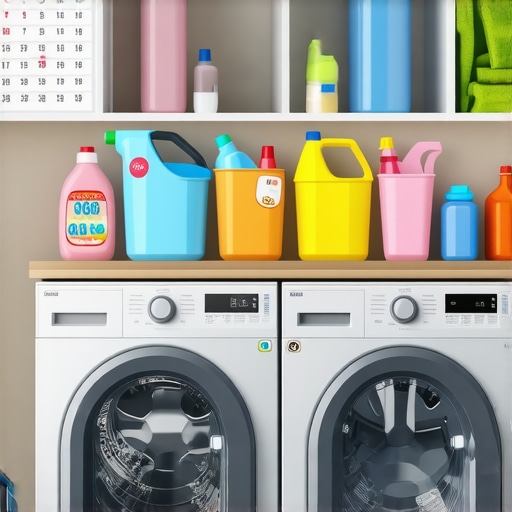
It was late on a Sunday evening when I realized the stark truth—my laundry bill had skyrocketed, and I didn’t even notice how fast the costs were climbing until I peeked at my bank statement. There I was, tangled in a mountain of clean clothes, feeling frustrated and a little bit defeated, wondering if my budget could stretch to cover yet another unexpected expense from the utility company. That moment of clarity hit me hard: there *must* be a smarter way to keep our clothes fresh without draining our wallet.
Frustration Turning into a Laundry Saving Mission
In the early days, I made the classic mistake of running full loads with the highest water and energy settings—thinking bigger was better. Turns out, I was just wasting resources and cash. What changed everything was a simple realization: smart choices and a few tweaks can dramatically cut down on laundry costs. I promise, you don’t need to sacrifice quality or cleanliness. Instead, I’ll show you how I turned my laundry routine into a budget-friendly, efficient process.
Is Your Laundry Routine Cost-Effective or Money Draining? Does It Really Matter?
Honestly, I used to underestimate how much money I was throwing away on inefficient appliances and habits. The biggest mistake I made early on was ignoring the capabilities of my washing machine, assuming I had to run multiple cycles or always use hot water for a decent clean. That was a costly misconception. Did you know that choosing the right wash cycle, load size, or even upgrading to smarter appliances can save you hundreds each year? For more insights on future trends that can help, check out [the future of home appliances](https://smartappliancereview.com/future-of-home-appliances-trends-to-watch-in-2025).
But it’s not just about saving money; it’s also about being more environmentally conscious and reducing energy consumption.
So, if you’ve ever felt overwhelmed by your monthly laundry bills, or simply wondered if you’re doing everything you can to cut costs without sacrificing hygiene, you’re not alone. The good news? Making a handful of simple, strategic changes can make a world of difference.
Now, let’s get into some practical, easy-to-implement steps that transformed my laundry routine from a budget-buster into a savings powerhouse.
Optimize Your Load Size and Water Temperature
Start by filling your washing machine to capacity without overloading, much like packing a suitcase—maximize space without cramming. When I first tried this, I noticed a significant drop in water and energy usage. Use the machine’s load sensors if available, which act like smart assistants, adjusting the water level automatically. Remember, hot water isn’t always necessary; for most daily clothes, cold or warm water suffices, saving energy and reducing your bills.
Choose the Right Cycle for the Job
Select cycles suited for your laundry’s soil level; heavy-duty cycles use more resources, much like driving a truck for a short trip. I used to run the longest cycle for everything, which was wasteful. Switch to eco-friendly or quick wash modes whenever possible. Modern appliances can adapt their wash patterns—think of them as a car that shifts into economy mode, cutting fuel consumption naturally. Upgrading to a smart washing machine can help here, like those reviewed at this guide.
Embrace Smart Appliance Features
Modern appliances are the future, resembling a well-trained assistant that handles chores efficiently. For instance, smart washers connect to your home network, allowing you to start, stop, or monitor cycles from your phone. I once set mine to run during off-peak hours using an app, which lowered my electricity costs. Additionally, sensors detect load size and fabric type, adjusting water and cycle time automatically, saving both resources and time. Consider exploring smart home appliances for a comprehensive upgrade.
Minimize Pre-Treatments and Overwashing
Only pretreat stubborn stains—think of it as giving your laundry a motivational boost rather than overloading it with sprays. I used to pre-treat everything, which increased wash cycles and soap use. Also, wash clothes only when they are truly dirty; airing out lightly worn garments can extend laundry days. This prevents unnecessary cycles, much like how a morning walk keeps you energized without overexertion.
Maintain Your Appliances Regularly
Keep your washer and dryer in top shape through routine cleaning and maintenance. For example, cleaning the lint filter in your dryer is akin to clearing a clogged artery—improving efficiency and safety. I learned this the hard way when a neglected filter caused longer drying times and higher energy use. Using recommended cleaning routines ensures appliances run smoothly, like a finely tuned engine, and can save you from costly repairs down the line. For detailed maintenance tips, visit this resource.
Many homeowners believe that choosing the latest smart appliances guarantees energy savings and efficiency, but this isn’t always the case. In my experience, a common myth is that newer appliances inherently consume less power, yet studies show that some high-tech gadgets can actually use more energy if not used correctly. For example, a smart refrigerator with many features may draw more electricity than a simple model if its settings aren’t managed properly, highlighting the importance of understanding each feature’s actual impact.
Are Smart Appliances Truly Saving You Money or Just Adding Complexity?
Experts like those cited in this guide warn that many users overlook the importance of configuring smart settings to optimize energy use, often leading to increased consumption despite the ‘smart’ label. An overlooked nuance is that features like automatic defrosting or adaptive cycles are designed for convenience, but if left enabled unnecessarily, they can negate energy savings. Additionally, many think that all wash cycles are equally efficient, but choosing the wrong cycle (like heavy-duty for lightly soiled clothes) wastes resources. External studies, such as the one published in the Journal of Energy Efficiency, demonstrate that user behavior significantly influences appliance performance and energy consumption. Therefore, mastering your appliance’s settings and understanding the subtleties can dramatically improve your savings. Furthermore, a common mistake involves neglecting regular maintenance—such as cleaning filters and seals—which can impair performance and increase energy use over time. For instance, a clogged refrigerator coil forces the compressor to work harder, elevating electricity bills, as highlighted by appliance experts in this resource. So, while the hype around smart and energy-efficient appliances is justified, actual savings depend heavily on informed use and maintenance. Don’t fall into the trap of assuming new equals efficient; instead, learn the behind-the-scenes nuances that maximize your appliances’ potential. Are you making any of these mistakes? Let me know in the comments. If you’re ready to explore the future trends shaping our smart homes, check out this insightful review.
Invest in Quality Maintenance Tools for Longevity
To ensure your home appliances operate efficiently over the years, I swear by a few specialized tools. A high-quality digital multimeter, for instance, allows me to diagnose electrical issues quickly, preventing minor problems from escalating. Additionally, a flexible long-reach silicone brush is invaluable for cleaning hard-to-reach areas inside dishwashers and refrigerators. These tools cost a bit upfront but save me time and money in the long run by helping me perform routine maintenance myself, avoiding costly service calls.
Regular Software Updates Keep Smart Appliances at Peak Performance
One of the things I’ve learned is that updating the firmware of smart appliances is crucial. Manufacturers frequently release updates that improve efficiency, fix bugs, and introduce new features. I make it a habit to connect my smart washing machine and refrigerator to their respective apps weekly, ensuring they’re running the latest software. This practice not only maximizes their capabilities but also helps avoid unforeseen glitches. For example, updating my smart fridge using the manufacturer’s app enhanced its energy management features significantly, aligning with the trend forecast in the future of home appliances.
Use Diagnostic Apps for Preventive Maintenance
Many modern appliances come with companion apps offering diagnostic insights. I rely heavily on these apps to monitor appliance health. For instance, my washing machine’s app alerts me to minor imbalances or sensor issues before they cause breakdowns. This proactive approach helps me schedule repairs during off-peak hours and save money. Integrating these apps into my routine reduces downtime and extends the lifespan of my devices.
Implement a Maintenance Schedule to Extend Appliance Life
Crafting a maintenance calendar ensures I stay on top of regular tasks. For refrigerators, I clean coils every six months, which improves cooling efficiency and reduces energy bills. For dishwashers, I run descaling cycles monthly, especially if I have hard water, helping prevent lime buildup and mold issues. These small, consistent efforts add up, significantly reducing the risk of unexpected failures. For comprehensive guidance on appliance upkeep, check out this detailed resource.
Predictive Maintenance and Future Trends
Looking ahead, I believe the integration of IoT sensors with machine learning algorithms will revolutionize appliance maintenance. Devices will predict failures before they happen, notifying owners via apps and scheduling repairs automatically. This shift will reduce waste and improve long-term performance. For insights on these upcoming innovations, explore the future trends in 2025. Embracing these technologies now, like setting up your smart appliances for remote diagnostics, can prepare you for this evolution.
How do I maintain my appliances over time?
Consistent maintenance starts with sticking to a routine—clean filters, coils, and seals regularly—and leveraging diagnostic tools and apps to catch issues early. Upgrading firmware and hardware periodically ensures your appliances stay efficient and extend their lifespan. For more advanced tips tailored to specific devices, I recommend consulting manufacturer guidelines and expert advice on sites like this comprehensive guide. Try scheduling a monthly check-up for your appliances and see how much smoother your home runs—it’s a small effort with big rewards!
Lessons I Wish I Didn’t Have to Learn About Smarter Laundry
- Investing in appliances with adaptive load sensing changed my view on efficiency—sometimes, the simplest tech offers the biggest savings.
- Balancing water temperature and cycle choice isn’t just eco-friendly; it’s a game-changer for lowering utility bills over time.
- Regular maintenance and firmware updates are my secret weapons—preventing costly breakdowns and keeping my appliances running like new.
- I discovered that understanding each feature’s true impact on energy consumption prevented me from wasting resources on unnecessary functions.
My Go-To Resources to Elevate Your Appliance Knowledge
- Smart Appliance Review Blog: This platform provides honest reviews and tips that I trust for making upgrade decisions, especially when considering smart home devices for 2025.
- Official Manufacturer Guides: They offer detailed maintenance routines and troubleshooting steps, ensuring I get the most out of my investments.
- Expert Forums and Communities: Sharing experiences with fellow smart home enthusiasts has revealed user tricks and common pitfalls I wouldn’t find elsewhere.
Your Next Step Toward a Smarter, Cheaper Home
Embracing smarter appliance habits and maintenance routines can transform your home into an efficient, cost-saving sanctuary. Remember, it’s not just about having the latest tech—it’s about understanding and leveraging what you already own. Start with small tweaks today, and watch your savings grow over time. Ready to take control of your laundry and appliance routines? Share your biggest challenge below—I love hearing your stories and helping you find solutions!