
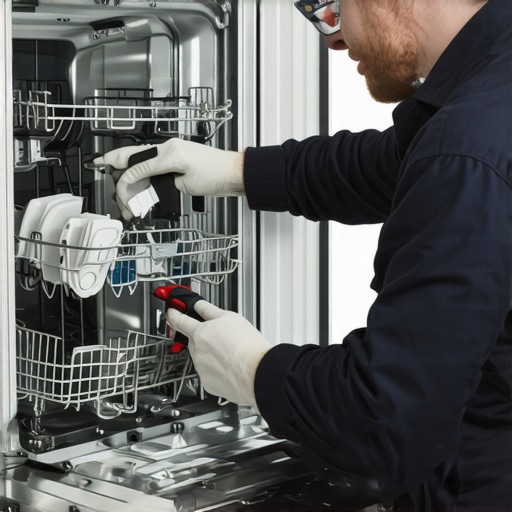
Ever had that sinking feeling when your dishwasher finishes a cycle, only to leave a small puddle of water sitting stubbornly at the bottom? I’ve been there, and I know how frustrating it can be—especially when you start questioning whether your trusty appliance is on its last legs. That lightbulb moment hit me hard one evening when I opened my dishwasher to find a geyser of dirty water splashing out the door. It’s a mess, it’s gross, and it really puts a damper on your day.
Why Your Dishwasher Won’t Drain and Why It Matters
This issue might seem minor at first glance, but it can lead to bigger problems. Standing water isn’t just a nuisance; it can cause unpleasant odors, promote mold growth, and even damage the dishwasher over time. Plus, a dishwasher that doesn’t drain properly means your dishes stay wet longer, and nobody wants to deal with soggy pots and sticky silverware. Understanding why your dishwasher fights draining is the first step toward fixing it and preventing future headaches.
Is It Really Worth Fixing or Time to Replace?
Now, I’ll admit, early on I made the mistake of rushing to buy a new dishwasher without exploring repair options. Sometimes, a simple clog or a loose hose can be the culprit, and these problems are pretty straightforward to fix. According to appliance repair experts, addressing common drainage issues can save you both money and hassle. So, hang tight—this isn’t a lost cause. We’ll walk through practical, proven steps to get your dishwasher draining like new again. And if you’ve faced this problem before, drop a comment—I’d love to hear your experience!
Check and Clear the Drain Filter
The first step is to locate and clean the dishwasher’s drain filter, usually found at the bottom of the tub. Remove any debris, food particles, or grease that may be clogging it. When I faced this issue, I used a pair of tongs to carefully pull out the filter and scrub it with warm soapy water. Once cleaned, reassemble and run a test cycle. Often, a blocked filter is the culprit behind poor drainage.
Inspect the Drain Hose for Clogs
Disconnect and Examine the Hose
Next, unplug the dishwasher and disconnect the drain hose. Hold it over a bucket and run water through it or use a long brush to dislodge any obstructions. I once found a tangled piece of plastic blocking the hose, which caused water to back up. After clearing it, reconnect and see if the drainage improves. Remember to secure clamps tightly to prevent leaks.
Test the Pump and Check for Obstructions
The pump moves water out of the dishwasher, but debris or damaged impellers can hinder its operation. Remove the pump cover (consult your manual) and inspect for obstructions. Spin the impeller manually; it should turn freely. In my experience, debris inside the pump led to sluggish draining, which I fixed by cleaning the impeller blades carefully. If the pump is damaged, replacement may be necessary, but cleaning often suffices.
Verify and Reset the Drain Solenoid
The drain solenoid controls water flow from the pump to the drain hose. If faulty or stuck, water can’t exit properly. Listen for a clicking sound during operation; absence indicates a problem. I replaced mine after feeling resistance during the electrical check, which resolved the issue. To reset, turn off the power, disconnect the solenoid, clean any debris, and reattach. Testing after this step is crucial to ensure proper drainage.
Examine the Air Gap and Disposal Line
If your dishwasher drains into an air gap or directly into a garbage disposal, inspect these components. Blockages here can cause backups. Remove and clean the air gap if present. I noted a clog in mine that caused standing water, so I flushed it with warm water. Additionally, ensure the disposal’s inlet isn’t clogged, which can impede drainage from the dishwasher.
Test and Use Smart Diagnostics
Many modern dishwashers offer diagnostic modes to identify drainage issues. Consult your model’s manual or manufacturer’s website to access these features. Running a diagnostic cycle can highlight electrical or mechanical faults. I did this with my smart dishwasher, which revealed a faulty drain pump sensor, leading me to order a replacement part. Upgrading to appliances with advanced diagnostics can streamline troubleshooting in the future.
Taking these steps systematically can address most drainage issues. Remember, if the problem persists after inspecting these components, consulting a professional technician or researching more specific repair guides may be the next move. Ensuring your dishwasher drains efficiently prolongs its lifespan and keeps your kitchen fresh and odor-free.
Most people believe that smarter appliances automatically mean better performance, but in my experience, this isn’t always the case. Many fall into common traps, such as overestimating features like Wi-Fi connectivity or assuming that high-tech gadgets are foolproof. The truth is, understanding the nuanced functioning of these devices requires insights beyond basic operating manuals. For instance, many assume that upgrading to a smart refrigerator guarantees longer freshness, but neglecting proper maintenance can nullify these benefits:
Are Advanced Features Always Worth the Extra Cost?
While the latest models boast state-of-the-art features—like AI-powered dishwashers or energy-efficient washing machines—they often come with a hidden price. Complex components such as touch interfaces and smart sensors can sometimes introduce new failure points, leading to more frequent repairs. An expert from the appliance industry points out that “over-relying on smart diagnostics can sometimes obscure underlying mechanical issues that require manual inspection.” Therefore, it’s vital to approach these innovations with a balanced perspective, prioritizing durability and ease of repair over flashy tech.
Another common misconception involves the integration of appliances within a smart home ecosystem. Many assume that linking devices ensures seamless operation, but incompatible software or flawed updates can cause disruptions. For example, connecting your dishwasher to voice assistants like Alexa might seem convenient, but if firmware isn’t updated properly, it may lead to communication errors or even security vulnerabilities. Regularly reviewing privacy policies—such as those detailed here—can prevent potential data breaches and ensure your smart home remains safe and reliable.
One sneaky pitfall is believing that eco or energy-saving modes are always beneficial. While they reduce utility bills, they may also diminish performance, causing longer cycle times or incomplete cleaning. A study by appliance efficiency specialists found that in some cases, these settings resulted in higher total energy use because of extended operation durations. So, before enabling these modes, weigh the trade-offs carefully; sometimes, a traditional cycle may be more efficient overall.
Advanced consumers should also pay attention to maintenance nuances. For instance, many overlook the importance of regular filter and sensor cleaning—especially in smart refrigerators and washing machines—leading to sensor errors or improper operation. An expert directory on smart home appliances emphasizes that proactive upkeep can extend appliance lifespan significantly.
In essence, demystifying overhyped features and recognizing their limitations helps in making smarter purchasing and maintenance decisions. Don’t fall into the trap of blindly trusting technology; instead, approach it with educated caution and regular oversight. Have you ever fallen into this trap? Let me know in the comments and share your experiences with smart appliances!
Investing in Quality Tools for Reliable Repairs
When it comes to maintaining your smart appliances, having the right tools can make all the difference. I personally rely on a high-quality digital multimeter to troubleshoot electrical issues in devices like refrigerators and washing machines. This affordable yet precise instrument helps me identify voltage fluctuations or faulty sensors quickly. Additionally, a flexible inspection mirror allows for detailed views into tight spaces, such as behind a dishwasher or inside a microwave cavity, saving me time and potential disassembly errors. For cleaning and maintenance, I favor a soft-bristled brush set to gently remove grime from filters and vents without risking damage.
Leveraging Advanced Software for Diagnostics
Modern smart appliances often come with built-in diagnostics that can be accessed via companion apps or dedicated service modes. I recommend regularly using factory diagnostic tools offered by appliance manufacturers—these can detect issues before they escalate. For example, apps linked to your smart refrigerator might alert you to a faulty door seal or sensor malfunction, guiding your maintenance efforts. Remember to keep your device firmware updated; manufacturers frequently release patches that improve diagnostic accuracy and performance, as discussed in this guide.
Developing a Routine Maintenance Schedule
Consistency is key. Personally, I set a monthly calendar reminder to clean filters, inspect hoses, and run diagnostic tests on my appliances. For example, cleaning the ice maker filter reduces the risk of clogs, ensuring fresh water flow, while inspecting washing machine hoses prevents leaks. Maintaining a logbook of issues and fixes not only helps when troubleshooting recurring problems but also extends the lifespan of your appliances. This proactive approach can prevent costly repairs, as highlighted by industry experts in future-oriented appliance reviews.
How do I sustain my appliances over time to maximize efficiency?
Keeping your appliances functioning optimally requires more than just routine checks. Utilize specialized tools like ultrasonic cleaners for removing mineral deposits from water-related parts, and consider investing in a moisture meter to monitor seal integrity in refrigerators. Regularly replacing worn components—such as door seals or filters—based on manufacturer recommendations prevents energy waste and costly breakdowns. Remember, staying informed about emerging technology trends, like AI-powered diagnostics and IoT integration, can help you adapt your maintenance strategies for the future, especially as industry forecasts predict continued innovation in 2025 trends. For instance, trying out a smart sensor in your washing machine’s drum can preempt imbalance issues and notify you when parts need replacement, saving time and money.
Embracing these precise tools and strategies empowers you to keep your appliances running smoothly long-term. If you’re ready to elevate your maintenance game, start by integrating one advanced diagnostic tip—like regularly updating your device firmware—to ensure your appliances operate at peak efficiency. That small step can significantly reduce unexpected failures and extend their service life. Curious to learn more about smart appliance upgrades? Check out top smart appliances for 2025 and plan your next upgrade wisely.
In my journey of tending to modern appliances, I’ve discovered that the most powerful insights often come from the less obvious lessons learned along the way. These insider wisdom moments have profoundly shaped how I approach appliance maintenance and troubleshooting.
The Hardest Lesson I Learned About Dishwashers and Smart Appliances
- Patience beats quick fixes every time. When faced with drainage issues, rushing to replace parts often delays true resolution. Taking time to systematically identify the root cause—like inspecting the drain filter or hose—saves effort and money.
How Overconfidence Can Obscure Simple Solutions
- Don’t underestimate basic maintenance. Trusting advanced features is tempting, but often, a clean filter or unblocked hose restores function immediately. Remember, even the smartest appliance needs routine TLC.
Why Ignoring Manufacturer Guidelines Costs More in the End
- Stick to expert recommendations. Regular firmware updates and following suggested maintenance routines prevent major breakdowns. Dismissing these can lead to costly repairs or replacements.
My Personal Tip for Future-Proofing Your Appliances
- Think proactive, not reactive. Investing in quality tools—like a multimeter or inspection mirror—during routine checks can catch issues before they escalate, saving time and stress.
How Embracing Simplicity Enhances Appliance Performance
- Keep it straightforward. Complex settings or over-reliance on smart features can sometimes complicate repairs. Simple, effective maintenance tends to be more reliable and easier to manage over time.