
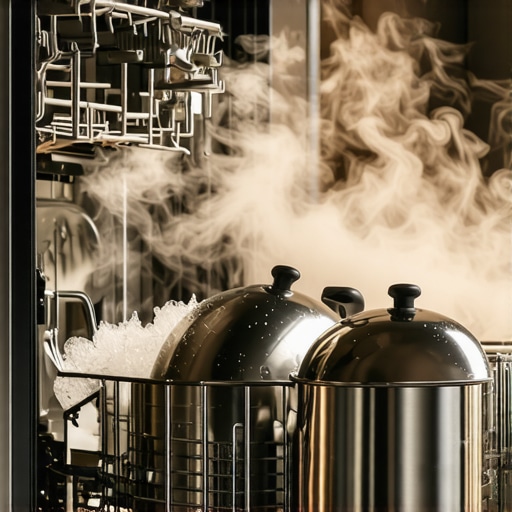
Have you ever opened your dishwasher after what was supposed to be a thorough clean, only to find those stubborn burnt-on messes still glaring back at you? I recall countless evenings where I’d stare in frustration, realizing my usual cycle just wasn’t cutting it for my heavily soiled pots and pans. That lightbulb moment hit me during one such late-night showdown when I learned that not all dishwasher cycles are created equal—especially when tackling tough, baked-on food residues. It was then I decided to dive deeper, determined to discover the best techniques for genuinely sparkling cookware.
Why Choosing the Right Dishwasher Cycle Matters for Heavily Soiled Pots
It’s tempting to hit start and hope for the best, but trust me, selecting the appropriate cycle can be the difference between clean pots and a repeat dishwasher run. I’ve wasted so much water and energy on generic cycles that just couldn’t break down those stubborn grime layers. When I finally started using cycles designed specifically for heavy soil, my surfaces looked brand new again—saving me time, effort, and frustration. Studies show that using incorrect dishwasher settings can lead to poor cleaning performance, resulting in re-washes and higher utility bills (expert advice on water savings). Today, we’ll explore how to pick the best cycle for your toughest kitchen challenges.
Is a Heavy-Duty Cycle Really Necessary for My Pots?
It’s a common concern—do I really need that intensive cycle every time? Early on, I’d often skip the heavy setting, thinking it’s overkill or wastes energy. But I made a crucial mistake: I didn’t realize that certain soils require more robust agitation and higher temperatures to loosen baked-on residues effectively. Over time, I discovered that using a dedicated heavy-duty cycle not only improves cleanliness but also extends the lifespan of my cookware by preventing grime buildup, which can degrade the material. If you’re hesitant, I get it—that extra time and energy can seem burdensome. But the benefits—cleaner, brighter pots—are well worth it, especially after a big family feast or meal prep session.
Next, we’ll look at how to identify the cycles in your dishwasher, what settings truly make a difference, and how to maximize your appliance’s capabilities for those heavily soiled dishes. And if you’re wondering about the latest smart innovations transforming dishwashers into powerful cleaning machines, check out this guide to AI-enabled dishwashers. Let’s get started on making your pots effortlessly spotless!
Choose the Correct Cycle for Tough Residues
Start by selecting the cycle explicitly designed for heavy soil, often labeled as “Heavy,” “Power,” or “Baked-On.” During my first attempt, I mistakenly used a quick cycle, and my pots looked just as grimy afterward. I learned that these specialized cycles supply higher water temperatures and more aggressive washing actions, essential for breaking down baked-on food.
Identify and Use the Heavy-Duty Setting
Locate the heavy-duty option on your dishwasher’s control panel, usually near the other soil-specific cycles. For instance, my old dishwasher had a clear “Heavy” button, but newer models might house it under a “Power” or “Intensive” mode. Once selected, ensure to add a robust detergent or a specialized cleaning agent for Kitchenware, which can help loosen stubborn residues even further.
Pre-treat and Arrange Your Pots Strategically
Before loading, soak or scrape off excess burnt-on food—think of it as pre-washing your dishes to ease the machine’s job. I once ignored this step when rushed, and my dishwasher failed to clean properly. Proper arrangement is equally vital: place heavily soiled pots facing the spray arms directly to maximize water jet collision with grime. Avoid overcrowding, as blocking spray arms reduces pressure and cleaning effectiveness.
Handle Baked-On Food with Helper Agents
For especially persistent residues, consider pre-treating with a paste of baking soda and water or using a commercial descaling spray. Apply the agent to the baked-on spots, let it sit for 15-20 minutes, then load the cookware. This method acts like a primer that softens stubborn dirt, making the dishwasher’s job much easier—akin to using a primer before painting a wall.
Optimize Water and Detergent Settings
Ensure your rinse cycle is set to high temperature if available, as hot water dissolves grime more effectively. Use a high-quality, enzyme-rich detergent that targets organic stains. I switched to such a detergent after noticing my baked-on food persisted despite the cycle—resulting in noticeably cleaner pots. Consider adding rinse aid to improve drying and prevent spots, especially if your water is hard.
Maintain and Troubleshoot for Best Results
Regularly clean your dishwasher’s filters and spray arms to prevent clogs that hinder water flow. If you’re still seeing residue, check for mineral buildup or misaligned spray arms; cleaning or replacing these parts restores optimal pressure. For ongoing stubborn spots, run a cleaning cycle with a dishwasher-safe descaler. These steps are comparable to sharpening tools—keeping the machine in top shape ensures it performs its best each time.
Applying these steps consistently transforms your dishwasher into a powerhouse capable of conquering even the most baked-on disasters. Remember, pre-treatment combined with the right cycle choice is your best weapon against stubborn grime, making your pots shine like new without manual scrubbing.
Many homeowners believe they understand their washing machines, refrigerators, and dishwashers inside out, but in reality, several misconceptions can lead to inefficiencies or appliance damage. As an expert in smart home appliances, I’ve observed that most people overlook critical nuances that affect performance and longevity. Let’s dig deeper into some widespread false beliefs and pitfalls to avoid, so you can maximize your appliances’ potential and prevent costly mistakes.
Why Relying Solely on Default Settings Might Backfire
It’s a common myth that sticking to the factory default cycles ensures optimal cleaning and efficiency. However, many users skip customizing settings, unaware that adjusting wash or dry cycles based on load type can significantly extend appliance lifespan and improve results. For instance, using the appropriate cycle on your smart washing machine—like selecting a gentle cycle for delicates—can prevent unnecessary wear and tear, which is often overlooked (learn how smart washers simplify laundry). Conversely, ignoring these options may result in subpar cleaning or even damage.
Similarly, with refrigerators, setting the temperature too low to compensate for perceived inefficiency wastes energy and risks spoilage. Recognize that modern models often have advanced sensors that adjust cooling intelligently, and overriding these can cause more harm than good.
Beware of the ‘Eco Mode’ Trap
Many think activating eco modes forever saves energy and reduces utility bills. While this may be true for some scenarios, overusing eco settings can compromise appliance effectiveness. For example, a refrigerator kept on eco mode might not maintain consistent internal temperatures, risking food spoilage—especially if ambient conditions fluctuate. Similarly, eco modes on dishwashers often extend cycle times, which may seem like a trade-off that’s not worth the slight energy savings, especially when dealing with heavily soiled dishes. Experts warn that misuse of eco settings can negate their intended benefits and lead to increased re-washing or waste.
Smart appliances with advanced features, such as AI-driven cycle selection, can help optimize energy use without sacrificing performance. For a curated guide on selecting the best smart dishwasher, check out this comprehensive resource.
Overlooking Regular Maintenance Could Cost You
Another widespread mistake is neglecting routine upkeep, which can decrease efficiency and cause breakdowns. Many assume that once an appliance is new, it doesn’t require cleaning or inspections. However, filters, spray arms, door seals, and water lines need regular attention. For example, failure to clean dishwasher filters or to monitor refrigerator door seals can lead to mold growth, poor cooling, and increased energy consumption. Over time, these oversights result in higher repair costs and shortened appliance lifespan (read more about refrigerator maintenance).
Is Your Energy Saving Mode Actually Cost-Effective?
While energy-saving modes are marketed as eco-friendly, they aren’t always economical. For instance, running a washing cycle in eco mode during peak hours might delay laundry completion and increase household inconvenience, leading to the temptation to re-run the machine later at higher energy rates. Moreover, some models reduce wash intensity to save power, which can lead to incomplete cleaning or increased re-washing—a hidden cost that nullifies the initial savings.
To truly understand these subtleties, consider consulting expert advice on water and energy-efficient appliances.
In the end, mastering your home appliances requires more than just following basic operation instructions. Recognize the nuanced aspects, avoid common myths, and stay informed on the latest advancements to ensure your appliances work smarter and last longer. Have you ever fallen into this trap? Let me know in the comments.
Keeping Your Appliances Running Smoothly
Maintaining your home appliances, especially smart dishwashers, refrigerators, and washing machines, requires more than just occasional cleaning. It involves a strategic approach utilizing the right tools, software, and routine practices to ensure longevity and optimal performance. Over the years, I’ve refined a set of specific methods and gadgets that have saved me time, money, and frustration, and I recommend you do the same. Embracing these tools can also prepare you for future trends in smart technology, which is moving rapidly toward automation and AI-driven diagnostics.
Essential Tools for Maintenance and Diagnostics
One tool I rely on heavily is a digital multimeter paired with a resistance tester. This combo allows me to check electrical continuity and ensure that components like thermostats, heating elements, or sensors in my appliances are functioning correctly. For example, I regularly test the wiring of my refrigerator’s defrost heater to prevent costly breakdowns. Additionally, a Wi-Fi compatible diagnostic scanner specific to your appliance brand can access internal error codes, providing insights beyond what the manual offers. Many smart appliances now include apps that facilitate remote diagnostics—something I highly suggest setting up early. See our guide on AI-enabled dishwashers for more on the future of smart diagnostics.
Routine Maintenance That Pays Off
Regular cleaning of filters, spray arms, and seals is fundamental. I recommend investing in a ultrasonic cleaner—a small device I use quarterly to deep-clean dishwasher spray nozzles and faucet filters. It’s surprisingly affordable and extends appliance lifespan. For refrigerators, replacing seals and cleaning condensation drains prevents energy waste and frost buildup. I do this every six months, which helps my fridge stay efficient and reduces the likelihood of breakdowns. These tasks, although seemingly minor, prevent major repairs down the line.
Software and Apps That Simplify Upkeep
Most modern appliances come with companion apps that monitor appliance health and alert you to potential issues. I recommend setting up push notifications so you’re immediately aware of anomalies like unusual noise, temperature changes, or cycle errors. For example, my smart washing machine alerted me early about a clogged filter, saving me from water damage. Staying proactive with these apps means I catch problems before they escalate, which is especially valuable if you own multiple smart appliances. The trend toward AI-driven predictive maintenance suggests that, in the future, appliances will automatically schedule repairs or order parts—something I look forward to.
How do I maintain efficacy over time?
The key to long-term appliance health is consistency. Dedicate a specific day each month for detailed inspections, cleaning, and software updates. Keep a maintenance log—this habit helps you spot patterns, like increasing cycle times or temperature inconsistencies, before they cause failures. Firmware updates, often available through manufacturer apps, can also improve performance and security. Regularly updating your appliance’s software ensures you benefit from the latest improvements and bug fixes, which is crucial with the rapid evolution of smart home technology. Stay ahead by proactively managing your appliances, rather than waiting for breakdowns to occur. For detailed tips on staying current, visit trends to watch in 2025.
Don’t wait until your appliances start showing warning signs—implement these tools and routines now to keep them functioning at their best. For personalized advice or to explore advanced diagnostics tools, reach out via our contact page.
Secrets Only Insiders Usually Discover
- I realized that pre-treating baked-on residues isn’t just a tip; it’s a game-changer that saved me countless re-washes and energy. Always remember, a little effort before the cycle can multiply your results.
- Choosing the wrong cycle was a costly mistake early on—spending extra water, energy, and time. Knowing exactly which settings to pick for heavy-duty cleaning made my appliances work smarter, not harder.
- Regular maintenance and understanding your appliance’s smart diagnostics kept unexpected breakdowns at bay. Learning to interpret error codes can save both money and stress, especially with complex appliances.
- Committing to routine inspections and software updates made a huge difference. Staying proactive with your appliances’ health is like giving them a vitality shot—keeping them efficient for years.
Tools and Resources That Truly Elevate Your Appliance Game
- My top pick is a Wi-Fi-compatible diagnostic scanner. It offers insights beyond manuals and helps troubleshoot issues before they escalate, keeping my appliances in peak condition.
- For deep cleaning, I swear by an ultrasonic cleaner for spray arms and filters—an affordable tool that extends appliance lifespan and keeps performance sharp.
- Books like “The Smart Home Revolution” broaden my understanding of integrating AI features effectively. They help me stay ahead of new trends and optimize appliance settings for my needs.
- The official manufacturer apps are invaluable, providing firmware updates and real-time alerts. They turn mundane maintenance into a seamless, automated process, saving me time and hassle.
Your Journey Starts Now—Transform Your Home
Remember, mastering your appliances doesn’t happen overnight, but each step you take towards understanding and maintaining them adds up. Embrace the knowledge, tools, and routines that put you in control—your home will thank you with sparkling results and years of reliable service. Don’t hesitate—your smarter, more efficient household awaits. What’s one appliance tip you’re eager to try first? Let me know below!
,