
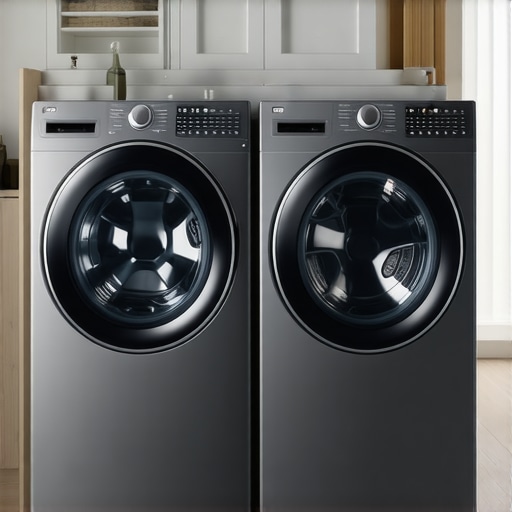
It was a Monday morning, and I was standing in my laundry room, staring blankly at two very different beasts: the bulky top-loader that had been with me for years and a shiny new front-load washer I’d just installed. Suddenly, I realized I’d been making this choice without truly understanding what separates these two giants. That lightbulb moment made me question everything about my laundry habits and the appliances I’d trusted blindly.
Choosing the right washing machine isn’t just about size or brand; it impacts your time, energy bills, and even the longevity of your clothes. The confusion is real—are front-loaders really worth the investment, or do top-load washers still have a place in our homes? Today, I’m here to demystify this debate and help you make an informed decision that can simplify your laundry routine.
Why Your Choice of Laundry Machine Can Make or Break Your Day
The type of washer you pick influences much more than just the load of laundry. It’s about efficiency, water and energy savings, and ease of use. I used to think that newer, fancy models meant better performance, but I quickly learned that understanding the key differences can save you headaches and money. For example, I made the mistake early on of assuming all washers are created equal—only to realize that my front-loader was saving me water and energy, which I discovered through expert advice on water-saving washing machines.
By exploring the nuances between these two types, you’ll see the benefits and drawbacks laid out clearly. Whether you’re upgrading an old unit or shopping for your first, knowing what truly matters can prevent buyer’s remorse and frustration. Are you tired of your clothes smelling musty after washing? Or maybe you’re concerned about how much water your current machine wastes? Keep reading, because I will guide you through what to look for and help you avoid common pitfalls.
Does the hype about front-load washers justify the higher price?
Early in my journey, I wrongly believed that paying more would automatically mean better results. My mistake was ignoring how different models function and what my specific laundry needs were. That’s when I started digging into reviews and expert opinions, which revealed that some front-load washers are designed to be more efficient and gentler on clothes—but only if chosen carefully. Understanding these differences can help you decide if the upgrades are worth it or if you should stick with a reliable top-loader that has served well over the years.
So, if you’ve been debating whether to ditch your old top-loader for a sleek front-loader or just want to maximize laundry efficiency without breaking the bank, I’m here to help you sort through the noise. Stay tuned for the practical steps and insights that will make your laundry days smoother and smarter.
Identify Your Laundry Needs Clearly
Before diving into machine features, assess your laundry habits: How many loads do you run weekly? Do you often wash bulky items or delicate fabrics? For example, when I realized I was washing heavy comforters weekly, I opted for a model with a powerful spin cycle and extra-large drum, which I learned about through smart appliance insights. Pinpointing your needs streamlines your options and prevents overspending on unnecessary features.
Compare Washer Types Based on Core Functionality
Top-Load vs. Front-Load: Know the Difference
Think of top-load washers as traditional manual gear shifters: quick, straightforward, but sometimes less efficient. Front-loaders are like automatic transmissions—more complex but with advantages in water and energy savings. I replaced my old top-loader with a front-loader after realizing, via water-efficient reviews, that the front option could cut my water bills by half. When choosing, consider space constraints too; front-loaders often have a smaller footprint but require careful leveling to avoid vibrations.
Assess Efficiency and Cycle Options
Efficiency isn’t just about water use but also about load size and cycle options. Machines with sensor technology detect load weight and adjust water volume accordingly. I tested this by washing a small load with my new model; the sensor reduced water usage while cleaning effectively, which I discussed in smart washer benefits. Matching features to your laundry volume can save both money and time in the long run.
Evaluate Smart Features for Convenience
Connectivity and Remote Control
Smart washers can be controlled remotely or send notifications when cycles finish. I once forgot to start a load; my app alerted me, saving me a trip back home. These features are explained thoroughly in smart appliance trends. Look for Wi-Fi compatibility and compatibility with voice assistants like Alexa or Google Home. Easy-to-use apps make laundry less of a chore and more integrated into your daily routine.
Prioritize Ease of Maintenance
Features like self-cleaning cycles are game-changers for hygiene and appliance longevity. I learned this when my front-loader started developing a musty smell; running a self-clean cycle and cleaning the door gasket manually resolved the issue, as recommended by cleaning tips. Choose machines with accessible filters and drum interiors to simplify regular maintenance tasks.
Test Run and Fine-Tune Settings
Once you’ve narrowed options, perform a trial run with different cycle settings. I tested eco modes and high-speed spins; observing water levels, cycle duration, and noise helped me fine-tune my preferences. Remember, every appliance has its quirks; patience during initial runs ensures trouble-free operation down the line.
Place Your Machine Thoughtfully
Position your washer on a level surface to prevent vibrations, using a leveling tool like I did during my first setup. Proper placement not only minimizes noise but also prolongs the life of your investment. For detailed tips on installation, check installation advice.
While many believe that choosing the latest smart appliance guarantees optimal performance, the real pitfalls are often invisible at first glance. A common misconception is that all high-tech features automatically translate to better efficiency or durability. For instance, some consumers assume that Wi-Fi-connected refrigerators prioritize energy savings, but in reality, they might compromise on insulation quality or ease of maintenance, according to recent industry analyses.
Are Advanced Features Always Beneficial or Just Marketing Hype?
Many advanced options, such as AI-powered dishwashers or self-cleaning ovens, promise convenience but can lead to unnecessary complexity and maintenance challenges. The key is understanding the underlying mechanics—often, simpler models with robust build quality outperform overly complicated counterparts over the long term. Experts advise thoroughly researching manufacturers’ focus on longevity and ease of repair, as highlighted in this guide.
Another trap is assuming that smart appliances automatically learn your habits and optimize themselves without user input. In reality, many require regular updates, calibration, and sometimes manual adjustments to truly deliver on their promises. Failing to perform these upkeep tasks can leave you with appliances that underperform or become unreliable. To maximize your investment, it’s vital to read the owner’s manual carefully and stay engaged with firmware updates, as recommended in this comprehensive resource.
Smart Features May Complicate Repairs, Not Simplify Them
It’s tempting to think that smart appliances reduce the need for service, but synchronized electronics and connectivity modules can make repairs more complex and costly. For example, if a smart fridge fails, technicians often need specialized diagnostic tools and firmware access, extending downtime and expenses. Past experience shows that conventional models with straightforward components are easier and cheaper to repair. Investing in appliances with accessible parts and clear maintenance instructions can sidestep this common problem.
Want to avoid these pitfalls? Focus on appliances that balance smart features with proven durability and support. Researching beyond marketing claims, reading user reviews, and consulting expert opinions—like those found on top smart appliances of 2025—can help you make more informed choices.
Have you ever fallen into this trap? Let me know in the comments, and share your experiences with high-tech appliances that didn’t live up to their promises.
How do I maintain my home appliances over time?
Proper maintenance is key to extending the lifespan of your appliances and ensuring they operate efficiently. I personally rely on a combination of specialized tools and disciplined routines to keep my appliances running smoothly. For instance, I swear by a high-quality digital multimeter for diagnosing electrical issues in smart devices; it helps me quickly identify whether a component is malfunctioning without guessing. Similarly, a microfiber cloth and gentle cleaning sprays are my go-to for regular surface cleaning, preventing dust accumulation that can impair sensors or vents.
Using manufacturer-recommended cleaning agents and following their maintenance schedules can prevent costly repairs down the line. I also set annual reminders to check filters, seals, and connection ports—especially for smart refrigerators and washing machines connected via Wi-Fi—since neglected components often lead to connectivity issues or performance drops. This guide offers comprehensive tips on routine checks and maintenance routines tailored for modern smart appliances.
Tools I recommend for appliance upkeep
Among my favorite tools is a smartphone-compatible diagnostic app, which interfaces with many smart appliances to provide real-time performance data and error codes. I use these apps to monitor my devices’ health, setting alerts for irregular behaviors like unexpected power drains or connectivity drops. Additionally, a small, extendable crevice tool helps me reach dust and lint in tight spots—like behind vent filters or inside condenser coils—without disassembling the unit.
For deep cleaning, I recommend a non-abrasive brush with firm bristles that can remove grime without scratching sensitive surfaces, especially in dishwashers and refrigerators. When performing maintenance, it’s critical to disconnect appliances from power sources; for smart devices, this also involves disabling Wi-Fi temporarily to prevent miscommunication during handling. This article explains best practices for cleaning appliance seals to prevent mold and bacteria buildup.
The future of appliance care
As smart home technology advances, I foresee a trend towards appliances that can self-diagnose and even suggest maintenance schedules automatically based on usage patterns. Predictive analytics, powered by AI, will alert homeowners before minor issues become major failures, saving time and money. For example, some brands are now integrating sensors that monitor compressor health in refrigerators—detecting potential failures early, as detailed in this upcoming trend report.
To leverage these innovations, I recommend exploring appliances with built-in diagnostic features or compatibility with third-party monitoring systems. Installing these tools now can give you a head start in smart appliance maintenance, reducing downtime and repair costs.
Ready to take your appliance upkeep to the next level? Try using a diagnostic app on your smart washer or fridge this week. It’s a simple step that provides invaluable insights, ensuring your appliances stay in premium condition far longer.
Lessons the Appliance Industry Won’t Share About Smart Tech
- I first believed that all smart appliances would automatically learn my habits, but I realized I needed to actively engage with their features for real benefits, like regular updates from this comprehensive guide.
- I underestimated the importance of maintenance routines, learning that even the most advanced appliances require regular upkeep, which I discovered through hands-on experience and reading trusted tips on keeping appliances clean.
- Choosing the right appliance should be based on real needs, not marketing hype. I found that some features touted as innovative didn’t add value for me, emphasizing the importance of personal research instead of jumping on the latest trend, as explained on this resource.
My Essential Toolbox for Smarter Appliance Care
- A quality digital multimeter has saved me from unnecessary repairs by diagnosing issues early, a tool I trust deeply for its accuracy and ease of use.
- A microfiber cloth combined with gentle cleaning sprays keeps my appliances hygienic and functioning efficiently, preventing mold and grime buildup, especially in seals and vents, as advised in cleaning tips.
- An extendable crevice tool helps me reach tight spots where dust and lint hide—crucial for maintaining appliances that rely on sensors and vents for optimal operation.
Charge Your Future with Vision and Action
Take control of your home appliance experience today. By understanding the real capabilities of smart appliances and maintaining them proactively, you aren’t just investing in gadgets—you’re empowering your daily life. Trends like predictive diagnostics, discussed on this future report, will soon become the standard. So, I encourage you to explore appliances that blend innovative features with practical durability, ensuring a smarter, more effortless home. What small maintenance habit have you started that made a big difference in your appliance performance? Share below and inspire others to take charge of their smart home journey.