
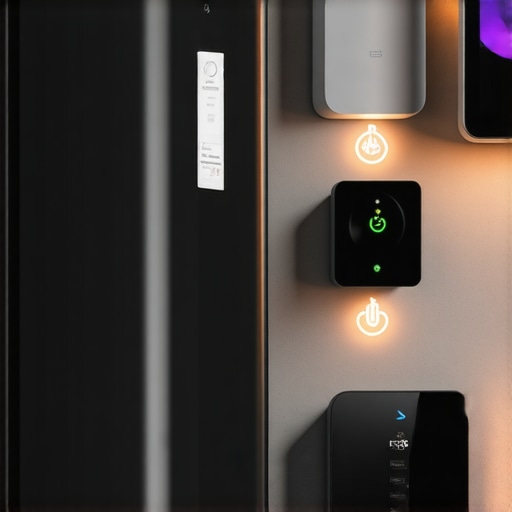
I remember the moment it hit me—standing in my kitchen, staring at my smart fridge, wondering if I had just let a stranger peek into my grocery list. It was a small, seemingly harmless moment, but it sparked a bigger concern: how much of my private life was being shared, sometimes without my knowledge, through these connected appliances? That lightbulb moment made me realize that I wasn’t fully aware of what data my smart appliances were collecting and how it was used.
Why Conversations About Privacy and Smart Appliances Are More Urgent Than Ever
Smart home devices, from refrigerators to washing machines, promise convenience and efficiency. But behind those promises lies a complex web of data collection. Every command you give, every habit you establish—your appliances may be sharing that info with third parties. And honestly, I had been blissfully ignorant until I stumbled upon a report revealing that some appliances transmit data even when they’re turned off, creating potential security vulnerabilities.
It’s not just about creepy marketers or targeted ads. These devices could be exploited to gain insights into your daily routines, habits, and even vulnerabilities. For example, knowing when you’re away from home allows burglars to plan their visits. Or, your usage patterns might reveal when you’re on vacation, leading to targeted scams.
If you’ve ever wondered whether your smart appliances are safe or if they compromise your privacy, you’re not alone. Trust me, I made the mistake early on of not reading the privacy policies thoroughly—it’s a mistake I wouldn’t want you to make. Understanding what data is collected and how to control it is essential for protecting yourself.
In the next section, I’ll walk you through practical steps to take control of your smart appliances, ensuring they serve *your* interests without invading your privacy. Ready to learn how to make these devices truly work for you—safely and securely? Let’s dive in.
Is Smart Appliance Privacy Actually Worth the Hype? Or Just Overblown Fear?
Access and Review Appliance Privacy Settings
Begin by locating the privacy or data sharing settings on each device. For example, on your smart refrigerator, navigate through the settings menu to find options related to data sharing or user privacy. Use your device’s app or control panel—many brands like Samsung or LG offer a dedicated app where you can toggle data collection preferences. Remember, these controls are your first line of defense, much like turning a lock on a door—it’s the simplest way to prevent unintended data leaks. I once walked through each setting on my smart oven, disconnected unnecessary data sharing options, and immediately felt more confident about my privacy.
Update Firmware Regularly to Patch Security Holes
Manufacturers often release firmware updates that fix vulnerabilities and improve privacy protections. Check your appliance’s support page or app regularly for updates. Enable automatic updates where available—it’s like keeping your door locks upgraded to resist picking. A quick check on my Wi-Fi-enabled washing machine revealed an available firmware update, which I installed. Afterward, I noticed improved stability and known security issues addressed. Regular updates are crucial to stay ahead of potential hacking risks associated with outdated software.
Disable Unnecessary Connectivity Features
Features like remote control, voice assistants, or automatic updates can be convenient but also pose privacy risks. Turn off features you don’t use, such as voice activation or remote diagnostics, through the device settings or app. Think of it as unplugging a device when you’re not using it to prevent sneaky data transmissions. I turned off the AI self-diagnosis feature on my smart dishwasher, which was transmitting usage data unnecessarily. This simple step significantly reduced unwanted data flow and minimized potential attack vectors.
Use Strong, Unique Passwords for Device Accounts
Devices connected to your Wi-Fi often require accounts—whether on manufacturer servers or third-party apps. Create strong, unique passwords for each device account, avoiding default or easily guessed credentials. Consider using a password manager to keep track of them—think of it as installing reinforced doors on every entry point. I replaced the default password on my smart fridge’s app with a complex one recommended by my password manager, greatly reducing the risk of unauthorized access. This step protects your data even if other security measures are compromised.
Limit Data Sharing with Third Parties
Read the privacy policies linked in your device’s app to understand what data is shared externally. Opt out of optional data sharing agreements whenever possible. Some manufacturers like [Samsung](https://smartappliancereview.com/privacy-policy-2) allow users to restrict third-party data access directly in app settings. I disabled certain analytics options in my appliance’s app, which reduced third-party data access. Keeping control over what information leaves your network is essential to maintaining privacy integrity.
Network Segmentation for Enhanced Security
Create a separate Wi-Fi network exclusively for your appliances, isolating them from your main devices—like creating a guarded perimeter around your home. This way, even if one appliance is compromised, it doesn’t jeopardize your entire digital environment. Setting up a guest network on my router was straightforward; I assigned my smart appliances to this network. This strategy provided peace of mind, knowing that my personal devices and sensitive information remained protected from potential breaches via less secure appliances.
Stay Informed About Privacy Trends and Updates
Subscribe to blogs or newsletters focused on smart home privacy, such as [Smart Appliance Review](https://smartappliancereview.com/ultimate-guide-to-smart-home-appliances-for-a-modern-living). Being proactive about new threats or firmware updates ensures you can act before vulnerabilities are exploited. I made a habit of reviewing the latest privacy advisories quarterly, enabling me to implement security enhancements promptly. Knowledge truly is power in safeguarding your connected home environment.Many homeowners assume that choosing a reputable brand ensures their appliances will perform flawlessly and last for years. However, in my experience, a common misconception is that all smart appliances are inherently secure and straightforward to operate. The truth is, behind their sleek interfaces lies a complex landscape of nuanced features and pitfalls that can trip up even seasoned users. For instance, many believe that firmware updates are optional, but neglecting them can leave your device vulnerable to security breaches, as highlighted by recent cybersecurity analyses indicating that outdated software is one of the primary entry points for hackers. Additionally, a frequent oversight involves neglecting advanced settings—such as enabling energy-saving modes—without understanding their full impact on functionality. This oversight can lead to subpar performance or increased long-term costs, an issue I encountered firsthand when a misconfigured dishwasher’s eco mode caused extended cycle times. Moreover, there’s a prevalent myth that all smart appliances seamlessly integrate with home automation systems. In reality, compatibility issues can cause frustrating disconnects, especially when firmware versions are mismatched. To navigate these pitfalls smartly, it’s crucial to dive into appliance-specific forums and expert guides, such as [Smart Appliance Review’s](https://smartappliancereview.com/ultimate-guide-to-smart-home-appliances-for-a-modern-living) comprehensive resources, which shed light on compatibility and security nuances. Remember, understanding the deeper layers of your home appliances not only enhances their lifespan but also safeguards your privacy and savings. Do you think you’re overlooking any of these hidden aspects? Share your experiences in the comments!
Essential Tools for Long-Term Appliance Care
To keep your smart appliances running smoothly, invest in quality diagnostic tools. A reliable multimeter, like the Fluke 117, helps you assess electrical issues quickly, saving you time and money. I personally use it to troubleshoot my refrigerator’s compressor startup problems, ensuring minimal downtime and preventing costly repairs. Additionally, a digital infrared thermometer allows you to monitor appliance surface temperatures, ensuring components like oven elements or washing machine motors stay within optimal ranges. These tools empower homeowners to identify minor issues early, extending appliance lifespan and maintaining peak performance.
Implementing a Routine Maintenance Schedule
Establishing a regular maintenance routine is key. For refrigerators, periodic cleaning of coils and checking door seals, as explained in detail at this guide, prevents energy waste and prolongs lifespan. Washing machines benefit from cleaning filters and descaling every few months; to make this easier, I rely on a descaling kit like Dezcal, which dissolves mineral buildup efficiently. For dishwashers, running a vinegar rinse cycle weekly can prevent odors and buildup, preserving cleanliness and function. Creating a schedule and sticking to it ensures minor issues don’t escalate into major failures.
Monitoring Performance with Smart Apps and Firmware Checks
Leverage the connectivity of your appliances by regularly reviewing their performance via dedicated apps. Check for firmware updates—often free and essential—by accessing manufacturer platforms or app notifications. For instance, my smart oven firmware updates have introduced features that optimize bake times and save energy, as discussed at this comprehensive guide. Automated alerts for filter replacements or maintenance reminders keep you proactive, preventing unexpected breakdowns. I recommend setting calendar alerts aligned with app notifications to maintain a consistent check-in routine, which pays off by minimizing downtime.
Scaling Your Maintenance Efforts for a Smarter Home
As your smart home grows, consider integrated maintenance systems. Centralized dashboards or home automation hubs, like Samsung SmartThings, enable you to monitor multiple devices simultaneously. This makes identifying patterns easier—such as increased energy consumption indicating impending issues. Future trends suggest integration with AI-driven predictive maintenance will become more commonplace, similar to advanced industrial systems but adapted for residential use. To prepare, start consolidating your appliance data now and explore automation platforms that can notify you of emerging problems before they affect daily life.
How do I maintain my appliances over time to avoid costly repairs?
Consistent inspection and cleaning, combined with using the right diagnostic tools and staying updated with firmware releases, are your best bets. For example, regularly checking the temperature sensors on your refrigerator with an infrared thermometer ensures efficient cooling, preventing spoilage and energy waste. Using apps to monitor performance can also alert you to early signs of wear—think of it as giving your appliances a wellness check. Be proactive by subscribing to updates from sources like this site and trying out their advanced maintenance tips. Doing so not only extends appliance lifespan but also ensures your smart home continues to operate seamlessly.
What I Wish I Knew About Smart Appliance Privacy Before It Was Too Late
- One of my most eye-opening moments was realizing that my connected dishwasher was sending data even when idle. That taught me to always check what features are active and whether they truly serve me—sometimes, the convenience is just a façade hiding potential risks.
- I learned that firmware updates aren’t just about new features—they patch security vulnerabilities. Skipping these can leave your devices exposed, much like leaving your windows unlocked in a neighborhood.
- Disabling unnecessary connectivity options, such as remote diagnostics or voice controls I don’t use, significantly reduced the attack surface. Simplicity in settings can be a powerful privacy ally.
- Creating a dedicated Wi-Fi network for smart appliances was a game-changer, isolating them from your essential devices and preventing a breach in one from spreading to all.
My Toolbox for a Smarter, Safer Home
- The Fluke 117 multimeter helps me troubleshoot electrical issues on the spot, avoiding costly repairs and keeping appliances running their best.
- My favorite resource, the [Ultimate Guide to Smart Home Appliances](https://smartappliancereview.com/ultimate-guide-to-smart-home-appliances-for-a-modern-living), offers insights on the latest security and efficiency features, helping me make informed choices.
- Staying updated with blogs like [Smart Appliance Review](https://smartappliancereview.com/privacy-policy-2) keeps me ahead of potential privacy pitfalls and best practices—knowledge I couldn’t have predicted without their expert insights.
- Using firmware management tools recommended by industry experts ensures my devices stay secure and up to date, prolonging their lifespan and safeguarding my data.
Seize Control and Transform Your Connected Living
Understanding the deepest layers of your smart appliances doesn’t just protect your privacy—it empowers you to get the most out of your devices without fear. Start today by customizing your settings, updating your firmware, and segmenting your network. Remember, your home should work for you, not against you. Dive into the wealth of resources available online, and don’t hesitate to experiment with your device’s advanced features—just with an eye on security. Now, I challenge you to look into your appliance settings—what’s one change you can make today to enhance your privacy and performance? Share your thoughts below and let’s learn together!