
I remember the exact moment I realized my kitchen was drowning in clutter, outdated gadgets, and a rising energy bill that made me want to throw my hands up in frustration. It was a busy morning, and as I wrestled with my clunky, loud dishwasher that seemed to take forever—only to leave spots and residue—I thought, “There must be a better way.” That lightbulb moment sparked my journey into creating a smart home kitchen that’s efficient, modern, and budget-friendly. And honestly, if you’re like I was, overwhelmed by the sheer number of smart appliances claiming to revolutionize your cooking and cleaning routine, you’re not alone.
Today, I’ll show you how to set up a smart kitchen without emptying your savings. It’s completely possible to upgrade your space, streamline chores, and save money in the long run — all on a budget. I’ll share tips from my own experience, common pitfalls to avoid, and how to pick the right gadgets that really deliver.
Why a Smart Kitchen Can Be Your Best Investment — Without the Price Tag
While the idea of a high-tech kitchen sounds glamorous, many folks shy away, thinking, “That’s way out of my budget.” Here’s the truth: you don’t need the fanciest models to enjoy the benefits. Smart appliances are designed to make life easier—saving you time, reducing waste, and even cutting energy costs. For example, a smart refrigerator that monitors groceries can prevent food spoilage, and learning how to select the best models can save hundreds (see [this guide](https://smartappliancereview.com/ultimate-guide-to-smart-home-appliances-for-a-modern-living)).
However, I made a costly mistake early on — investing in top-of-the-line gadgets without understanding their actual benefits or compatibility with my existing setup. That’s why I emphasize research and choosing wisely. My goal is to help you avoid that mistake and equip your kitchen with solutions that work seamlessly, are affordable, and tailored to your needs.
So, if you’ve ever been frustrated trying to organize your appliances or felt overwhelmed by the possibilities, I hear you. Today, I’ll guide you through easy steps, practical tips, and little hacks so you can create a smarter kitchen on a budget. Ready to make your kitchen the envy of the neighborhood? Let’s get started.
Is Smarty-Pants Technology Worth the Hype?
Many skeptics worry that smart appliances might be overpriced or unreliable. I was initially doubtful too, especially after my first purchase—a Wi-Fi-enabled washing machine that kept disconnecting. It was frustrating, and I questioned if the technological hassle was worth it. Turns out, that was a common mistake: assuming all smart devices are created equal. Choosing devices with proper reviews and tested features makes a huge difference. For comprehensive advice, I recommend reading about the [smart appliances revolution](https://smartappliancereview.com/smart-appliances-revolution-how-to-choose-the-best-dishwasher). This way, you can separate hype from genuine value.
If you’ve faced similar doubts or encountered issues with smart gadgets at home, you’re in good company. But with the right approach, smart appliances can genuinely transform your kitchen experience—saving you money, time, and stress. Let’s explore how you can start building your ideal smart kitchen today.
Start Small with Essential Smart Devices
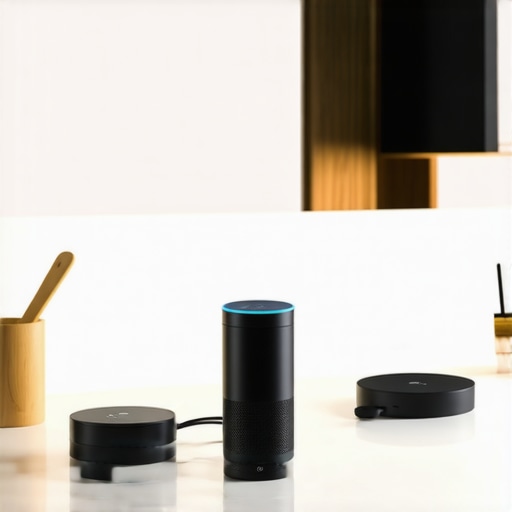
Think of your kitchen upgrade as building a puzzle. Begin with simple, impactful pieces like a smart plug for your coffee maker or a Wi-Fi-enabled light bulb. These are affordable and easy to set up, turning regular appliances into smart ones. I once used a smart power strip for my countertop appliances, which allowed me to control them remotely and schedule their operation to save energy. This simple step made a noticeable difference in convenience and power bills.
Assess Compatibility Before Investment
Imagine buying a fancy new dishwasher that won’t connect to your existing network—that’s like trying to fit a square peg in a round hole. To avoid this, check device compatibility with your home Wi-Fi and smart home ecosystem. When I chose my smart refrigerator, I read reviews and confirmed it worked with Alexa, ensuring seamless control. Use resources like expert tips to guide your selection.
Prioritize Functionality Over Features
It’s tempting to go for the latest gadgets boasting hundreds of functions, but focus on what truly simplifies your life. For example, a smart washing machine with an app that lets you start, stop, and monitor cycles is invaluable. I installed a smart washer that sends notifications when laundry is done, freeing me from constant checking. Check out this guide to understand which features are worth your money.
Install and Configure with Purpose
Setting up smart appliances isn’t just plug and play; it requires deliberate configuration. During my setup, I created custom routines: morning coffee timing, refrigerator temperature alerts, and laundry reminders. Use your app’s settings to tailor each device to your routine, which maximizes benefits. Remember to secure your Wi-Fi network and review privacy settings (privacy policies) to keep your smart home safe.
Leverage Automation and Scheduling
Automation is the backbone of a smart kitchen. Program your devices to operate during off-peak hours, reduce waste, and save money. I scheduled my dishwasher to run late at night, taking advantage of lower energy rates—learn more about optimal scheduling here. Similarly, set your smart refrigerator to alert you when stocks are low or perishables are nearing expiration, minimizing food waste.
Maintain, Evaluate, and Upgrade Incrementally
Smart kitchen management is ongoing. Regularly update device firmware to access new features and security patches—my experience with my smart oven’s updates improved cooking precision. Evaluate which devices genuinely save time and energy, and don’t hesitate to replace or upgrade as new technologies emerge (trends to watch). This way, your kitchen remains efficient without unnecessary expenditures or clutter.
Many believe that smarter appliances automatically mean better performance, but let’s dig deeper into some common misconceptions. First, there’s the myth that all smart refrigerators are worth their hefty price—while some models offer advanced features, many simply add convenience without real cost savings. In fact, some expensive models struggle with connectivity issues or overcomplicate routine tasks, leading to frustration rather than convenience. For example, constantly disconnecting from Wi-Fi can negate the intended benefits, a mistake I personally learned the hard way when my smart fridge kept dropping its connection, highlighting the importance of choosing devices with proven reliability. Additionally, many focus solely on the technological bells and whistles, but fail to consider how user-friendly and energy-efficient a device truly is. Excessive features often lead to unnecessary complexity, and in some cases, higher energy consumption. It’s also a common misconception that smart appliances are always secure; however, they pose potential privacy risks if not properly managed, as detailed in security reviews of connected devices. Many overlook that maintaining security involves regular firmware updates and strong Wi-Fi passwords—something I emphasize in my guide on smart home privacy policies. Have you ever fallen into this trap? Let me know in the comments. Remember, the key to leveraging the full potential of your appliances is understanding the nuances beyond the hype, ensuring they truly serve your needs without hidden drawbacks.
Investing in Reliable Tools for Long-Term Performance
Maintaining smart home appliances like washing machines, dishwashers, and refrigerators requires the right tools and routines. I personally rely on a high-quality multimeter to troubleshoot electrical issues quickly, especially when a device exhibits intermittent connectivity or inconsistent performance. A multimeter allows me to test voltage outputs and identify faulty power supplies, preventing unnecessary service calls. For software issues, I use device-specific apps regularly to check for firmware updates, which often fix bugs and improve functionality. Ensuring your appliances stay updated is crucial — manufacturers frequently release patches that enhance security and performance.
How do I maintain my appliances’ health over time?
Start with routine cleaning and inspections. For example, I schedule biannual deep cleans for my refrigerator’s water dispenser with a vinegar solution to prevent mold and mineral buildup, which can impair performance and lead to leaks. Additionally, keeping drain filters clean in dishwashers and washing machines prevents clogs and reduces strain on motors. Using specialized cleaning tablets or brushes for these components ensures thorough maintenance. Regularly checking door seals, like the ones I inspect monthly for my refrigerator, prevents energy loss and frost buildup, extending the appliance’s life.
Sophisticated tools that expert homeowners swear by
To monitor long-term performance, I depend on smart diagnostic tools like the Fridge Check by LG or Samsung’s SmartThings device manager. These apps track usage patterns and alert me to anomalies before appliances fail. Investing in a smart outlet with energy monitoring — such as the TP-Link Kasa — helps me identify which devices are consuming excessive power, ensuring I don’t waste energy or jeopardize the device’s health. For instance, I discovered my dishwasher’s motor was weakening because it was drawing more current, prompting a timely repair rather than a costly surprise later. Reviewing energy consumption with such tools also supports an eco-friendly lifestyle and cuts bills.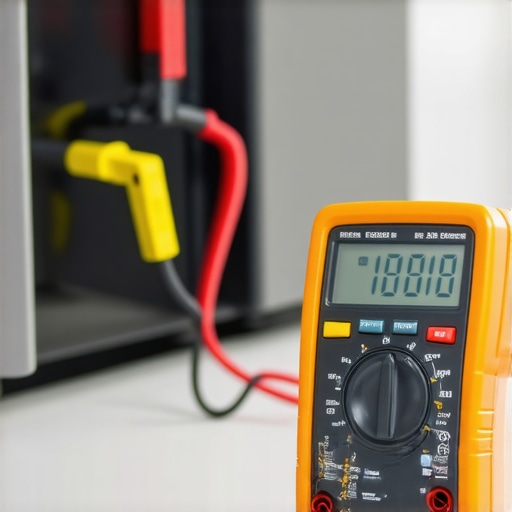
Predicting Trends in Appliance Maintenance
Looking ahead, I see a surge in IoT-integrated diagnostic systems that can predict failures before they happen, much like predictive analytics in industrial machine maintenance. Companies are investing heavily in AI-powered sensors that monitor vibrations, temperature, and power draw, providing real-time insights through apps. This proactive approach minimizes downtime and reduces repair costs, ensuring appliances remain reliable longer. I recommend trying out brands that already offer these features, like GE with their smart diagnostics, to give your appliances a fighting chance at a long, healthy life.
By adopting advanced troubleshooting tools and maintaining a routine schedule, you will significantly extend your appliances’ lifespan and keep them performing at peak levels. Don’t wait for a breakdown — start integrating these maintenance practices today and enjoy the peace of mind that comes with a smoothly running smart home. For more expert advice, consider exploring the detailed guides on this page about washing machine care.
The Hardest Lesson I Learned About Smart Appliances
Initially, I believed more advanced features meant better performance. However, I discovered that overly complex gadgets often lead to frustration, especially when they disconnect or malfunction—an experience shared by many. Simplifying my setup and focusing on essential features proved more effective than chasing every new upgrade.
Why Compatibility Can Make or Break Your Smart Kitchen
Choosing devices that seamlessly integrate is crucial. I once bought a smart refrigerator incompatible with my smart home hub, rendering it less functional. Researching compatibility beforehand saved me time and money, ensuring all appliances worked together harmoniously.
Patience Pays Off in Smart Appliance Maintenance
I underestimated the importance of routine firmware updates. Neglecting these led to security vulnerabilities and performance issues. Regularly updating my devices kept them secure and running smoothly, emphasizing that maintenance is an ongoing process, not a one-time task.
Value in Thoughtful Investment Over Hype
It’s tempting to buy the latest model with all the bells and whistles, but I found that investing in proven, reliable appliances yields better long-term benefits. Prioritizing quality over quantity ensures your smart kitchen remains efficient and stress-free.
Curated Resources to Elevate Your Kitchen Game
- Ultimate Guide to Smart Appliances: Offers comprehensive insights into selecting and maintaining smart devices. I trust this because it combines expert reviews with real-world experiences, helping me make informed decisions.
- Smart Appliance Compatibility Checklists: Ensures my devices work together without hiccups. I rely on these checklists for peace of mind before making purchases.
- Firmware Update Tips for Security & Performance: Keeps my appliances safe and efficient. I follow their step-by-step advice with success.
Embrace Your Smart Kitchen Journey Today
Transforming your kitchen into a modern, efficient space is entirely within reach. With patience, research, and a focus on practicality, anyone can enjoy the benefits of smart appliances. Take that first step—your future self will thank you for making your home smarter and your routine simpler.
How about you—what smart appliance upgrade are you most excited to try? Let me know below.