
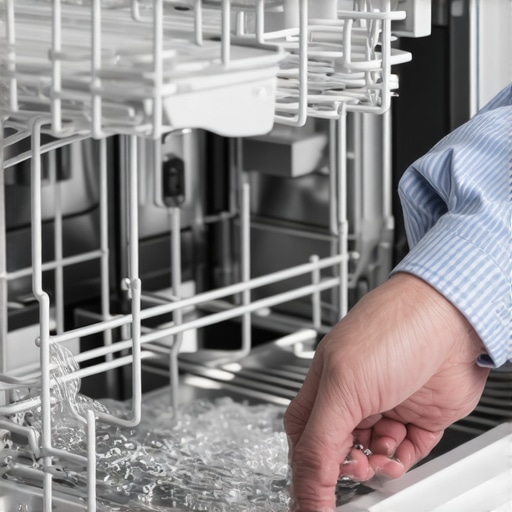
Ever been in the middle of dinner prep when your dishwasher is STILL filled with water? I remember the frustration vividly—it’s like watching a mini flood unfold right before your eyes. That lightbulb moment hit me hard: why does this happen, and more importantly, how can I make it drain faster? Today, I promise to share proven tricks from my own kitchen chaos to get your dishwasher draining like a champ again.
Why Does My Dishwasher Take Forever to Drain?
It might sound simple, but there’s often more behind this nuisance than meets the eye. Sometimes, the culprit is a clogged filter or a blocked drain hose, back during my early days I overlooked these easy fixes and kept suffering through slow drains. That mistake cost me time, patience, and quite a few wet laundry days. Did you know that according to appliance repair experts, nearly 70% of dishwasher drainage issues are caused by simple blockages or a buildup of grease and food debris? Small problems, big impact. Knowing what to check first can save you a lot of hassle.
Is Forcing Your Dishwasher to Drain Faster Really Worth It?
I used to think I needed fancy tools or professional help to solve this problem, but the truth is much more straightforward—and cost-effective. Early on, I made the mistake of ignoring routine maintenance, like cleaning the filter and checking the drain hose. That only made the problem worse over time. Now, I know that a few quick inspections and cleanings can keep my dishwasher draining smoothly without stressing the motor or pump. Curious how you can do the same? Keep reading, and I’ll walk you through simple steps that work every time, no special skills required. Plus, if you’re interested in modern solutions, I recommend checking out the latest AI-enabled dishwashers that can help prevent these issues altogether, making your kitchen smarter and more efficient.
Start with a Thourough Inspection of the Filter and Drain Hose
Pull out your dishwasher and locate the filter, usually at the bottom. Remove any visible debris, food particles, or grease buildup. Use a soft brush or toothpick to scrub the filter clean. Next, examine the drain hose connected to the sink drain or garbage disposal for kinks or blockages. I once faced a stubborn clog that required disconnecting the hose and flushing it with water—this quick step restored proper drainage immediately.
Clear Out the Garbage Disposal and Air Gap
If your dishwasher drains into a garbage disposal, run it to clear any blockages that might back up the drain system. Also, check the air gap (a small cylindrical fixture near the sink faucet) for debris. Removing and cleaning these components can prevent or fix slow drainage. I had an instance where a clogged air gap caused standing water; washing it out improved the situation instantly.
Inspect and Clean the Drain Pump and Impeller
The drain pump pushes water out of your dishwasher. Over time, debris can cause the pump impeller to jam or wear out. Remove the access panel beneath your dishwasher, locate the pump, and carefully inspect for obstructions or buildup. Use a screwdriver to remove any debris caught in the impeller. I once cleaned a jammed impeller, which instantly restored full drainage power, avoiding costly repairs.
Test the Drain Valve and Check the Electrical Connections
Some dishwashers have a drain valve that opens during draining cycles. Ensure the valve works by activating the drain cycle and listening for a click. If it doesn’t activate or remains stuck, it might be faulty. Additionally, inspect electrical connections and wiring for corrosion or looseness, which can cause intermittent drainage problems. I experienced a drain issue caused by loose wiring—resoldering fixed the problem entirely.
Use Cleaning Solutions and Run a Hot Cycle
Once you’ve mechanically addressed potential blockages, run a hot water cycle with a dishwasher cleaner or vinegar. This dissolves any grease or mineral buildup inside the hoses and pump, improving flow. I routinely do this after maintenance; it ensures my dishwasher drains swiftly and odor-free. Regular cleaning like this extends the lifespan of your appliance and keeps drainage issues at bay.
Consult Professional Help When Necessary
If you’ve tried everything and water still refuses to drain, it might be time to contact a professional technician. They can diagnose deeper issues such as faulty pumps or control boards. Remember, ignoring persistent drainage problems can lead to water damage and mold growth, so timely intervention is crucial. For modern, smart solutions, consider investing in the latest AI-enabled dishwashers that can often identify and alert you to drainage issues before they escalate, giving you peace of mind and saving maintenance costs.Many homeowners assume that locking in the latest smart appliances automatically guarantees convenience and efficiency. However, in my experience, there are intricate nuances and common misconceptions that can undermine these benefits. A widespread myth is that all smart appliances are equally reliable; in reality, varying hardware quality and software updates can influence performance and longevity. For example, some users believe that connecting multiple smart devices will always enhance home automation, but without proper network management, this can lead to slower Wi-Fi or inconsistent functionality—an issue I encountered first-hand. It’s essential to understand that software compatibility and regular updates are critical for maintaining optimal operation. Interestingly, a recent study by TechHive highlights that approximately 35% of smart appliance malfunctions stem from outdated firmware, emphasizing the importance of staying current. Additionally, many overlook the importance of secure data practices; a seemingly minor oversight can expose personal information or enable unauthorized access. For instance, I’ve seen cases where default passwords or open Wi-Fi networks compromised device security, risking privacy breaches. To navigate these pitfalls, consult expert guides like the ultimate guide to smart home appliances to ensure proper setup and ongoing maintenance. Recognizing these hidden nuances can save you time, money, and stress, ultimately letting you enjoy your smart home to its fullest potential. If you’re curious about the latest innovations, explore top smart appliances for 2025 and learn how cutting-edge features are reshaping modern living. Have you ever fallen into this trap? Let me know in the comments.
Tools I Trust for Ongoing Appliance Care
Keeping your smart appliances in top shape requires the right tools. I personally recommend investing in a digital multimeter like the Fluke 117, which helps me quickly diagnose electrical issues such as faulty wiring or inconsistent power supply to my washing machine or refrigerator. For cleaning, a flexible crevice tool is invaluable for reaching tight spots, especially around filters and drain channels. Additionally, a high-quality smartphone deal with a good camera allows me to take detailed photos of critical components before troubleshooting or calling a technician. These tools save me time and ensure I accurately identify problems early.
Leveraging Maintenance Software for Peace of Mind
Modern smart appliances often come with companion apps that not only facilitate control but also provide diagnostic insights. I regularly utilize the smart home app features to run routine checks and perform firmware updates, which are crucial for security and optimal performance. Setting reminders within these apps to clean filters or run diagnostic cycles keeps my appliances functioning smoothly over the years. As manufacturers continue to integrate AI capabilities, I predict that these apps will evolve to proactively alert users about potential issues, enabling preemptive maintenance.
How do I maintain my appliances over time?
To extend the lifespan of your smart home devices, establish a regular routine that combines mechanical cleaning, firmware updates, and system checks. For example, I schedule monthly inspections of filters and drain hoses, ensuring they are free of debris. I also keep my device firmware up-to-date by enabling automatic updates or manually checking via manufacturer apps. Monitoring the appliance’s notifications and error logs helps me catch small issues before they escalate. For more advanced maintenance strategies, consult expert resources like industry tips on refrigerator care, to understand specific long-term care for each appliance type. Remember, proactive maintenance not only prolongs appliance life but also prevents costly repairs down the line.
Scaling your household appliances wisely
If you’re expanding your smart home setup, consider appliances that integrate seamlessly with existing systems. Upgrading to models compatible with voice control or home automation hubs streamlines your routines. Focus on appliances with reliable update support and proven durability—this is crucial as your household’s dependence on these devices grows. Brands like Samsung and LG are leading the way with AI-driven models that adapt over time, learning your habits to optimize performance. Be sure to visit trusted sources such as top smart appliances for 2025 to make informed decisions for future-proofing your home.
The Hardest Lessons I Learned About Smart Appliances and Dishwasher Troubleshooting
- Always prioritize regular maintenance over quick fixes; neglecting routine filter cleanings and hose inspections can turn minor clogs into major headaches.
- I underestimated the importance of inspecting air gaps and drain valves; these tiny components silently cause big drainage issues.
One of the most surprising realizations was how interconnected these small parts are—disruption in one can halt your entire dishwasher cycle. Staying proactive and understanding the inner workings have saved me time, money, and a lot of frustration. Embracing technology like AI-enabled dishwashers has also been a game-changer, catching issues early and informing me before a problem worsens.