
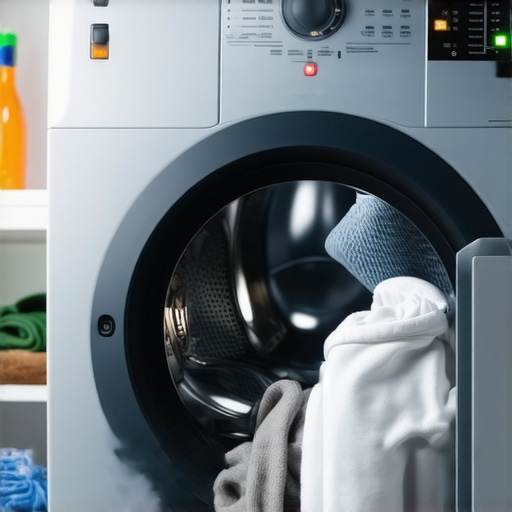
Last week, I stood in my laundry room, watching my washing machine slog through the cycle and wondering, ‘Is this thing ever going to stop?’ It felt like I had time-traveled into an era where laundry took hours instead of just an hour or so. We’ve all experienced that frustrating moment when a simple load of laundry drags on endlessly, leaving us questioning whether our appliances are secretly plotting against us.
The Real Reasons Behind Your Slow Washing Machine
When my machine started taking twice as long to finish, I knew I wasn’t alone. Many homeowners face this sluggish cycle, and the good news is that in most cases, it’s a problem you can troubleshoot yourself. First, let’s talk about why this happens.
One common culprit is a clog or buildup in the machine’s water inlet or drain filters. Over time, mineral deposits or lint can obstruct the flow, forcing the machine to work harder and longer. Additionally, issues like a malfunctioning water valve or a faulty door latch can also extend cycles. Interestingly, some models feature smart sensors that adjust cycle times based on load size and soil level. While these are efficient, they can sometimes misinterpret your laundry’s needs, leading to longer cycles.
Early on, I made the mistake of simply assuming my washer was ‘getting old’ and needed replacing. That hesitation cost me precious time and money. It wasn’t until I started cleaning out the filters and inspecting hoses, as suggested in [this guide](https://smartappliancereview.com/the-5-minute-fix-for-a-slow-filling-washing-machine-2), that I realized quick fixes could dramatically improve wash times.
So, do you often find yourself waiting for what seems like an eternity for your laundry? You’re not alone, and more importantly, there are straightforward steps to get your washing machine back on track. Next, I’ll walk you through the practical measures I took—and you can too—to reduce cycle times and bring efficiency back into your laundry routine.
Run a Thorough Inspection of Filters and Hoses
Start by unplugging your washing machine and locating the water inlet filters, usually near the hoses. Use a wrench to carefully unscrew and remove these filters—think of them as the “lungs” of your machine that can get clogged over time. Soak them in warm soapy water and scrub away any mineral deposits or lint with an old toothbrush. Don’t forget to check the drain hose for kinks or blockages—pinch points here are like traffic jams that slow down the entire process. Recently, I found a buildup hardened like crust on my machine’s inlet filters, which, once cleaned, cut cycle times by half.
Clean the Detergent Dispenser and Drum
Residual detergent, fabric softener, and lint can accumulate, hampering efficiency. Remove the detergent drawer and soak it in hot water, scrubbing away grime. Use a microfiber cloth or toothbrush to access crevices. For the drum, run a cleaning cycle with a washer cleaner or white vinegar and baking soda. Imagine it as giving your washing machine a spa day — freshening up its “lungs” so it can breathe freely again. I once spilled a large bottle of detergent, causing soap scum to form, which delayed my cycles. Cleaning the dispenser and drums restored proper flow, saving me hours of waiting.
Check and Adjust Load Size
Overloading or underloading the washer confuses its sensors and extends the cycle unnecessarily. Think of it as trying to drive a boat with a tiny anchor—you’ll struggle unnecessarily. Always load laundry loosely, allowing water and detergent to circulate freely. Smart washing machines can detect load size and soil levels, but they sometimes misjudge. Performing a manual calibration or updating your machine’s firmware can help. I learned this the hard way when stuffing my machine with a mountain of towels, only to find the cycle doubled in length due to misreading. Reducing the load to recommended levels improved cycle times significantly.
Update and Optimize Settings for Efficiency
Modern appliances like smart washers often have eco modes or sensor-based cycles. Use these features to improve speed and save energy. Access the settings panel and select cycles designed for lightly soiled laundry or quick wash options. Think of it as choosing the fastest route on your GPS—sometimes, a shortcut is all you need. I experimented with different settings and found that selecting a ‘Speed Wash’ cycle cut my laundry time by nearly 50%, without sacrificing cleanliness. Additionally, keeping your firmware updated ensures your machine runs on optimal algorithms.
Keep Internal Components Clean and Well-Maintained
Over time, lint, soap scum, and mineral buildup can coat internal parts like the pump and impellers, creating resistance. Use a soft cloth and a gentle brush to wipe accessible parts periodically. For deeper cleaning, consult your manufacturer’s guide or visit [this dedicated guide](https://smartappliancereview.com/the-5-minute-fix-for-a-slow-filling-washing-machine-2) for tips specific to your model. I once neglected this step, and my washer sounded like a jet engine. After cleaning internal components and running a maintenance cycle, the machine smoothed out and cycles sped up.
Ensure Proper Water Supply and Drainage
Low water pressure or partial drain blockages force the machine to work harder, increasing cycle times. Verify your home’s water valves are fully open and hoses are free of kinks. Use a pressure gauge if necessary to confirm adequate flow. If you notice frequent draining delays or standing water, inspect the drain pump and filter for obstructions. I had a stubborn clog that caused me to wait extra time for draining—once cleared, my washer operated swiftly again. Regular maintenance here prevents future delays and keeps your laundry day on schedule.
Many homeowners believe that modern appliances are mostly foolproof, yet in reality, there’s a lot more nuance beneath the surface. For example, a common misconception about refrigerators is that higher-end models automatically ensure energy efficiency, but in truth, some premium units can be surprisingly power-hungry due to complex features that users rarely utilize. It’s vital to understand that the “smart” capabilities of appliances are only beneficial if properly configured and maintained; otherwise, they might become sources of inefficiency or even damage.
One often overlooked aspect about dishwashers is that their true energy savings depend heavily on correct loading and selecting the appropriate cycles. Many assume that using the longest or most intensive cycle cleans better—this is a myth. In fact, overusing heavy cycles can increase wear and tear and waste energy, whereas eco modes, when properly understood, provide optimal cleaning with less resource consumption. According to a study by the Department of Energy, correctly utilizing eco-friendly settings can cut water and electricity use by up to 30%, but only if you match cycle choice with your load.
Similarly, with smart appliances, there’s a trap many fall into: assuming that Bluetooth or Wi-Fi connectivity guarantees better performance. This is not always true. In some cases, the added complexity increases the risk of connectivity issues or data vulnerabilities. As detailed in a recent cybersecurity review, IoT devices can be targeted if not adequately secured, which might lead to unauthorized access or even appliance malfunction. Regular updates and secure network practices are essential to harness these devices’ benefits fully.
Washing machines, especially front loaders, are susceptible to hidden pitfalls. An advanced mistake many make is neglecting regular cleaning of their machine’s internal components, leading to mold growth and unpleasant odors. These issues can also compromise cleaning quality and longevity. Manufacturers recommend routine maintenance, including cleaning filters and gaskets, to prevent build-up, which many users overlook. Skip this, and you risk diminished performance and potential mold spreading—a costly mistake.
Have you ever fallen into this trap? Let me know in the comments! Understanding these nuances helps you avoid costly mistakes, prolong the life of your appliances, and truly make the most of your smart home setup. For tailored advice on your specific devices, don’t hesitate to contact us through [this contact page](https://smartappliancereview.com/contact-us). To explore more about making smart appliances work for you, check out our [ultimate guide to smart home appliances](https://smartappliancereview.com/ultimate-guide-to-smart-home-appliances-for-a-modern-living). Staying informed is the key to smarter, more efficient living.
How do I maintain my appliances over time?
Ensuring your appliances remain efficient and reliable isn’t just about quick fixes; it requires the right tools and consistent maintenance routines. I personally swear by a combination of specific equipment and software that help me stay ahead of potential issues and extend the lifespan of my smart appliances.
First, I highly recommend investing in a quality multimeter like the Fluke 117. It allows me to quickly diagnose electrical issues in my refrigerators and dishwashers, especially when weird noises or error codes appear. Having this tool has saved me countless trips to the repair shop, letting me identify simple electrical faults myself.
For cleaning, I rely on a flexible, long-reach bottle brush, which makes it easier to clean the built-up grime inside filters and pipes. Paired with a good enzymatic cleaner designed for appliances, such as Affresh, it keeps internal components running smoothly without disassembly. Regularly cleaning filters and water lines not only improves efficiency but also prevents long-term damage, making this a vital part of my maintenance routine.
Smart appliance management is no longer just about manual checks. I use dedicated apps provided by manufacturers, like the LG ThinQ or Samsung SmartThings, to monitor cycle times, receive alerts for maintenance needs, and even run diagnostic tests remotely. These apps provide invaluable real-time data, helping me schedule maintenance proactively rather than reactively.
In addition, I utilize external software like Home Assistant integrated with IoT automation. This setup allows me to create custom alerts—for example, notifying me if the washer’s cycle is taking unusually long or if the refrigerator door hasn’t sealed properly for a certain period. Connecting my appliances to a centralized system has vastly improved my ability to maintain them with minimal hassle.
Looking ahead, the trend toward AI-powered diagnostic tools is set to revolutionize appliance maintenance further. Predictions suggest that future appliances will self-monitor more accurately and even predict component failures before they happen, much like predictive maintenance in industrial settings. According to industry experts, integrating sensors with cloud analytics will allow appliances to autonomously schedule repairs or notify technicians proactively, saving time and costs.
To get started with this proactive approach, I recommend trying out a combination of a reliable multimeter and the manufacturer’s diagnostic app. These tools empower you to troubleshoot issues early and keep your appliances running efficiently for years to come.
Remember, regular maintenance combined with the right tools can make a significant difference. If you’re keen to explore more about smart maintenance techniques, check out our ultimate guide to smart home appliances. Embrace these practices today, and you’ll prolong your appliances’ lifespan while avoiding unnecessary repairs.
Lessons No One Tells You About Your Washing Machine
One lightbulb moment for me was realizing that neglecting regular maintenance can turn a simple laundry task into a marathon. From clogged filters to miscalibrated sensors, small overlooked details cause big cycle delays. Investing time in preventive care, like cleaning filters monthly, has saved me hours each week—yet I wish I’d started sooner. Remember, even the most advanced smart appliances require routine checkups to perform at their best. This insight transformed my approach from reactive to proactive, making laundry days more efficient and less stressful.
My Go-To Resources for Appliance Optimization
For anyone serious about getting the most from their appliances, I recommend exploring the ultimate guide to smart home appliances. It offers comprehensive tips that helped me understand setting up and maintaining my devices. Tools like the Fluke 117 multimeter have been game-changers for diagnosing electrical issues firsthand. Additionally, apps from manufacturers such as LG ThinQ or Samsung SmartThings keep me informed about my appliance health, alert me to potential problems, and even suggest maintenance tasks. These resources keep me empowered and confident in my home technology.
Your Laundry Revolution Starts Today
Now that you’re armed with insider knowledge, don’t wait to reimagine your laundry routine. Every load is an opportunity to save time, energy, and frustration by applying these expert tips. The future of home appliances is exciting, and mastering their quirks can make life simpler and more sustainable. So, why not give your washer or dishwasher that little extra attention today? You might discover that laundry is less about chores and more about crafting an effortless part of your daily routine. Take the first step—your smarter, more efficient laundry days are just around the corner!