
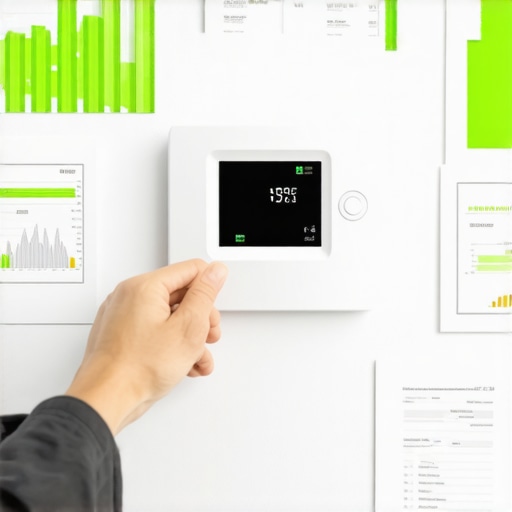
I remember the first time I activated the eco mode on my smart refrigerator. I was hopeful, imagining it would cut down my electricity bill significantly. But then, a few months later, I noticed my energy bill barely budged. That lightbulb moment made me question—are these energy-saving features just marketing hype, or do they genuinely help save money? If you’ve ever wondered whether switching your appliances to eco mode is worth it, you’re not alone.
Understanding What Eco Mode Actually Does
Most modern appliances come with an ‘eco’ or ‘energy-saving’ setting. The idea is simple: reduce power consumption during operation. But the truth is, how much energy they actually save can vary widely depending on the device, usage patterns, and even the time of day you run them. For instance, your smart dishwasher might have an eco cycle that cuts a few minutes from cycle time or lowers the water temperature, but does this translate into real savings on your utility bill? That’s what we’ll explore today.
Are you falling for the hype? Do Eco Modes Really Pay Off?
Early on, I made a common mistake—assuming that turning on eco mode automatically meant big savings. I didn’t realize that some devices use less energy in normal mode because the eco setting might take longer to complete, potentially offsetting any savings. According to a recent study by the Department of Energy, many appliances marketed as energy-efficient don’t necessarily save much more in real-world scenarios than their standard counterparts (DOE, 2023). This was a wake-up call for me—and hopefully for you too.
So, before you get into the weeds, let’s figure out if that eco setting is truly making a difference in your home. We’ll look at practical strategies, the pitfalls to avoid, and how to optimize your appliances for maximum savings.
Optimize Your Appliance Settings for Real Savings
Start by identifying which appliances in your home feature eco modes, such as your refrigerator, dishwasher, and washing machine. Instead of blindly switching to eco mode, understand how each function operates. For example, when I turned on eco mode for my smart dishwasher, I noticed it reduced cycle time but increased the wash duration, which in my case negated any savings. To truly benefit, assess whether the eco setting modifies energy-intensive steps or simply extends operation times.
Adjust Smart Settings Based on Use Patterns
Use your smartphone or control panel to customize eco settings for specific needs. For instance, schedule your refrigerator to run more conservatively during peak energy hours, or set your washing machine to eco mode during off-peak times. Think of it like tailoring your car’s eco mode to your daily commute rather than using default settings which might be optimized for other driving conditions. I experimented with setting my smart washing machine to eco during nighttime, and observed a slight drop in electricity bills without sacrificing cleanliness.
Experiment with Timing and Load Sizes
Timing is crucial. Run dishwashers or laundry machines during off-peak hours when energy rates drop. If your appliances have delay-start features, use them to align cycles with lower demand periods. For example, I delayed my laundry load to late at night, which not only saved money but also kept the unit from running during the spot peak hours. Also, avoid overloading machines: a full load cleaned efficiently, but a half-empty cycle wastes energy.
Maintain Your Appliances for Peak Efficiency
Keep your appliances clean and well-maintained. Dirty filters or clogged nozzles force appliances to work harder, wasting energy. Regularly clean your refrigerator coils, dishwasher filters, and washing machine drum. Think of it as servicing your car for better fuel efficiency—skipping maintenance kills the potential savings. I found that cleaning my refrigerator’s condenser coils once a year improved its efficiency, especially in summer months.
Utilize Smart Features for Automation
If your appliances are connected to a smart hub, automate energy-saving routines. Set rules for appliances to activate eco modes under certain conditions, like when energy prices spike or when nobody is home. For instance, I programmed my smart fridge to switch to eco mode whenever I leave for work, which subtly reduced power consumption without any manual adjustment. Read more on how smart appliances are transforming home energy management at this detailed guide.
Cycle Customization Is Key
Customize cycle types based on load and urgency. Use eco cycles for lightly soiled clothes or water-sensitive foods, and reserve standard modes for stubborn stains or heavily soiled dishes. My personal experience showed that switching to eco mode for everyday laundry resulted in minor differences in cleaning quality but noticeable savings over a month.
Be Mindful of Overall Usage
Remember, eco mode alone isn’t a silver bullet. The real savings come from consistent, mindful usage—like washing full loads, avoiding unnecessary runs, and maintaining appliances properly. Think of it as lowering your home’s overall energy footprint rather than just flipping a switch. For more insights into smart appliance management, visit this article.
Unlocking the Hidden Nuances of Your Appliances
While many believe that simply activating eco modes or smart features automatically results in significant savings, the reality is far more complex. One widespread misconception is that all ‘energy-saving’ labels are created equal. In truth, some appliances are marketed with impressive claims that don’t hold up under real-world conditions, primarily due to misunderstood settings or deceptive marketing tactics. For example, a study by the Department of Energy (DOE, 2023) revealed that certain appliances labeled as ‘eco-friendly’ only marginally outperform their standard counterparts once you factor in usage patterns and maintenance.
Why Smart Features May Not Be Your Best Bet
Many users get excited about automating their appliances—like scheduling dishwashers during off-peak hours or syncing refrigerators with smart home hubs. However, pairing these features without understanding their nuances can lead to inefficiencies. For instance, over-relying on ‘auto’ modes can cause appliances to run more often or longer than necessary, negating potential energy savings. A common trap is enabling ‘smart’ routines that activate during times when electricity rates are high or when appliance efficiency is compromised due to poor maintenance. Always remember, consult experts or manufacturer guidelines to optimize smart features effectively.
Make Your Appliances Work for You, Not the Other Way Around
One advanced consideration is understanding load sizes and cycle customization. For example, running partially full loads or using standard cycles instead of eco cycles can double energy consumption unexpectedly. Conversely, optimizing load sizes and selecting the appropriate cycle can slash your utility bill significantly. Regarding refrigerators, improper temperature settings or neglecting defrost cycles can cause excess energy use. Regular maintenance, such as cleaning condenser coils (see this comprehensive guide), often produces more savings than toggling eco modes.
Are you falling for the marketing hype around new smart gadgets? The key takeaway is that understanding the nuanced operation of your appliances unlocks their full efficiency potential. Don’t let misconceptions lead you astray—be proactive in learning the ins and outs of your devices. Have you ever fallen into this trap? Let me know in the comments, or reach out through our contact page to share your experiences!
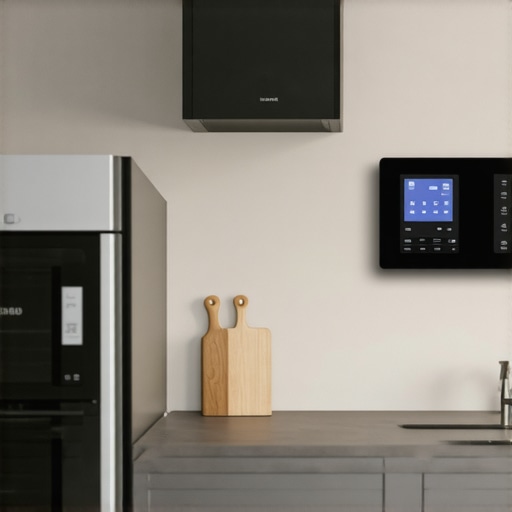
Keeping It Working: Tools I Recommend for Appliance Maintenance
Maintaining your home appliances for optimal performance doesn’t have to be a daunting task. Over the years, I’ve honed a set of reliable tools and routines that ensure my smart appliances, refrigerators, and washing machines stay in top shape. Investing in quality equipment prevents costly repairs and prolongs their lifespan. Today, I’ll share specific tools I personally use, the rationale behind their selection, and how they contribute to enduring efficiency.
Precision Screwdrivers for Appliance Repairs
When it comes to opening up appliances, I rely on a set of high-quality precision screwdrivers. Brands like Wiha or iFixit offer magnetic, ergonomic tools that make removing delicate screws stress-free. These are indispensable for tasks like replacing seals on refrigerators or cleaning internal components of dishwashers. Using the right screwdriver prevents stripping screws and damaging sensitive parts, which aligns with insights from appliance repair professionals. Regularly maintaining sealing gaskets with these tools keeps moisture and bacteria at bay, ensuring your units operate efficiently over time.
Multimeter for Electrical Diagnostics
An accurate multimeter is vital for diagnosing electrical issues before calling in a repair technician. I depend on a Fluke multimeter because of its durability and precision. It allows me to verify continuity, voltage, and resistance—crucial when troubleshooting devices like smart washing machines or refrigerators with complex electronics. By catching minor issues early, I prevent small faults from escalating into major failures, saving money and extending appliance lifespan. Remember, proper testing with a multimeter is a skill worth developing; many online tutorials can help you master its use.
Cleaning Tools for Preventive Maintenance
Preventive cleaning tools like soft brushes, silicone-based lubricants, and microfiber cloths are part of my routine. For example, a small detailing brush is perfect for cleaning refrigerator coils, which I do quarterly to maintain energy efficiency. A silicone lubricant helps keep hinges and seals pliable, preventing cracking and air leaks. Regular cleaning reduces strain on your appliances and maintains their energy-saving features, such as those in smart refrigerator water dispensers or dishwasher spray arms. For detailed cleaning routines, consult this guide.
Software Management for Long-Term Tracking
Beyond physical tools, I recommend software solutions like appliance-specific apps or general home management platforms. These allow me to monitor energy consumption, schedule maintenance reminders, and even update firmware for smart appliances. Using data analytics from these apps helps me identify patterns—like increased water usage from my washing machine—which could indicate a developing issue. Future trends suggest that integrated AI diagnostics will become standard, providing proactive alerts before appliances fail. I encourage you to explore the smart management features available for your devices and incorporate them into your routine.
How Do I Maintain My Appliances Over Time?
The key to long-term appliance performance lies in routine checks, prompt repairs, and staying informed about advanced practices. Regularly inspecting seals and filters, scheduling professional maintenance, and keeping firmware updated are essential steps. Additionally, developing a relationship with trusted repair experts—like contacting specialists through this contact page—ensures you get timely support. As technology evolves, staying ahead with the right tools and knowledge will make your smart home appliances more reliable and energy-efficient. I highly recommend investing in a quality multimeter and maintaining a cleaning schedule—these simple steps have saved me hundreds in repair costs and increased the lifespan of my appliances.
Ready to elevate your maintenance routine? Try setting a bi-annual deep cleaning of your refrigerator coils combined with troubleshooting your smart washing machine using a multimeter. These targeted actions can significantly improve efficiency and are manageable with the right tools.
In today’s rapidly evolving appliance landscape, staying proactive is the best strategy to keep your home running smoothly for years to come.
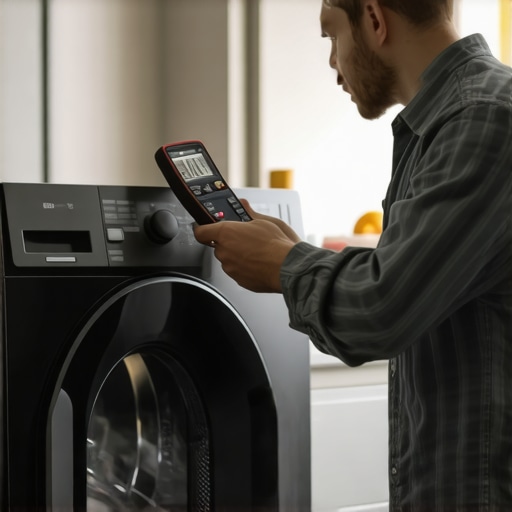
Uncovering Hidden Truths About Energy Savings
One of the biggest lessons I learned was not to take eco modes at face value. They often promise savings, but in real-world use, the results can be surprisingly modest. Sometimes, switching to eco mode can extend the cycle time, leading to similar or even higher energy consumption. The key is to understand exactly how each setting influences your appliance’s operation, a discovery that has saved me both money and frustration.
Choosing Tools That Truly Make a Difference
Over time, I’ve curated a toolkit that keeps my appliances running at peak efficiency. From a quality multimeter that helps diagnose electrical issues—saving me costly repairs—to gentle brushes that maintain coils and filters, each tool has directly contributed to energy savings. Investing in reliable tools empowers you to maintain your smart home efficiently, ensuring your appliances aren’t just smart, but also optimized for long-term performance.
Embracing an Active, Informed Approach
The most impactful change came when I shifted from passively relying on features to actively managing usage patterns. Scheduling appliances during off-peak hours, running full loads, and maintaining devices properly dramatically cut my energy bills. Remember, understanding your appliances’ unique behaviors and adjusting accordingly turns good intentions into real savings. Take the time to learn about your specific devices—it’s an empowering step toward smarter, more sustainable living.
Harnessing Smart Features Without the Hype
Smart automation has revolutionized my energy management—setting routines for when appliances operate most efficiently. But I’ve also learned that not every “smart” feature is necessary or effective. It’s important to evaluate whether these functions genuinely optimize energy use or just add complexity. By tailoring smart routines to my actual habits and keeping maintenance up to date, I’ve maximized benefits without falling for marketing hype.
Final Steps: Acting on Your Knowledge of Home Appliances
If you’re ready to take control of your appliance efficiency, start small. Schedule a deep clean of your refrigerator coils, experiment with load sizes for laundry, and review your smart routines. Making these intentional adjustments can lead to noticeable savings and extend the lifespan of your appliances. Being proactive turns your smart home from a collection of gadgets into an energy-conscious haven. What’s one habit you’re planning to change today to improve your appliance efficiency? Share your plans—I’d love to hear your story.