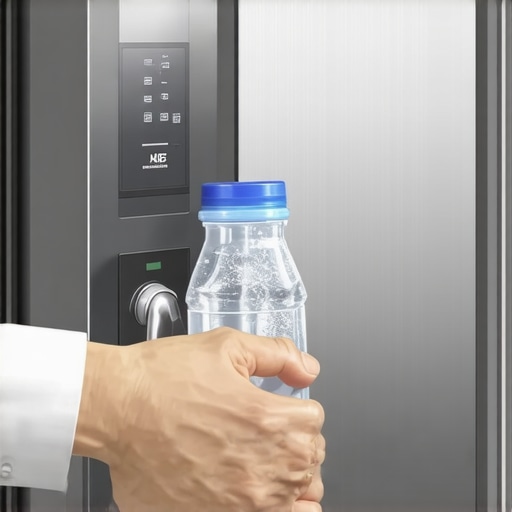
Ever stood by your fridge, expecting a cool rush of water from the dispenser, only to be greeted with a slow drip or no water at all? I’ve been there. One morning, after my kids repeatedly complained about the weak water flow, I finally realized that my refrigerator’s water dispenser was barely sputtering—most of the time, just a tiny drip instead of a steady stream. It was frustrating, especially since I rely on it for quick hydration and filling water bottles in a rush. That lightbulb moment made me dive into troubleshooting, and I discovered how surprisingly common and fixable this problem is.
The Frustration of the Constant Drip
Few things in a busy household are more annoying than a water dispenser that refuses to deliver water properly. It makes you question the fridge’s quality and, worse, its longevity. The issue isn’t just about inconvenience; it’s about whether the water line or dispenser components are malfunctioning or clogged. And shockingly, these problems often stem from simple issues that you can fix yourself, saving you money and hassle.
Is It Really Worth Fixing a Dripping Dispenser?
I used to think that repair costs might be outweighing the benefits, but I made a critical mistake early on—ignoring small signs like slow water flow. According to appliance experts, neglecting these little issues can lead to bigger problems, such as mold growth in the dispenser area or pressure build-up in the water lines. Fixing your dispenser not only restores convenience but can extend the life of your fridge. Curious if your water dispenser can be a quick fix? Trust me, it can.
If your refrigerator’s water dispenser is only dribbling—just a few drops instead of a full glass—you’re not alone. This issue is surprisingly common because of mineral build-up, clogged filters, or air in the water line. The good news is, most of these problems are straightforward to diagnose and fix with a few simple steps. In the upcoming sections, I’ll walk you through how to troubleshoot and effectively fix this frustrating drip, so your water flow flows freely again and your fridge runs smoothly for years to come.
Check the Water Filter first
Begin by locating your water filter, usually inside the fridge or behind the grille. Remove and inspect it; if it’s overdue for replacement, a clogged filter could restrict water flow. I once replaced mine, which was a bit messy, but the difference was immediate—water flowed freely afterward. Replacing a filter is straightforward, and if needed, locate your model-specific guide or buy a new filter to swap in. Remember, a clogged filter is a common culprit behind weak water streams, and maintaining it ensures your system works efficiently.
Inspect for Air Bubbles in the Water Line
Air trapped in the water line can cause sputtering and weak streams. To remove air, dispense about a gallon of water through the dispenser, which pushes the air out. I did this after noticing my water was intermittently slow, and it took about five minutes. If your water line is long or has been recently disconnected, this step is crucial. Purging air is like burping a carbonated drink—let the bubbles escape so water can flow smoothly.
Clear Clogs and Mineral Buildup
Flush the Water Line
Disconnect the water supply from the refrigerator. Attach a syringe or small pump to your water line, and flush with clean water or vinegar to dissolve mineral deposits. I used a turkey baster filled with vinegar, forced it through the line, then rinsed with plain water. This removes deposits that can clog the narrow passage, similar to clearing a blocked pipe. Do this every six months to prevent build-up.
Clean the Dispenser Valve
Locate the valve inside the dispenser mechanism. Use a small brush or pipe cleaner to remove any mineral deposits or debris. I once neglected this step, and water barely dribbled. Cleansing the valve restored proper flow. Be careful not to damage delicate components and always consult your fridge’s manual for access instructions.
Check and Replace the Water Filter
If the filter looks old or discolored, replacing it can make a significant difference. Buy a compatible filter—often, you can find excellent options on appliance parts sites or from your manufacturer. In my case, swapping the filter improved the flow noticeably, especially after a long-term buildup. Note: some fridges have indicators for filter life, so keep an eye on those to prevent flow issues before they start.
Ensure Proper Water Pressure
High or low water pressure from your household supply can impact flow rate. Use a pressure gauge on your home’s water line; ideal pressure is 40-60 psi. If pressure is too low, installing a pressure booster can help. I had to do this when my pressure was below 30 psi, which caused weak dispenser flow. Adjustments may require a plumber, but it’s a vital step if all else checks out.
Final Steps and Testing
After completing these inspections and maintenance, reconnect the water supply and run the dispenser for several minutes. Observe the flow rate—ideally, a steady stream fills your glass quickly. If issues persist, it might be time to contact a professional or consider replacing certain parts, like the inlet valve. Keep in mind, regular maintenance of filters and lines prolongs your refrigerator’s lifespan and keeps your water tasting fresh.
Many homeowners assume that their appliances are straightforward and only need basic maintenance, but this oversimplification can lead to costly mistakes. For instance, a common myth is that newer models are inherently better without considering real-world usage and maintenance nuances. In reality, some ‘advanced’ features, like smart sensors, can cause more harm than good if improperly used or misunderstood. For example, premature replacement of filter systems or disregarding proper calibration can diminish performance and lifespan, contrary to popular belief that upgrading always helps. An often-overlooked detail is the importance of understanding each appliance’s specific cycle and calibration requirements; ignoring this can cause inefficient operation or damage. Plus, many think that regular cleaning alone guarantees longevity, but neglecting internal component check-ups—like grease points or seals—can result in early failures. A crucial trap to avoid is assuming that all home appliances are compatible with smart integrations without ensuring their firmware and network configurations are optimized—otherwise, you risk security vulnerabilities or connectivity issues. As highlighted by industry experts, improper setup or misunderstanding of smart features leads to decreased efficiency and security risks. Therefore, investing time in reading the manual thoroughly or consulting specialized resources, such as the detailed guides at [smart appliance review](https://smartappliancereview.com/ultimate-guide-to-smart-home-appliances-for-a-modern-living), ensures you harness your appliances’ full potential. Don’t fall into the trap of neglecting the nuanced maintenance routines that can substantially extend your appliances’ lifespan and performance.
Maintaining your home appliances, from dishwashers to smart refrigerators, requires the right tools and consistent routines. As technology evolves, leveraging specialized equipment and software ensures your appliances perform optimally and age gracefully. Here’s a deep dive into the tools I rely on and how they help prolong appliance lifespan.
Precision Screwdriver Sets for Quick Repairs
I always keep a high-quality precision screwdriver set handy. Appliances like washing machines and refrigerators often have delicate panels and tiny screws that standard tools can’t handle. I prefer brands like Wiha or Wera because they provide durable, magnetic tips that prevent stripped screws. This allows me to perform routine maintenance, such as replacing door seals on refrigerators or cleaning filters, without damaging components.
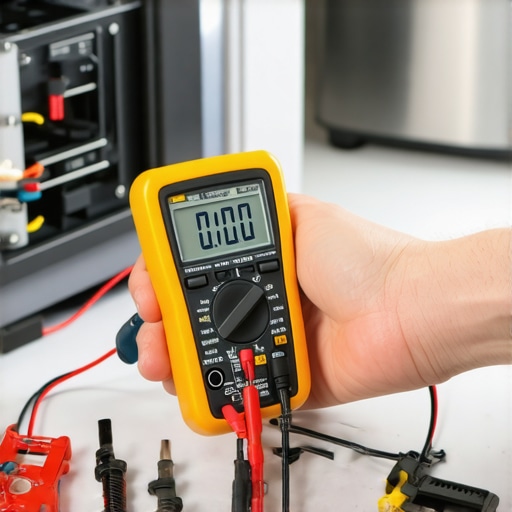
Digital Multimeter for Diagnosing Electrical Issues
Electrical faults are common culprits behind appliances malfunctioning. A reliable digital multimeter helps me quickly identify issues like voltage irregularities or faulty motors. I use the Fluke 117, which provides accurate readings and has auto-ranging features, making it user-friendly even for troubleshooting minor glitches. Regular use of a multimeter can prevent unnecessary part replacements and guide proper repairs, saving time and money.
Water Pressure Gauge for Ensuring Proper Flow
Consistent water flow is vital for refrigerators with ice makers and dishwashers. I use a water pressure gauge to check my household supply, ensuring it stays within optimal ranges (40-60 psi). Maintaining proper pressure prevents issues like leaks or insufficient water intake, which can compromise appliance efficiency. Investing in a good gauge helps me schedule adjustments or call in a plumber before problems escalate.
Smart Diagnostics Apps for Troubleshooting
As smart appliances become more prevalent, software tools play a pivotal role. I utilize manufacturer-specific apps, such as LG ThinQ or Samsung SmartThings, to run diagnostics and update firmware remotely. These apps often provide step-by-step guides for fixing common issues like error codes or connectivity problems, empowering me to troubleshoot without waiting for a technician. Making regular use of these apps ensures my appliances are always aligned with the latest updates and features.
Deep-Cleaning Brushes and Non-Abrasive Cleaners for Longevity
Just as important as measuring tools are cleaning supplies. I opt for non-abrasive brushes and eco-friendly, appliance-specific cleaners to maintain components like dishwasher filters and refrigerator coils. Regular cleaning minimizes buildup and prevents breakdowns. For example, cleaning the drain pump filter in my dishwasher every six months has significantly reduced clogging and odor issues.
Future of Appliance Maintenance and Your Role
Predictions indicate that maintenance will increasingly incorporate smart diagnostics and IoT-enabled tools, making early fault detection more accessible (see future trends). To stay ahead, I recommend investing in a quality multimeter and keeping up with manufacturer app updates. These tools will become indispensable as appliances evolve toward more intelligent systems.
How do I keep my appliances working over time?
The key lies in consistent maintenance routines, using the right tools, and staying informed about new technology. Regularly checking filters, coils, and seals, combined with diagnostic tools, prevents minor issues from escalating. Remember, a proactive approach is your best asset, ensuring your appliances serve efficiently for years to come.
For instance, cleaning refrigerator coils with a specialized vacuum brush not only boosts cooling efficiency but also extends the unit’s lifespan. I suggest trying this simple yet effective maintenance tip to see immediate results.
To explore more about enhancing appliance longevity, visit this comprehensive guide.