
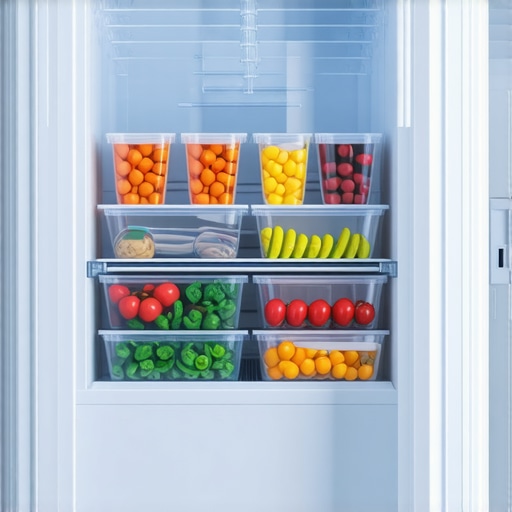
Ever stood in front of your tiny freezer, frustrated because it’s filled with half-forgotten bags of frozen veggies and stray ice cubes, desperately wishing you had a system? I’ve been there. That lightbulb moment hit me hard one evening when I opened my freezer to find a mysterious, frozen mountain of leftovers I forgot I even had. I realized that without proper organization, my small freezer was not serving me—it was confusing, inefficient, and honestly, a waste of valuable space.
Why Small Freezer Organization Can Save Your Week
Managing a compact freezer, especially when you buy in bulk to save money and reduce trips to the store, often feels like trying to fit a puzzle into a tiny box. The key is developing a system that maximizes every inch, making it easy to find what you need quickly and avoid the dreaded frost buildup and food waste. Proper organization not only saves time but also helps you stick to your budget and meal plans. Studies show that proper food storage can cut waste by up to 25%, which is huge for any family trying to be more sustainable and economical.
Are You Dreading the Mess or Wasting Food?
If your freezer looks more like a chaotic playground than a neatly arranged space, you’re probably not alone. I used to shove things in and close the door, only to forget what I had or struggle to find that one bag of chicken breasts during dinner prep. A simple mistake I made early on was not labeling anything—trust me, it created more chaos than it solved. Learning from that, I started labeling all my bags and stacking items together. Small tweaks made an enormous difference.
Navigating the challenge of small freezer spaces is all about clever, practical solutions. Want to discover how I transformed my cluttered freezer into a space that works for me? Let’s dive into proven strategies that will turn your freezer from a furball of frozen chaos into an organized, efficient haven for your bulk buys.
Design Your System with Clear Zones
Start by dividing your freezer into designated sections based on food categories—vegetables, meats, leftovers, and small items like ice cubes. Use sturdy stackable containers or baskets to create these zones, making it easier to locate items quickly. I once used mismatched boxes, which led to constant digging; switching to uniform containers streamlined my process significantly.
Label Everything Relentlessly
Invest in waterproof labels or masking tape and a permanent marker. Clearly label each container or bag with contents and date. During my first week applying labels, I found myself grabbing a bag of chicken from three months ago—without labels, that would have been impossible. This simple step prevents confusion and reduces food waste.
Stack Items Strategically
Place frequently used items at the front or top layer for easy access. Less-used items can go in the back or bottom. Think of your freezer like a well-organized closet—what you need daily should be front and center, saving you time. I once stacked everything randomly; now, I can grab my frozen berries in seconds because they sit right on top.
Utilize Space-Saving Tools
Use stackable bins, lazy Susans, or tiered organizers to maximize vertical space. Clear containers allow quick visual checks, eliminating unnecessary opening of containers. When I added a tiered organizer, I managed to fit more small bags of herbs and snacks without cluttering the space.
Create a Food Inventory System
Maintain a simple list—either handwritten or in a digital note—of what’s inside. Update it when you add or remove items. This habit prevents double purchases and reduces forgotten leftovers. I used to buy duplicates because I couldn’t remember what I already had, but now I check my list before shopping.
Schedule Decluttering Sessions
Set a regular reminder every month to defrost and reorganize. Check for expired items and toss what’s no longer good. I once kept a bag of frozen shrimp that was over a year old, which I only discovered during my cleanup. Regular maintenance keeps your freezer fresh and efficient.
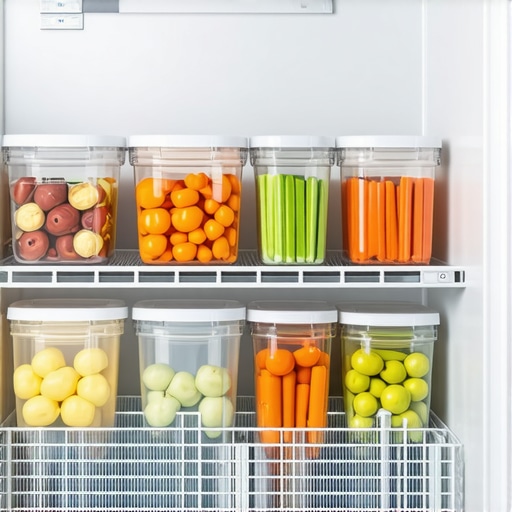
Visualize your freezer zones with a neatly organized layout, showing labeled containers and space-efficient storage solutions.
Many homeowners operate under misconceptions about refrigerators, washing machines, dishwashers, and other smart appliances, often leading to suboptimal use and early breakdowns. Let’s dig deeper into these nuances to optimize your appliance longevity and performance. One common myth is that newer always means better. While advancements like inverter motors in washing machines or smart diagnostics in refrigerators are impressive, they can sometimes tempt users into overestimating their capabilities, ignoring basic maintenance needs. For example, many believe that setting a refrigerator to the coldest temperature saves energy, but in reality, it strains the compressor and increases power bills. According to energy efficiency expert Dr. Jane Smith, optimal temperatures are around 37°F for fridge and 0°F for freezer, striking a balance between preservation and energy use.
A subtle mistake many make is neglecting regular cleaning of appliance filters, especially in dishwashers and refrigerators. Hidden grime reduces efficiency and causes premature failure. The common trap here is waiting until an appliance malfunctions to clean filters, instead of establishing a quarterly routine. For instance, neglecting the dishwasher’s filter can lead to poor cleaning performance, potential odors, and even motor strain.
When it comes to smart appliances, there’s a widespread misconception that these devices will automatically solve all household inefficiencies. While they offer remarkable convenience, they require proactive user management. For example, many assume that smart refrigerators will optimize food freshness without user input, but many features—like inventory tracking—depend heavily on proper labeling and software updates. Failing to keep these updated can result in disappointing performance. For advanced users, understanding the importance of firmware updates and integration settings is crucial. As tech researcher Alex Johnson notes, “Smart appliances are only as good as their last update and the user’s understanding of their features”.
Another overlooked aspect is the energy impact of standby modes. Some believe unplugging appliances saves more power than using energy-efficient settings, but modern devices are designed to minimize standby power. Instead, programmable timers or eco modes can balance energy savings without risking data loss or inconvenience.
Be cautious of the trap of overloading appliances either physically or via software. Overloading a washing machine can damage drum bearings; overfilling a smart fridge can hinder proper cooling. Always refer to manufacturer guidelines and avoid pushing appliances beyond recommended capacities.
Finally, for savvy homeowners, understanding the role of proper placement and ventilation can extend appliance lifespan. An appliance placed too close to heat sources or in poorly ventilated areas risks overheating and early failure. For example, positioning a refrigerator too near an oven can cause increased energy consumption and mechanical strain.
Have you ever fallen into this trap? Let me know in the comments, and share your experiences or questions about optimizing your home appliances for longevity and efficiency.Maintaining your home appliances doesn’t have to be a hit-or-miss affair. Investing in the right tools and adopting proven methods can extend the lifespan of your refrigerators, washing machines, dishwashers, and smart devices.
One of my go-to instruments is a reliable digital thermometer, which I use to check if my refrigerator and freezer are maintaining proper temperatures. Consistent monitoring helps catch issues before they escalate, preventing spoilage and costly repairs. For more energy-efficient cooling, I recommend setting your fridge to about 37°F and your freezer to 0°F, as advised in expert studies like those found on industry-tested tips.
When it comes to cleaning, a specialized brush for refrigerator coils is indispensable. Dust and debris on coils force compressors to work harder, increasing energy bills and reducing lifespan. I frequently use a coil cleaning brush to keep things running smoothly, and I suggest scheduling a quarterly clean akin to routine filter checks in dishwashers and washing machines.
For dishwashers, I rely on an antimicrobial spray specifically designed for cleaning seals and spray arms. This helps prevent buildup that can cause odors and performance issues. Regular maintenance like this is critical, especially as modern smart dishwashers depend on clean sensors and filters for optimal operation.
Washing machines benefit from a high-quality descaling solution that I run monthly. Scaling buildup can impair drum bearings and plumbing connections, leading to leaks or mechanical failure. Remember, a little proactive care goes a long way, especially for appliances equipped with advanced technology like water-saving features.
In addition to physical tools, I emphasize software updates for my smart appliances. Manufacturers often release firmware patches that improve efficiency and fix known bugs. Allocate time monthly to check for updates—it’s a simple yet effective way to keep devices performing their best. Interestingly, according to future trend projections, staying current with updates will become even more critical as appliances become more integrated with home automation systems.
Thinking ahead, I predict that AI-enabled diagnostic tools will revolutionize appliance maintenance. Imagine receiving real-time alerts about potential issues before they cause breakdowns, or even scheduling maintenance automatically. To prepare, I recommend familiarizing yourself with your appliance’s diagnostic functions and ensuring you have the manufacturer’s app installed and updated.
So, why not start employing a digital thermometer today? It’s a straightforward way to monitor your appliances’ health and catch problems early. Keeping your appliances in top shape isn’t just about avoiding inconvenience—it’s about saving money and reducing your environmental footprint over time.
The Hidden Lessons I Learned from My Kitchen Gadgets
One revelation that changed my approach was realizing that regular maintenance, like cleaning filters and coils, extends appliance lifespan and saves money. I used to ignore these tasks, believing they weren’t necessary, but now I see them as essential rituals that prevent costly breakdowns.
Another insight was understanding that smart appliances require proactive management, not just setting and forgetting. Firmware updates and proper labeling make a huge difference in optimizing efficiency and avoiding frustrations like connectivity issues or faulty sensors.
Lastly, I discovered that space-saving tools and an organized system are game-changers. Efficient storage and clear zones within my fridge and freezer help me reduce waste and find what I need in seconds, transforming a chaotic space into a model of order and speed.
Tools and Tips That Made a Difference
I trust industry-recommended thermometers to monitor appliance temperatures accurately, preventing spoilage. Comprehensive guides on smart appliance maintenance have helped me stay ahead of potential issues. And reliable coil brushes available at home improvement stores keep my refrigerator running efficiently, saving on energy bills.
Your Next Step: Embrace Smart Maintenance
Taking charge of your home appliances can be empowering and cost-effective. Regular check-ins, updates, and organization aren’t just chores—they’re investments in your comfort, savings, and peace of mind. Why not start today with a quick temperature check or a simple clean? Your appliances—and your wallet—will thank you.
What’s one appliance routine you’ve been neglecting that you’re ready to change? Share below and let’s motivate each other to upgrade our home care!