
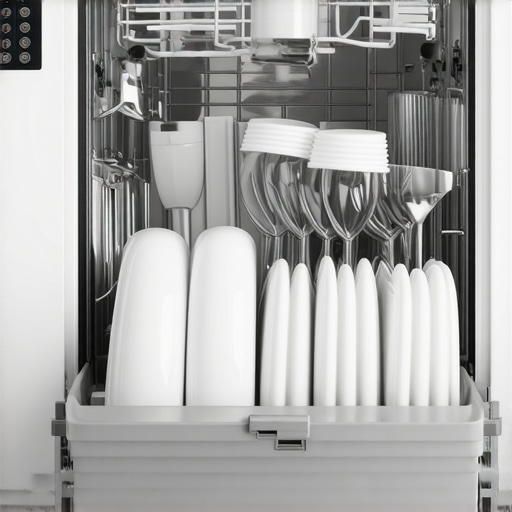
I remember the first time I crammed dishes into my dishwasher, thinking I was being efficient. Big mistake. Instead of saving water and energy, I ended up with grimy glasses and a frustrating pile of rewashed items. It was a lightbulb moment that taught me: the way you use your dishwasher matters more than you think. If you’ve ever wondered whether running a half-load cycle is worth it or just a waste of time, you’re not alone. Many homeowners struggle to maximize their appliances without wasting resources or ending up with subpar results.
The Real Deal About Half-Load Cycles and When to Use Them
Using your dishwasher’s half-load setting can be a game-changer—if you do it right. I’ve learned that this feature isn’t just a way to save energy; it’s about being smart with your water, detergent, and electricity, especially when your load isn’t full. But it’s easy to fall into the trap of overusing it, thinking it’s equally effective as a full cycle. Early on, I made the mistake of running half-loads with heavy pots and pans, assuming the cycle would handle it. Turns out, that’s a recipe for poorly cleaned dishes and potential appliance wear. Understanding the optimal way to utilize this setting can drastically improve your results and lower your utility bills. According to a 2025 industry report, smart appliance features like half-load cycles can reduce water consumption by up to 30%—a real win for eco-conscious households. Ready to ditch the guesswork? Let’s explore how to make the most of this feature without sabotaging your wash.
Is Half-Load Cycle Really Worth the Hype?
I used to think that running smaller loads saved me time and resources, but I quickly realized that improper usage often led to more re-washes and wasted detergent. I once neglected to adjust my water temperature, thinking standard settings would suffice, only to find some dishes still dirty. Trust me, even small mistakes can negate the benefits of your dishwasher’s smart features. Want to learn how to avoid these pitfalls and ensure every cycle delivers sparkling results? Keep reading, because I’ve compiled practical tips and insights to help you get it right every time. Need personalized advice? Feel free to reach out here.
Maximize Efficiency with Precise Load Management
When loading your dishwasher for a half-cycle, think of it like packing a suitcase: every item needs to be positioned to maximize space and accessibility. I once crammed a few coffee mugs and a frying pan into my dishwasher, hoping to save time, but the result was still some stubborn stains and residual soap. To avoid this, first separate your heavily soiled items from lighter ones. Place larger items like pots and pans on the bottom rack, ensuring they don’t block the spray arms. Smaller, delicate dishes go on the top, but always check clearance to prevent blocking the water flow. Proper arrangement ensures all items get a thorough wash, especially in half loads.
Adjust Settings for Optimal Cleaning
Don’t rely solely on the default settings. For half-loads, select the appropriate cycle like ‘Delicate’ or ‘Eco’ to save resources. I learned that increasing the water temperature slightly improved cleaning performance on my greasy pans without wasting additional energy. If your dishwasher has a ‘Power-Scour’ or high-pressure option, use it for stubborn stains. Also, consider pre-rinsing heavily soiled dishes—this isn’t about skipping a step but about preparing for effective cleaning in less water and time. Experiment with these adjustments to find the balance between clean dishes and resource conservation.
Use Smart Features to Your Advantage
If your appliance offers smart sensors or a reminder system, leverage them. For example, some dishwashers detect soil levels and adapt water intensity accordingly, which is perfect for half-loads. When I connected my dishwasher to the app, I received notifications if I needed to add more detergent or if the filter required cleaning, ensuring consistent performance. Also, consider activating energy-saving modes or delay-start options during off-peak hours to reduce utility costs. These features are like having a personal assistant, making sure every cycle is tailored for efficiency without sacrificing cleanliness.
Maintain Your Appliance for Better Results
Regular maintenance is essential. Clean the spray arms monthly to prevent clogging from mineral deposits or debris—think of it as cleaning your car’s filters to keep performance optimal. Check the filters and remove any trapped food particles, a simple step I often overlooked, which caused my dishes to come out dingy. I also started using rinse aids designed for half-loads, which helped reduce water spots on glasses. Keeping your dishwasher in top shape ensures that each cycle, full or half, delivers the sparkling results you desire, saving you time and detergent in the long run.
Optimize Loading for Best Outcomes
Always load dishes with water flow in mind; avoid overcrowding, which can block spray nozzles. Use the racks and adjustable tines to create space and prevent items from nesting. For instance, I once placed a plastic container too close to the sprayer arm, which reduced cleaning effectiveness at that spot. By adjusting the racks and spacing items evenly, you allow the water and detergent to reach all surfaces. A well-organized load makes a significant difference in cleaning quality and cycle efficiency.
While most homeowners believe they fully understand their washing machines, smart appliances, dishwashers, refrigerators, and other home gadgets, there’s often a sneaky nuance they overlook. One common misconception is that newer, high-tech features automatically guarantee optimal performance. However, relying solely on the latest innovations without understanding their limitations can lead to underwhelming results and increased frustration. For example, many assume that smart cycles will perfectly handle all load types, but overuse of default settings or neglecting proper maintenance can diminish their effectiveness.
An important warning is that some consumers underestimate how crucial regular upkeep is, especially with smart appliances that depend on sensor accuracy. Dirty filters, clogged spray arms, or outdated software can cause these devices to underperform, despite their advanced features. A study by industry experts emphasizes that neglecting routine cleaning and firmware updates often leads to resource wastage and subpar cleaning or cooling outcomes. Therefore, understanding the maintenance nuances is essential for maximizing investment in home appliances.
What’s the most overlooked aspect that impacts smart appliance performance?
Many people forget that proper installation plays a pivotal role in appliance longevity and efficiency. Incorrect leveling of washing machines can cause vibration damage, and misaligned refrigerator doors can lead to energy leaks. Even the most sophisticated device can’t compensate for improper setup or neglect of routine calibration. For example, a refrigerator’s climate control depends heavily on a tight door seal and correct placement, or else it works harder and consumes more electricity. Recognizing these often ignored details can save significant money and extend the lifespan of your appliances.
To dive deeper into advanced appliance care, I recommend reading about smart features trending in 2025, which highlight how future innovations will require even more diligent management. If you’re aiming for a truly modern and efficient kitchen, make sure your appliances aren’t just bought for their features but are also well-maintained and installed correctly. Need personalized advice? Feel free to reach out here.
Remember, mastering your home appliances isn’t just about buying the latest tech—it’s about understanding and optimizing their hidden nuances. Have you ever fallen into this trap? Let me know in the comments.
Tools I Recommend for Long-Term Appliance Care
To ensure your appliances stay efficient and reliable over the years, investing in the right tools is crucial. I personally swear by a high-quality digital multimeter, such as the Fluke 117, which helps me troubleshoot electrical issues in washers, refrigerators, and dishwashers without guesswork. Additionally, a flexible, long-reach spray nozzle and a microfiber cloth are indispensable for cleaning hard-to-reach areas like spray arms or condenser coils, greatly extending their lifespan. For delicate parts, I rely on ultrasonic cleaning devices to remove mineral build-up without harsh chemicals, improving performance and hygiene. Using these tools regularly allows for early detection of problems, saving money and preventing minor faults from becoming costly repairs.
Software and Apps That Simplify Maintenance
Smart appliances are revolutionizing home care with intuitive software. I recommend integrating a dedicated maintenance app like ‘SmartHome Monitor,’ which tracks your appliances’ performance and schedules alerts for filter replacements, software updates, or calibration needs. For example, my smart refrigerator uses its companion app to notify me when the door seal needs cleaning or repair, preventing energy wastage. Firmware updates delivered through these apps can also fix bugs and optimize functions, ensuring your appliances adapt to changing conditions over time. Keeping software up to date is crucial—an outdated firmware can cause inefficiencies, akin to how industry leaders like LG emphasize in their appliance care guidelines.
Mastering Routine Checks: Extending Appliance Life
Regular inspection is the backbone of appliance maintenance. I set monthly reminders to clean filters, inspect hoses, and check for corrosion. For washing machines, I run diagnostic cycles using manufacturer-specific test modes—most machines have a hidden diagnostic menu accessible via button combinations (see how to clean the filter in your washing machine for detailed steps). Such routine checks can unveil issues like worn belts or mineral deposits before they lead to breakdowns. Investing in a digital leak detector like the WINT FreshSense helps identify hidden leaks or humidity buildup that could damage your appliances. Making these practices a habit not only prolongs device lifespan but also keeps your home running smoothly.
Planning for Appliance Scaling and Upgrades
As your household grows or your needs evolve, scaling your home setup becomes necessary. When considering an upgrade, focus on appliances with modular components, such as refrigerators with removable door seals or dishwashers with customizable racks. Modern smart appliances, like the innovative dishwashers with AI technology (see this guide), are designed for easy maintenance and upgrades. Future-proof your investments by choosing models that support firmware updates and remote diagnostic tools, ensuring your appliance remains efficient for years. This approach not only saves money but also minimizes your environmental impact by reducing waste through longer product lifespans.
How do I maintain my appliances over time?
Consistent routine checks, using the right diagnostic tools, staying current with firmware updates, and scheduling preventive maintenance are key. For more detailed tips and access to expert advice, consider reaching out via our contact page. By taking proactive steps today, you’re setting your home up for reliability and energy efficiency tomorrow. Try integrating a smart diagnostic app or schedule a monthly filter cleaning session—small steps that make a big difference in your appliance’s lifespan.
What No One Tells You About Managing Your Appliances
Over the years, I’ve learned that the biggest improvements in appliance performance come not just from buying the latest tech but from understanding their quirks and limitations. One lightbulb moment was realizing that regular maintenance and proper installation can significantly boost efficiency, saving time, money, and frustration.
Another lesson is that smart features are only as good as the user’s knowledge. Relying solely on default settings without customizing them often leads to subpar results. Properly adjusting load sizes, cycle options, and temperatures can make a dramatic difference—something I only discovered after many trial-and-error cycles.
Beyond that, I’ve come to appreciate the importance of routine checks and firmware updates. Keeping devices clean and software current isn’t exciting, but it ensures your appliances run smoothly and extend their lifespan, ultimately delivering better value and peace of mind.
My Arsenal for Long-Term Appliance Success
For dependable appliance care, I trust the Fluke 117 digital multimeter; it helps diagnose issues early without guesswork. A microfiber cloth and a flexible spray nozzle are essential for regular cleaning, ensuring components like spray arms and condenser coils stay free of deposits. Ultrasonic cleaning devices have also become invaluable for maintaining delicate parts without harsh chemicals, preserving performance over time. These tools empower me to troubleshoot and maintain my appliances proactively, saving money and avoiding inconvenience.
To stay ahead of maintenance needs, I use dedicated apps like ‘SmartHome Monitor’ which alert me about filter replacements or software updates. Firmware updates delivered through these apps often include performance improvements and bug fixes, ensuring my appliances stay aligned with the latest features. Staying connected to these digital health checks makes managing my home appliances less of a chore and more of a strategic advantage.
Here’s My Final Nudge to Embrace Smarter Living
If you’re serious about optimizing your home appliances, investing time in understanding their finer points is priceless. Regular maintenance, customized settings, and proactive troubleshooting can elevate your appliance experience from frustration to delight. The future of home living is smarter, but it still requires your vigilant care to truly shine—so get curious, experiment, and take charge of your home environment today.
What’s one simple improvement you plan to try with your appliances after reading this? Drop your thoughts below; I’d love to hear how you’re making your smart home more efficient!
,